Inspect power supplies, caps, keys and pots before buying vintage synths
Inspect power supplies, caps, keys and pots before buying a vintage synth to avoid persistent failures and costly repairs.
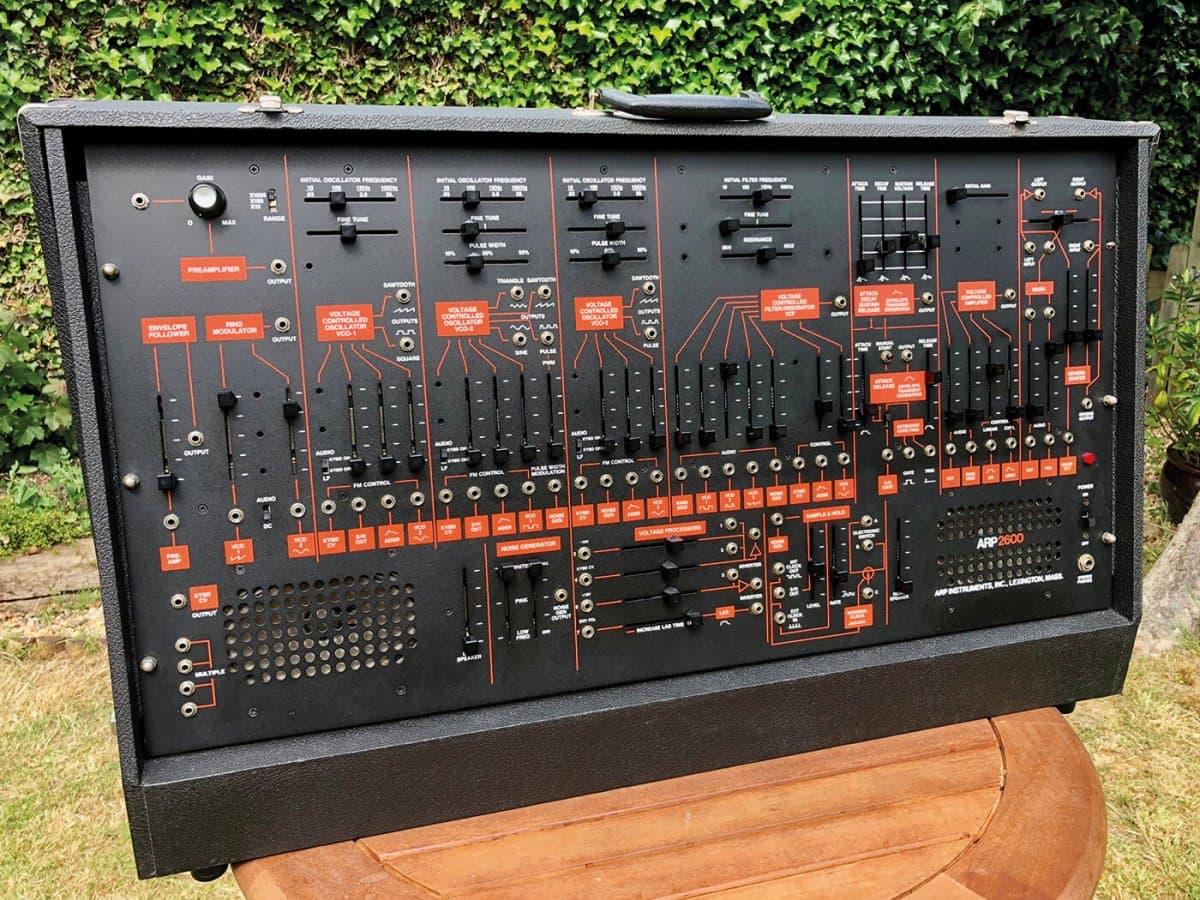
Vintage synths are irresistible, but the electronics and wear items decide whether a purchase becomes a long-term player or a recurring headache. The power supply and electrolytic capacitors, corroded sliders, worn keybeds and sticky pots are the most common showstoppers; check them in photos or in person and insist on specifics from the seller before you hand over cash.
Start with the power system. The power supply is the foundation of a synth; without a working one, a synth is "basically untuneable, and unuseable." Ask whether the PSU was rebuilt or reconditioned and whether electrolytic capacitors were replaced or tested. A unit marketed as "mint" or "fully serviced" that has not had power-supply work is a red flag.
Next, inspect cosmetics that signal deeper problems. Look for obvious corrosion, torn wiring or hacked electrics around jacks, connectors and internal chassis seams. Examine the keybed for play, broken bushings or dirty bus bars; if the seller claims a recent service, ask whether keyboard bus bars and bushings were addressed, because unserviced key mechanics will keep you chasing tuning and response problems.
Pots, knobs and sliders deserve close attention. Sticky or cracked pots can degrade sound and playability; contact corrosion on sliders is common and often masked in seller photos. Rob C of New England Analog lays out what true slider servicing involves: "This is to physically remove and disassemble the sliders, then clean out the crud, buff and polish the metal pieces, lubricate, then reassemble. It's a tedious chore that will take a pro 5-10 minutes per slider." If a seller says sliders were serviced, ask who did the work and when.
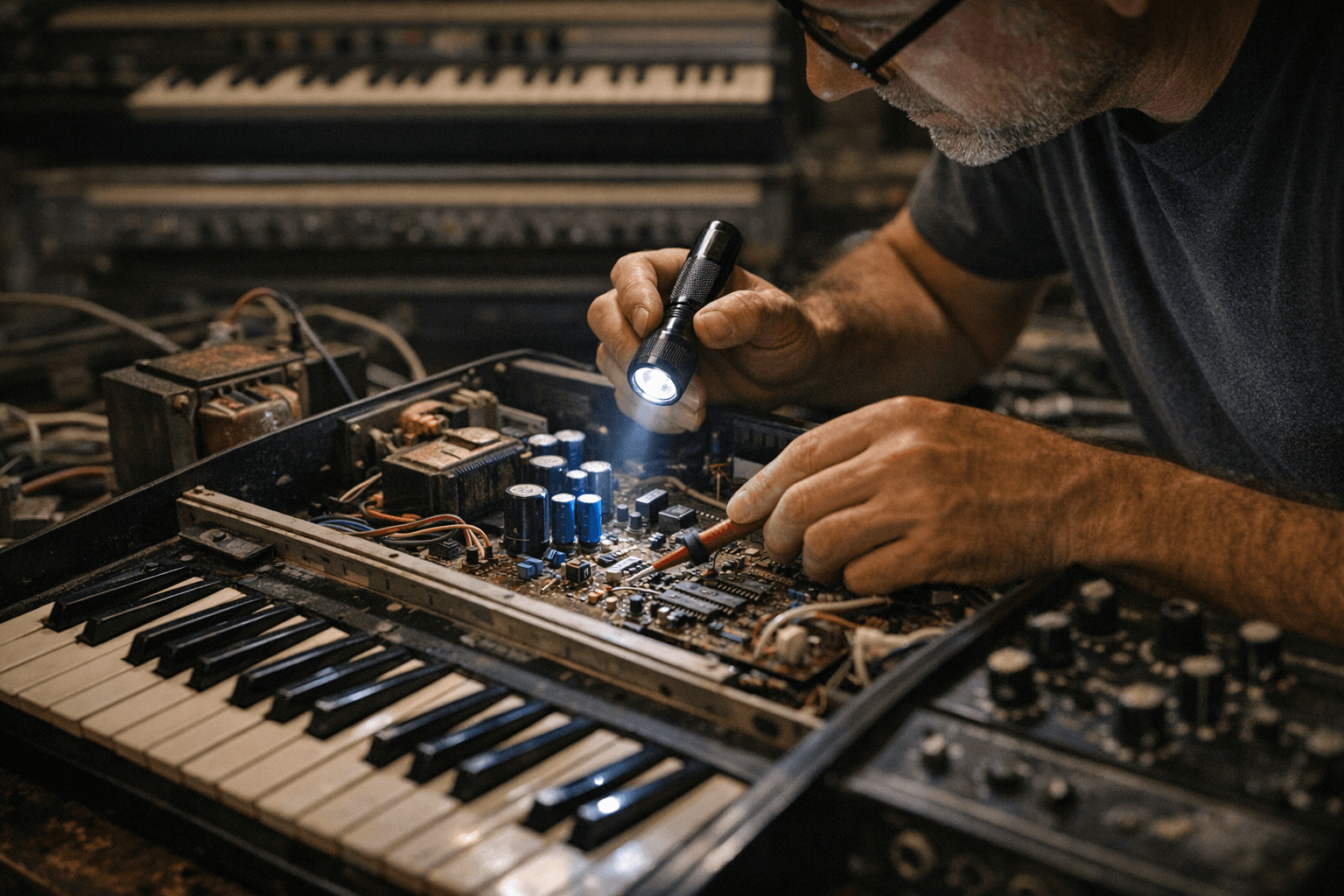
Model-specific pitfalls matter. Research the synth's Achilles heels before you buy. The Juno 106 has notorious filter-chip issues, and Roland PolySix units can "go haywire from battery leakage." Complex beasts like the Memorymoog and Rhodes Chroma commonly demand substantial up-front investment; expect to budget "hundreds of dollars" to stabilise them, or face a cycle of repeated tuning and sales. On the other hand, properly fixed instruments can be stable for years: one owner wrote, "I got my P5r3 fixed in 2015 and have had no issues since."
Vet seller claims closely. As Rob C warns, "Beware of the 'fully serviced' synth where the owner can't list any of the work done. Beware of the word 'mint'. In all of the years doing this, I have yet to see that. Hundreds of these synths have passed through my shop." Ask precise questions - what parts were replaced, who performed the work, and when - and get a chance to try the instrument, testing tuning stability and all key sections.
Decide on a servicing strategy before purchase. Some buyers pay to fix everything up front and rarely revisit the work. Others fix only current failures and live with known idiosyncrasies. Either way, set a realistic budget, confirm you have space and a use for the instrument, and do the model research so GAS doesn’t outpace sense. Bottom line: go in "with your eyes wide open" and you’ll turn a risky buy into a playable, lasting piece of gear.
Know something we missed? Have a correction or additional information?
Submit a Tip