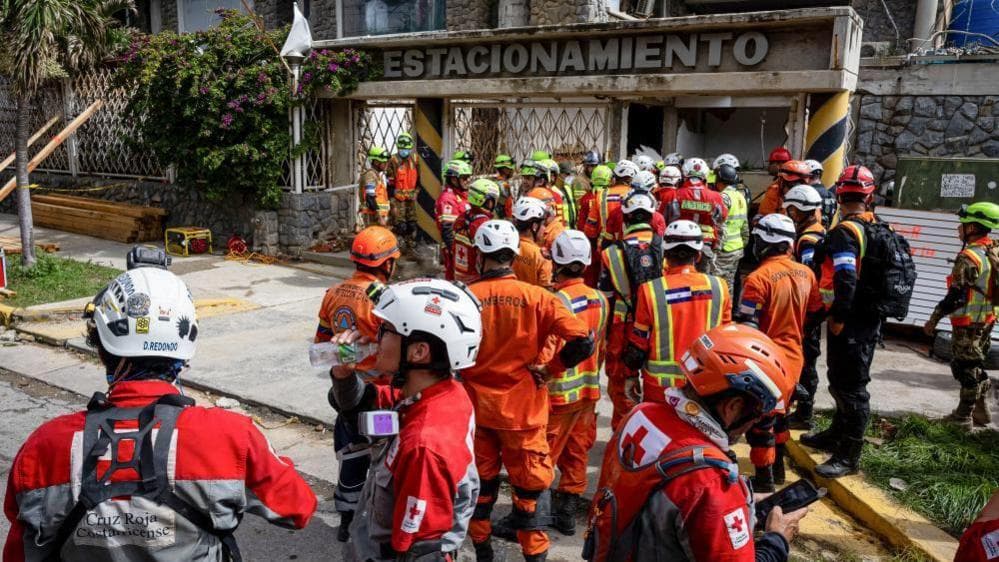
Insurgents launch coordinated attacks near Mali capital, government says contained
Gunmen and Tuareg rebels hit Kati, the airport area and sites beyond Bamako in synchronized raids, exposing how close Mali’s security crisis is to the capital.
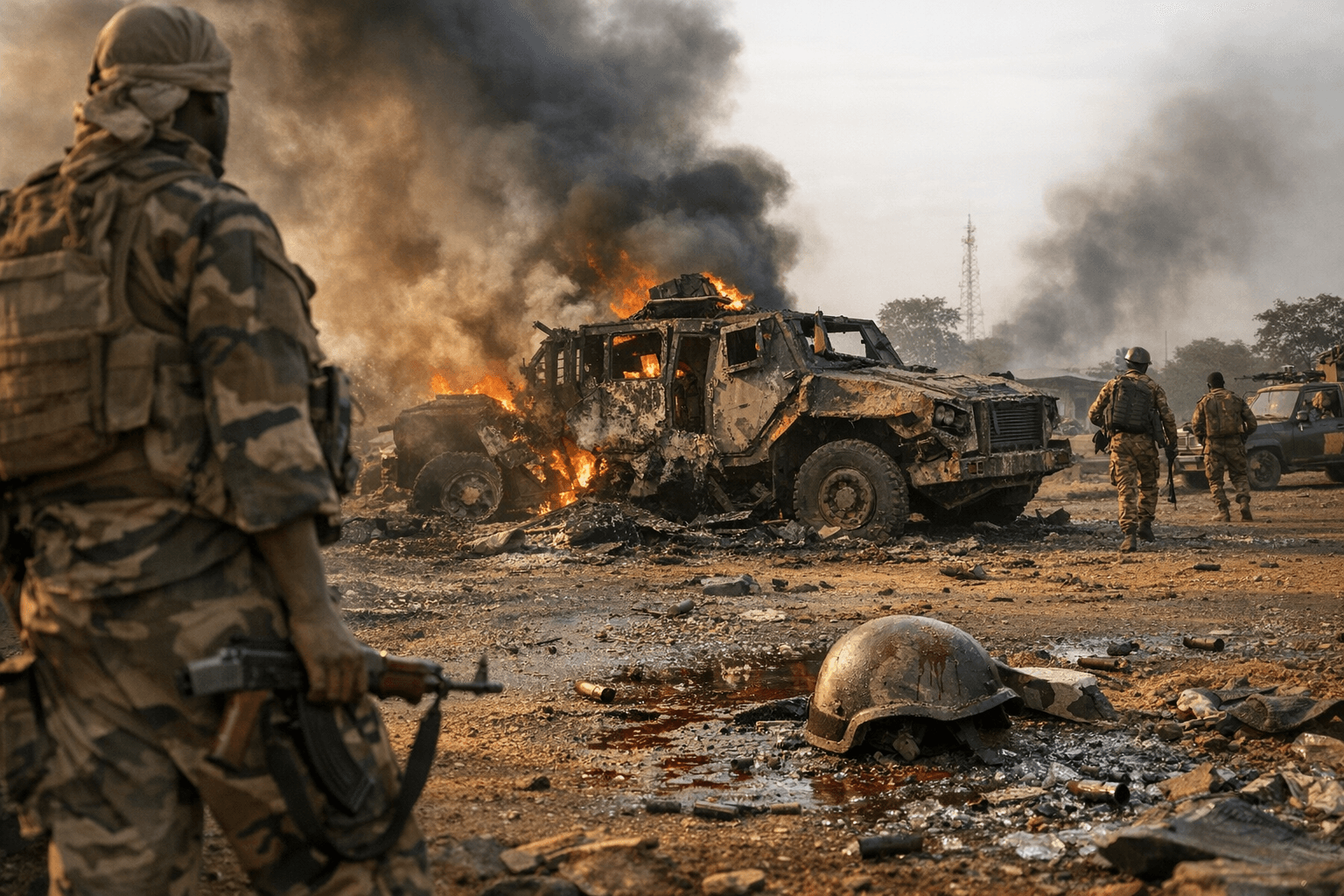
Coordinated assaults across Mali on Saturday rattled the military-led government and exposed how far insurgents can still reach, even as authorities said they had contained the violence near Bamako and beyond. Mali’s army said it killed several hundred assailants and repelled the offensive, while government spokesman Issa Ousmane Coulibaly said 16 people were injured, including civilians and military personnel.
The attacks struck multiple sites in or near the capital, including Kati and the area around Modibo Keïta International Airport. A UN security note described them as “simultaneous complex attacks” in Kati, near the airport, and in Mopti, Gao and Kidal. Residents in Kati and near the airport reported gunfire, explosions and helicopter patrols as security forces swept through the area. Kati carries particular weight: it is home to Mali’s main military base and the residence of junta leader Assimi Goita.
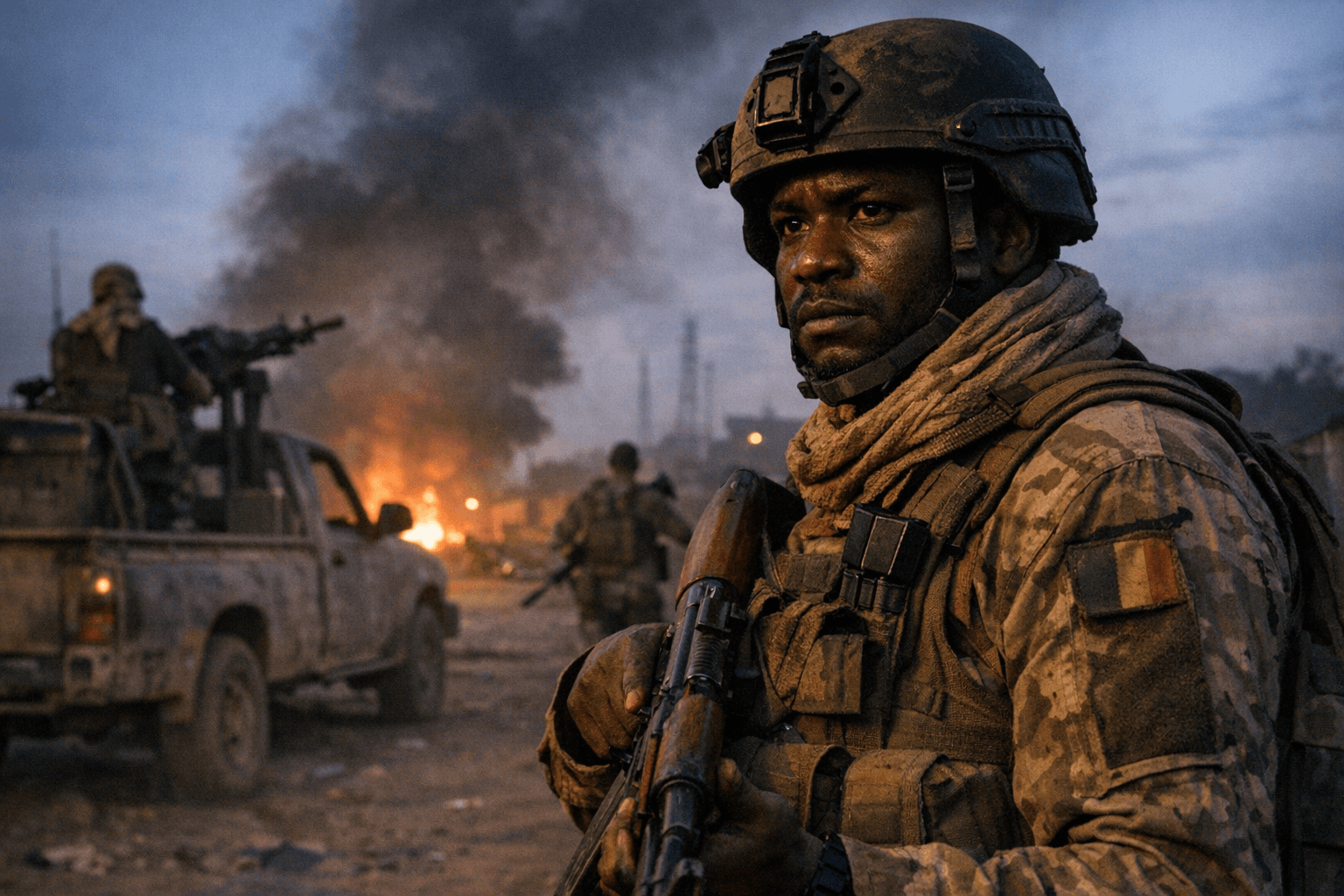
Responsibility claims underscored the breadth of Mali’s fractured conflict. Jama’at Nusrat al-Islam wal-Muslimin, the al Qaeda-linked coalition active across the Sahel, and the Azawad Liberation Front both claimed roles in the offensive. Some reporting said the groups acted jointly, a reminder that Mali’s security challenge now blends jihadist violence with Tuareg-led separatist pressure, complicating the government’s response and widening the front it must defend.
The scale and coordination of the assault also revived questions about whether military rule has improved security or merely shifted the battlefield closer to the center of power. Since taking control, the junta has promised to restore order, yet Saturday’s attacks showed that insurgents can still organize synchronized strikes against strategic targets in and around the capital. For a country that depends heavily on gold exports, insecurity around Bamako, Kati and transport corridors carries direct economic risk, from disrupted movement to shaken investor confidence.
International reaction was swift. The U.S. Embassy in Bamako told American citizens to shelter in place after reports of explosions and gunfire near Kati and the airport. The African Union condemned the attacks as endangering civilians, and the Organisation of Islamic Cooperation and the U.S. Bureau of African Affairs also condemned the violence. Even after the army said it had reasserted control, the episode left one message clear: in Mali, the state can still be tested at its core, and the militants know it.
This article was produced by Prism’s automated news system from verified source data, official records, and press releases, then run through automated quality and moderation checks before publishing. The system is built and supervised by the people who set the standards it runs under. Read our full AI policy.
Did this article answer your question?