Intel beats forecast, raises spending plans as AI demand surges
Intel topped forecasts and lifted spending plans, betting AI data center demand can turn a 59% server surge into a lasting comeback.
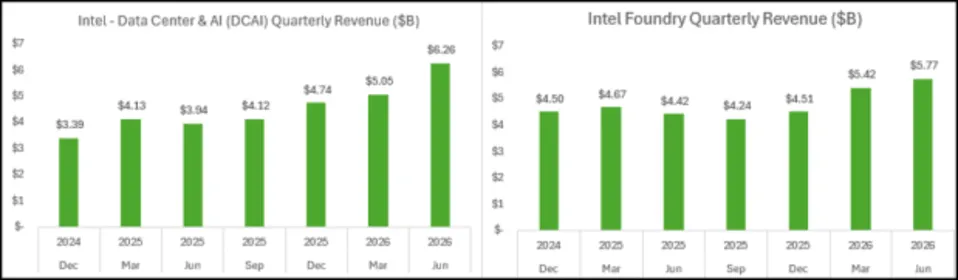
Intel forecast quarterly profit and revenue above Wall Street expectations on July 23 and said it would increase spending over the next two years as AI data center construction keeps demand for chips rising. The guidance sent its shares up 5.2% in after-hours trading and gave a sharper view of a company trying to turn AI demand into a credible rebound rather than a one-quarter bounce.
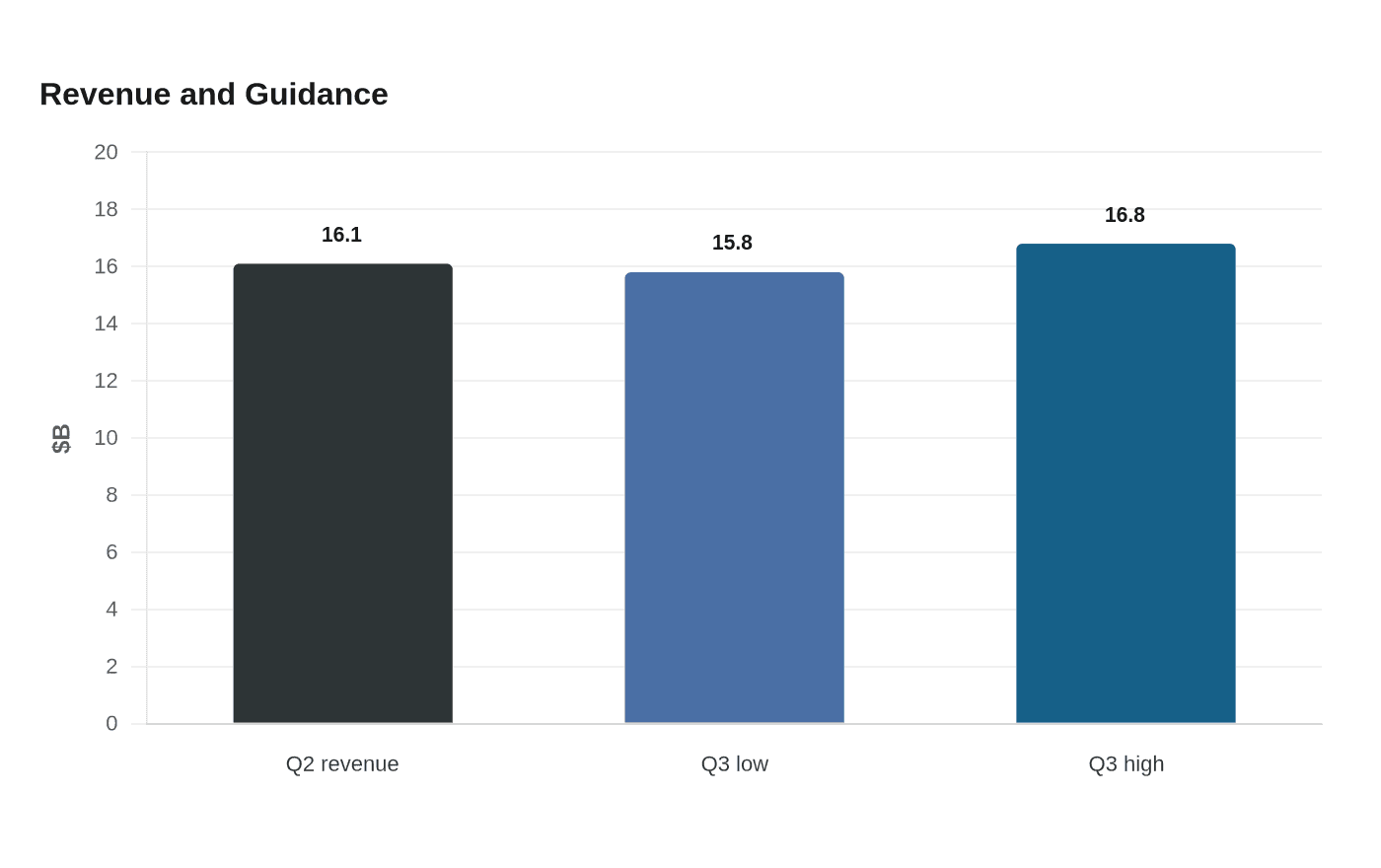
The numbers behind the outlook were stronger than investors had expected. Intel said second-quarter revenue reached $16.1 billion, or $1.8 billion above the midpoint of its own guidance, while its data center server business grew 59% from a year earlier on AI-related demand. The company also projected third-quarter revenue of about $15.8 billion to $16.8 billion, a range that signaled management sees momentum carrying into the next period.
That strength has been visible in parts of the business that matter most to the AI buildout. In April, demand from AI service providers was strong enough that Intel sold some chips it had previously written off, a sign that older inventory was still finding a market as cloud operators and data center customers scrambled for capacity. The latest outlook suggests that demand is still broad enough for Intel to justify a larger capital program, with multiple reports tying its 2026 capital expenditure plans to more than $20 billion.

The spending push is the key test of Intel’s strategy. More capital can support new manufacturing, packaging and server-chip capacity, but it also locks in pressure on returns at a time when investors are watching semiconductor discipline closely. Nvidia still sets the pace in AI accelerators, and Intel remains the company trying to win a place in the surrounding infrastructure, especially the central processors and server systems that feed AI workloads.
Market reaction showed how much the forecast beat mattered. CNBC said Intel’s stock jumped 11% and described the company as posting its fastest revenue growth in almost 15 years. Even without that extra lift, the after-hours gain was enough to show that traders saw more than a simple beat. They saw evidence that Intel’s AI exposure is beginning to translate into sales, and that the company is willing to spend aggressively to keep up.
The next question is whether those investments deliver enough scale to narrow the gap with faster-moving rivals, or whether Intel is simply paying more to stay in the race.
This article was produced by Prism’s automated news system from verified source data, official records, and press releases, then run through automated quality and moderation checks before publishing. The system is built and supervised by the people who set the standards it runs under. Read our full AI policy.
Did this article answer your question?