Verizon signs more than $1 billion Google deal for fiber connectivity
Verizon locked in a more than $1 billion Google fiber pact, a sign that telecom networks are being tied more tightly to cloud and AI infrastructure.
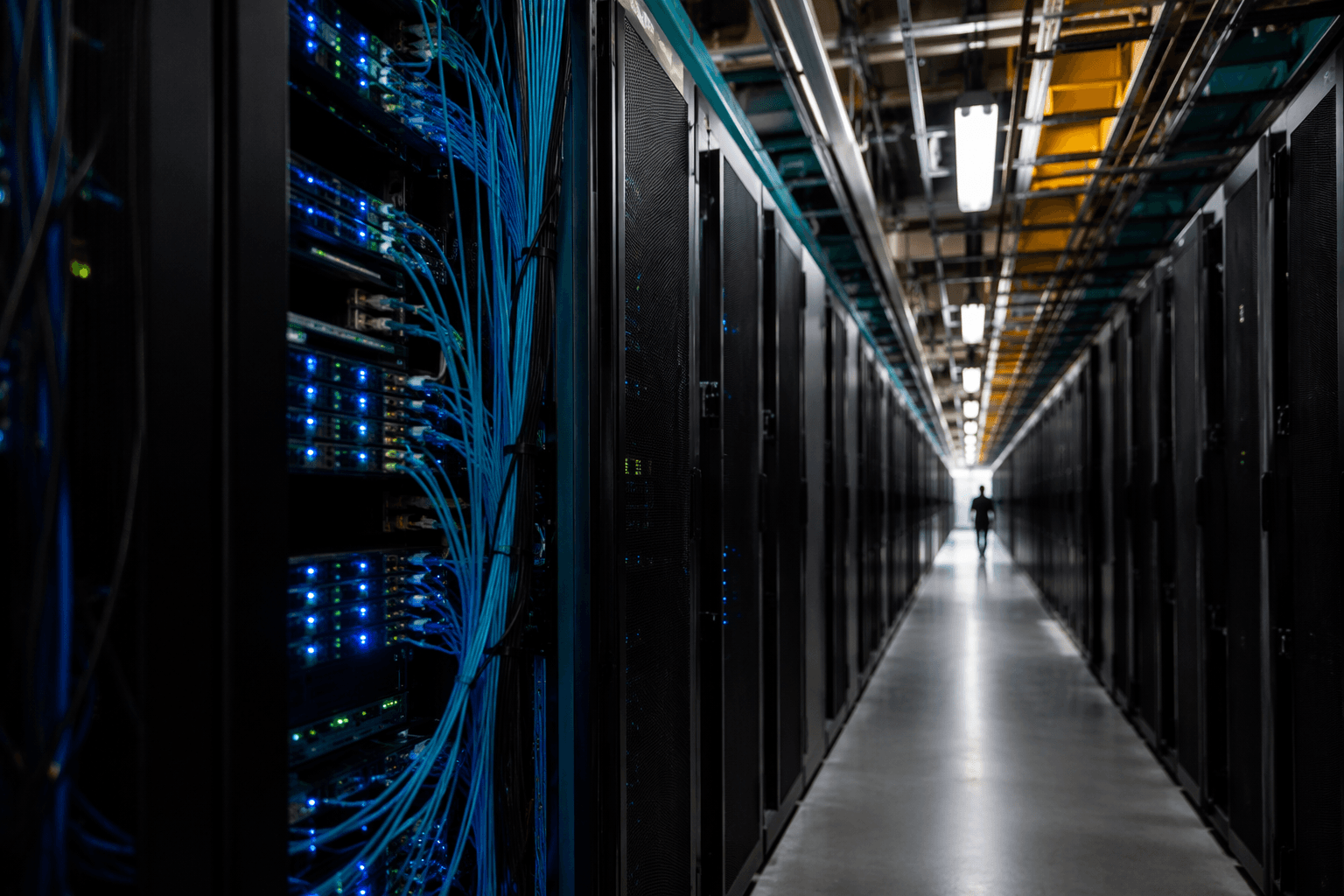
Verizon has signed a deal with Google worth more than $1 billion, deepening the tie between a legacy carrier and one of the world’s dominant cloud and AI platforms. Dan Schulman said Verizon secured the contract to provide dark fiber connectivity for Google’s data centers, a back-end arrangement that puts the focus on network capacity rather than consumer-facing products.
Dark fiber refers to unused fiber-optic cable that a customer can light and manage for its own traffic. In practice, that means Google gains more control over the physical links carrying data into and between its data centers, while Verizon monetizes infrastructure that once sat underused. The agreement also came as Verizon published its second-quarter 2026 earnings results on July 24, underscoring how central strategic transformation has become to the company’s growth narrative.
Schulman said Verizon expects to announce more deals by year-end, with those agreements worth multiple billions of dollars in revenue over the next several years. That points to a broader strategy: Verizon is looking beyond monthly phone bills and home broadband charges toward longer-term infrastructure and enterprise revenue. The company has already been testing that partnership model with Google. On April 9, 2025, Verizon said Google AI for customer service agents had helped drive a sales jump, and on June 24, 2025, Verizon highlighted a customer experience overhaul built around AI-powered support.
The transaction lands as investors keep pressing telecom carriers for evidence that they can grow in a market where wireless competition is intense and broadband demand is steady but mature. A contract of this size can help Verizon strengthen pricing power in enterprise services, because large customers pay for performance, reliability and scale rather than only raw bandwidth. It could also improve network performance if the investment goes toward better backbone capacity feeding data centers and business traffic.
For enterprise customers, the practical effect could be faster data movement and more resilient connectivity between cloud workloads, internal systems and customer applications. For consumers, the immediate change is less visible, but the same investments can shape call quality, service reliability and how much room carriers have to bundle or price premium services. The tradeoff is control. As carriers lean more on cloud and AI giants to run, optimize and monetize critical infrastructure, the lines between communications networks and digital platforms narrow. That can bring efficiency and faster product development, but it also concentrates more of the country’s connectivity stack inside a small group of companies. Regulators will have to decide whether deals like this are a straightforward efficiency gain or another step toward deeper concentration in the systems that carry traffic, data and enterprise workloads across the United States.
This article was produced by Prism’s automated news system from verified source data, official records, and press releases, then run through automated quality and moderation checks before publishing. The system is built and supervised by the people who set the standards it runs under. Read our full AI policy.
Did this article answer your question?