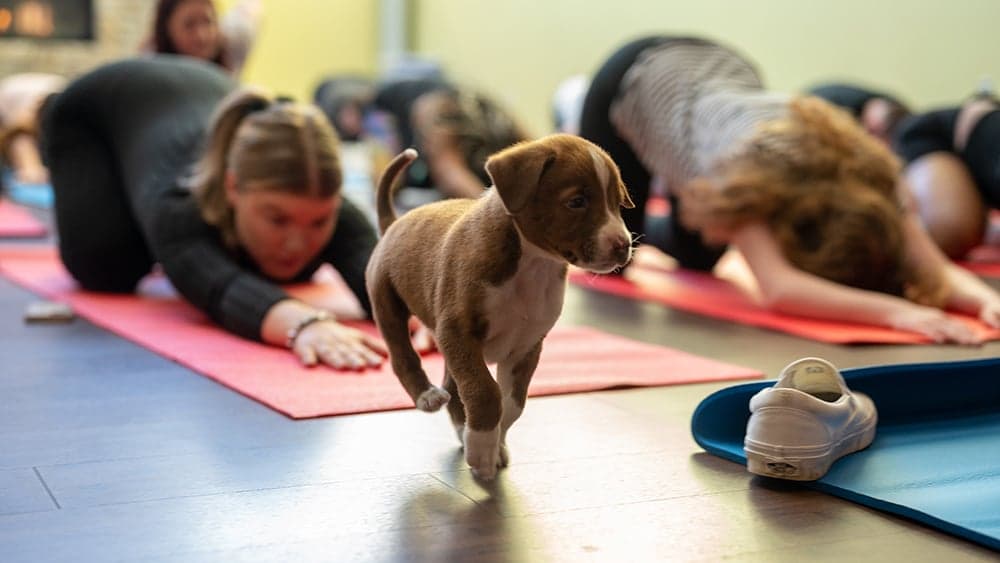
Investigation Raises Ethical Concerns Over Puppy Yoga's Benefits and Risks
An undercover investigation and vets warn puppy yoga can put young dogs at serious risk, even as some organizers say ethical sessions aid socialization and adoption.
An undercover probe in 2023 and voices from veterinary bodies have raised sharp ethical concerns about puppy yoga, the trend that mixes a yoga flow with live puppies roaming between mats. Investigators and welfare groups describe practices that can harm young dogs - early separation from mothers, repeated classes, withheld water, disturbed sleep and overcrowded rooms - while some operators insist carefully run sessions deliver socialization benefits and help adoptions.
Investigative reporting found that some venues used puppies as young as 6-7 weeks old and in some cases put puppies through up to three classes a day. Beezysrescue summarized those findings as “Early Separation & Overuse – Investigations in the UK found puppies as young as 6-7 weeks old being used in these classes, even though experts recommend they stay with their mother for at least 8 weeks. Some puppies were being used for up to three classes daily.” The same investigations reported dehydration and sleep deprivation problems, with puppies “frequently woken up by participants or instructors” and in some cases denied water to avoid accidents.
Veterinary leaders highlighted welfare risks. Dr. Justine Shotton, Senior Vice President of the British Veterinary Association, said, “we have serious concerns about the welfare of those puppies.” She added that some events appear to act as “a sort of marketing tool for puppy sales and irresponsible puppy sales.” The RSPCA has recommended a minimum maternal period of at least eight weeks, and some animal-welfare commentators quoted that puppy yoga can be “the opposite of socialization,” increasing the risk of later anxiety.
At the same time, several providers and rescue-hosted programs describe a different model. Pupsyoga states, “We only work with puppies in their optimal socialisation window (8-16 weeks) and tailor activities to their developmental stage.” Chewy quoted a spokesperson, Bloom, saying, “If a puppy falls asleep, we let them sleep. No exceptions. And we only do one yoga session per group of puppies, with small class sizes, so the puppies never get overwhelmed.” Commercial promoters emphasize the joy factor - Puppy Sphere advertised that, “This endorphin boosting and Insta-worthy class includes a flow yoga session with adorable puppies and refreshing bubbly.”
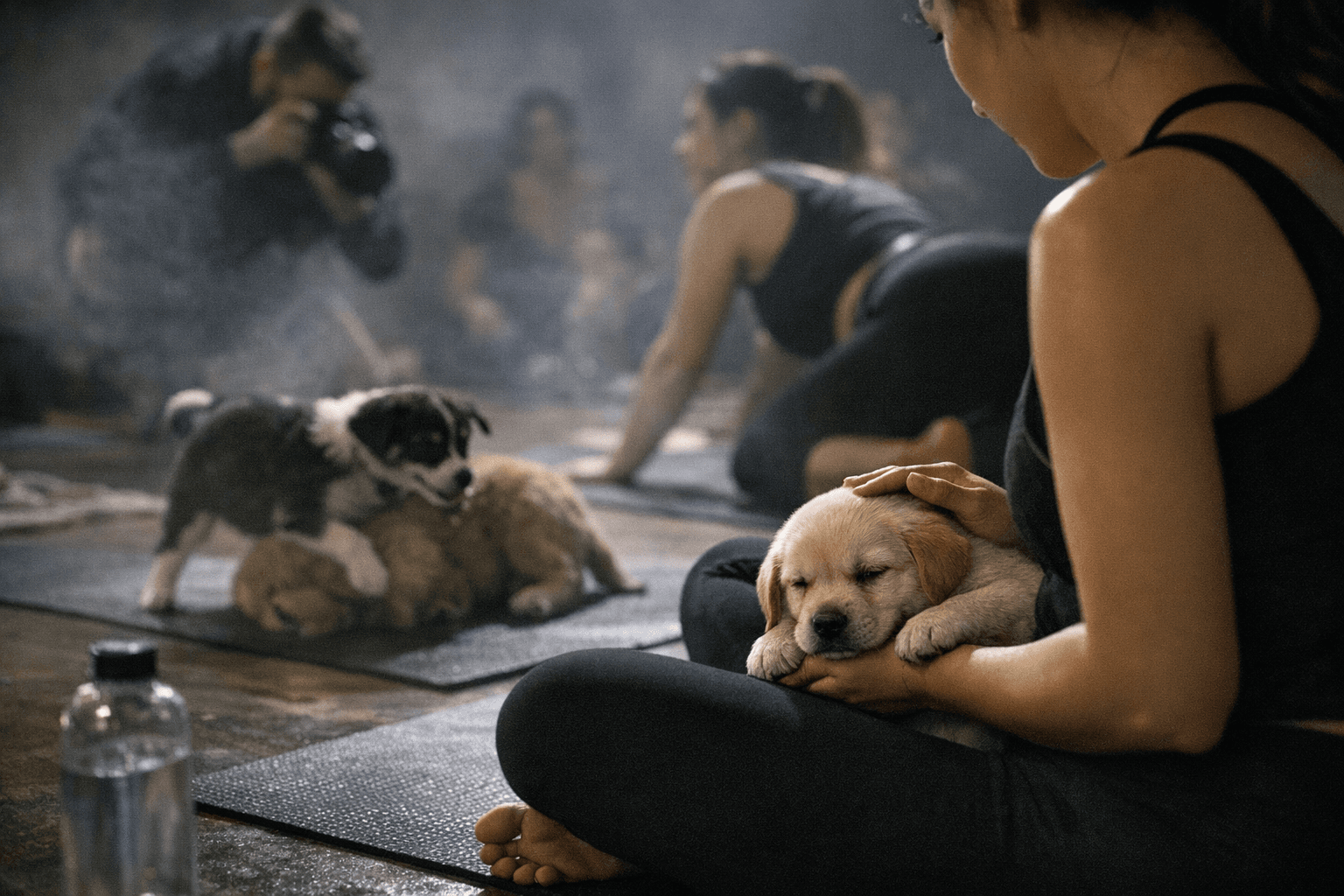
For people who practice dog yoga or book events, the contrast matters. Look for clear age rules and vaccination checks, transparent shelter or breeder credentials, a dedicated handler whose sole role is mat-side puppy care, limits on sessions per puppy, access to water, and a policy that allows uninterrupted sleep. Avoid events that run back-to-back classes with the same pups, hide puppy origins, mix alcohol with sessions, or show puppies that appear underfed or overstimulated.
The dispute between documented abuses and providers who follow strict welfare steps leaves the community with a demand for accountability. Expect more scrutiny from vet groups and welfare organizations, and if you run or attend classes, verify age, health checks and handlers before you roll out your mat. What comes next is practical: support rescue-hosted, transparent programs or press operators to meet clear welfare standards so the practice lives up to its promise of wellbeing for both humans and pups.
Know something we missed? Have a correction or additional information?
Submit a Tip