Iran Agency Cites Chain of Human and Technical Errors in PS752 Downing
Iran’s Civil Aviation Organization says a misaligned air-defence radar and subsequent procedural failures set off a sequence that led to the January 2020 downing of Ukraine International Airlines Flight PS752, killing all 176 aboard. The finding deepens long-standing questions about accountability, independent verification, and the diplomatic fallout for countries that lost citizens, especially Canada.
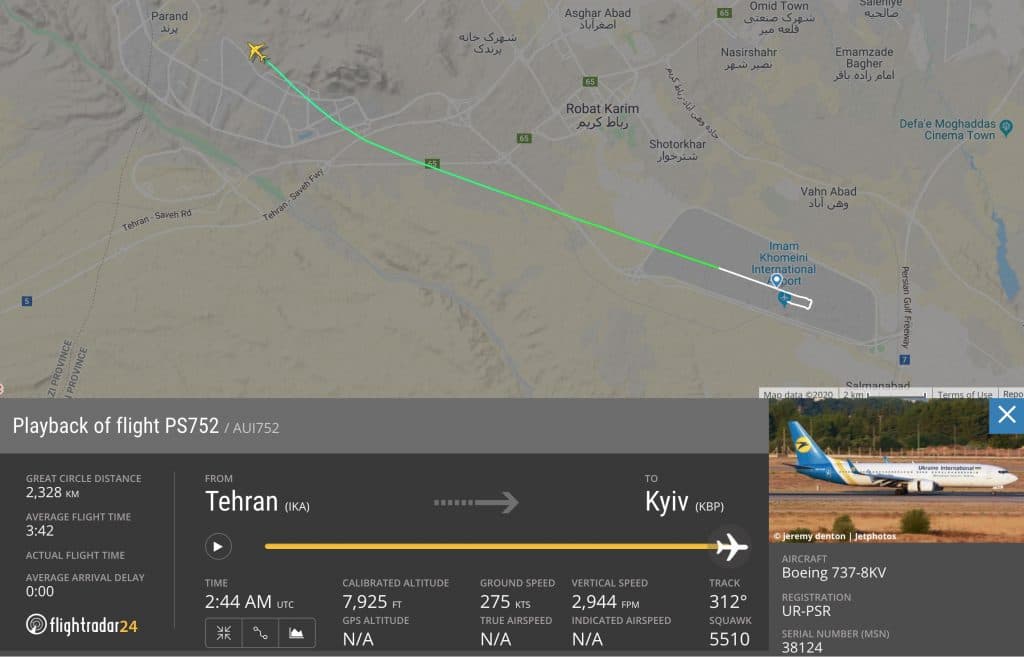
Iran’s Civil Aviation Organization has attributed the January 8, 2020 downing of Ukraine International Airlines Flight PS752 to a sequence of human and technical failures, saying a misaligned air-defence radar “initiated a hazard chain” that led to two surface-to-air missiles striking the Boeing 737-800 shortly after takeoff from Tehran’s Imam Khomeini International Airport.
The CAO described the document as a factual report produced by Iran’s Aircraft Accident Investigation Board, although it said the paper was not a final investigative report. The account outlines a central technical finding: an air-defence radar or system had been misaligned by 107 degrees after a missile battery was relocated and not recalibrated correctly. The CAO attributed that error to “a human error in following the procedure” for aligning the radar.
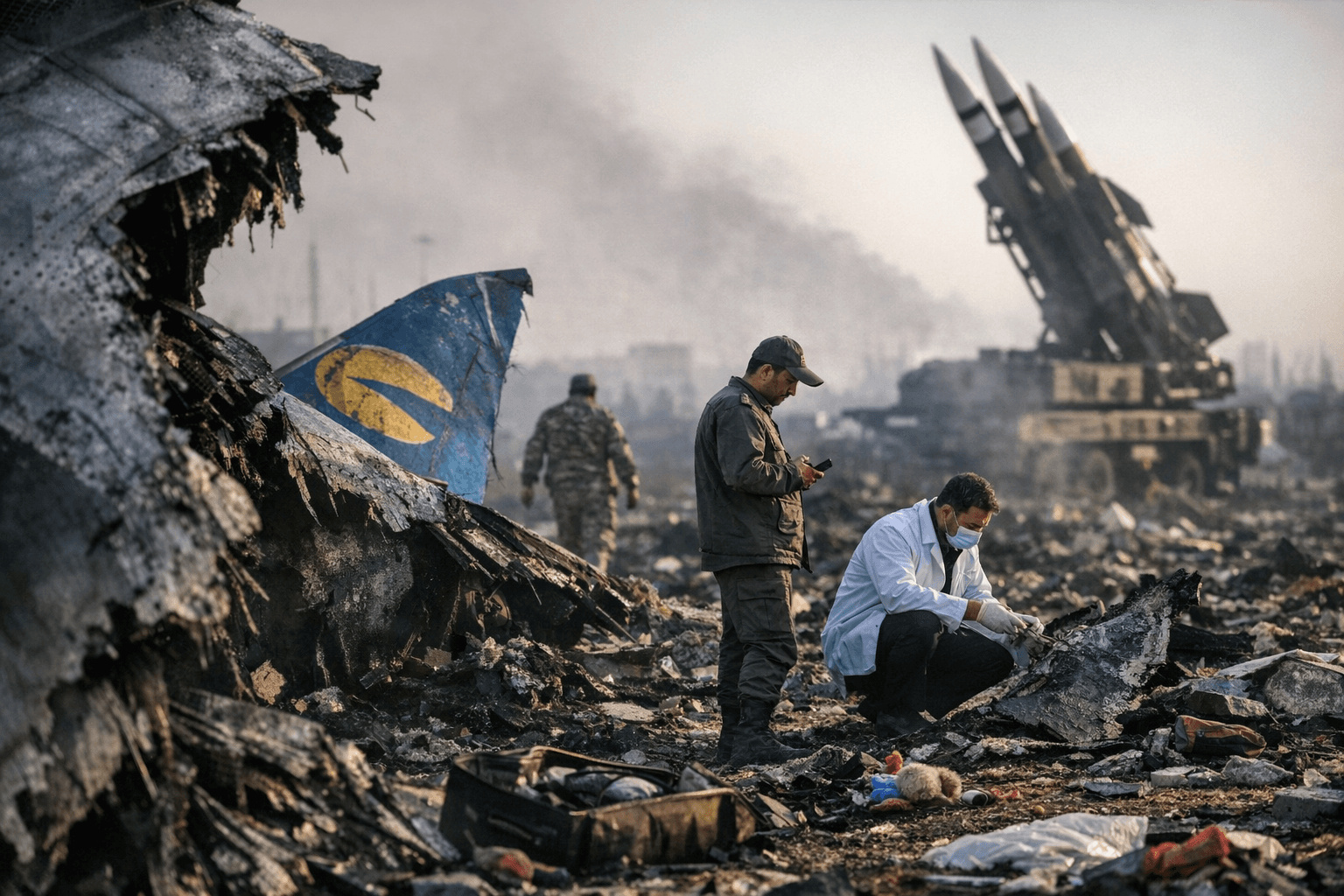
Because the relocated system was not reoriented properly, the departing civilian aircraft was misidentified by the air-defence unit as a potential hostile or military target approaching Tehran from the southwest. The report details additional failures in the minutes that followed, citing communication breakdowns and breaches of engagement protocols, and saying weapons were fired without proper authorization. Two surface-to-air missiles struck the aircraft, which crashed, killing all 176 people on board. Reporting on the passenger list has noted that 138 of those who died had ties to Canada.
The incident took place amid intense regional tension after the United States killed Iranian Major General Qassem Soleimani and Iran responded with strikes on bases in Iraq. Iranian forces were reportedly on high alert at the time, a context the CAO said heightened risk but did not absolve the procedural and technical failures it identified.
Relatives of victims have reacted with anger and frustration. Hamed Esmaeilion, who lost his wife and daughter on PS752, said the Iranian report “answers none of the questions” posed by victims’ families. Governments of countries that lost citizens pressed for a full, transparent, and internationally supervised investigation, and those demands have persisted as families seek clarity on responsibility, motive and the chain of command.
The CAO’s filing has been variously characterized in public discussion as a preliminary factual account or a final report. A discrepancy in source metadata that references January 3, 2026 conflicts with widely reported publication dates in mid-July 2020; the agency has not publicly reconciled that inconsistency. That lack of clarity underscores enduring concerns about independent verification and whether command-level or institutional accountability will be established.
Beyond the immediate tragedy, the CAO findings raise broader questions about military discipline, air-defence procedures, and the protections afforded to civil aviation in tense military settings. Investigators, diplomats and families continue to press for an independent, internationally led inquiry and for clearer answers about who will be held accountable for the failures that ended 176 lives.
This article was produced by Prism’s automated news system from verified source data, official records, and press releases, then run through automated quality and moderation checks before publishing. The system is built and supervised by the people who set the standards it runs under. Read our full AI policy.
Did this article answer your question?