Iran agrees ceasefire deal, reopening Strait of Hormuz awaited
Iranians welcomed a ceasefire deal as the rial strengthened and stocks surged, but hardliners warned the conflict’s biggest questions were still unresolved.
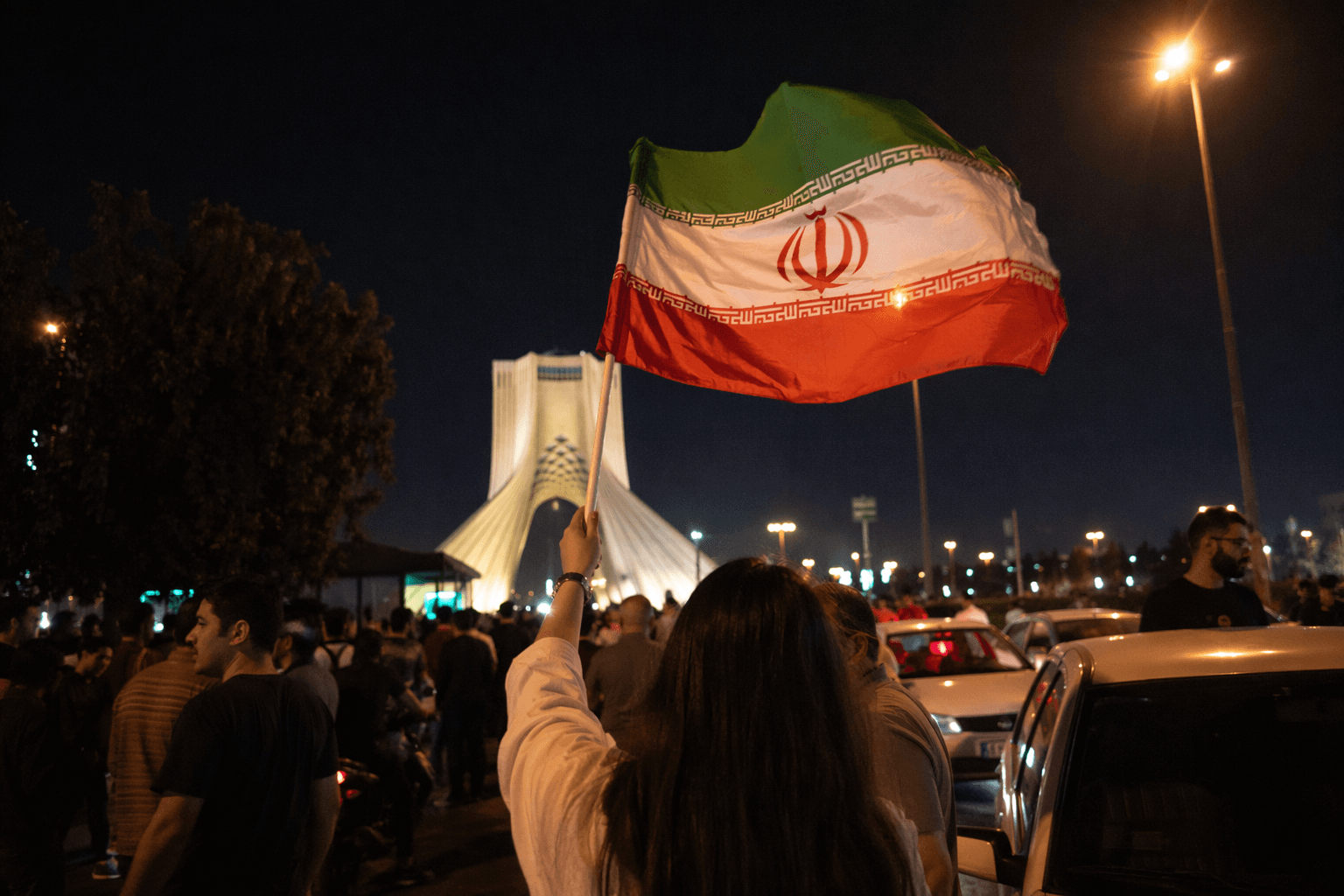
Relief spread quickly through Iran as word of an immediate ceasefire and reopening of the Strait of Hormuz circulated, but the sense of respite was shadowed by deep doubt over how long it would last. After more than three months of fighting that began in late February 2026, the reported agreement promised a permanent halt to hostilities and a framework for further negotiations, while leaving the most difficult issues for later.
For many households, the first signs of change were financial. On June 14, Iran’s rial strengthened to less than 1.68 million rials per U.S. dollar in Tehran’s open market, according to Reuters. Gold prices fell as well, with the Emami gold coin dropping to about 1.71 billion rials, down roughly 5 percent from the prior market opening. Tehran’s stock market also surged to a new all-time high of nearly 4.82 million points after a controlled reopening, underscoring how quickly traders were pricing in the possibility of reduced wartime pressure.
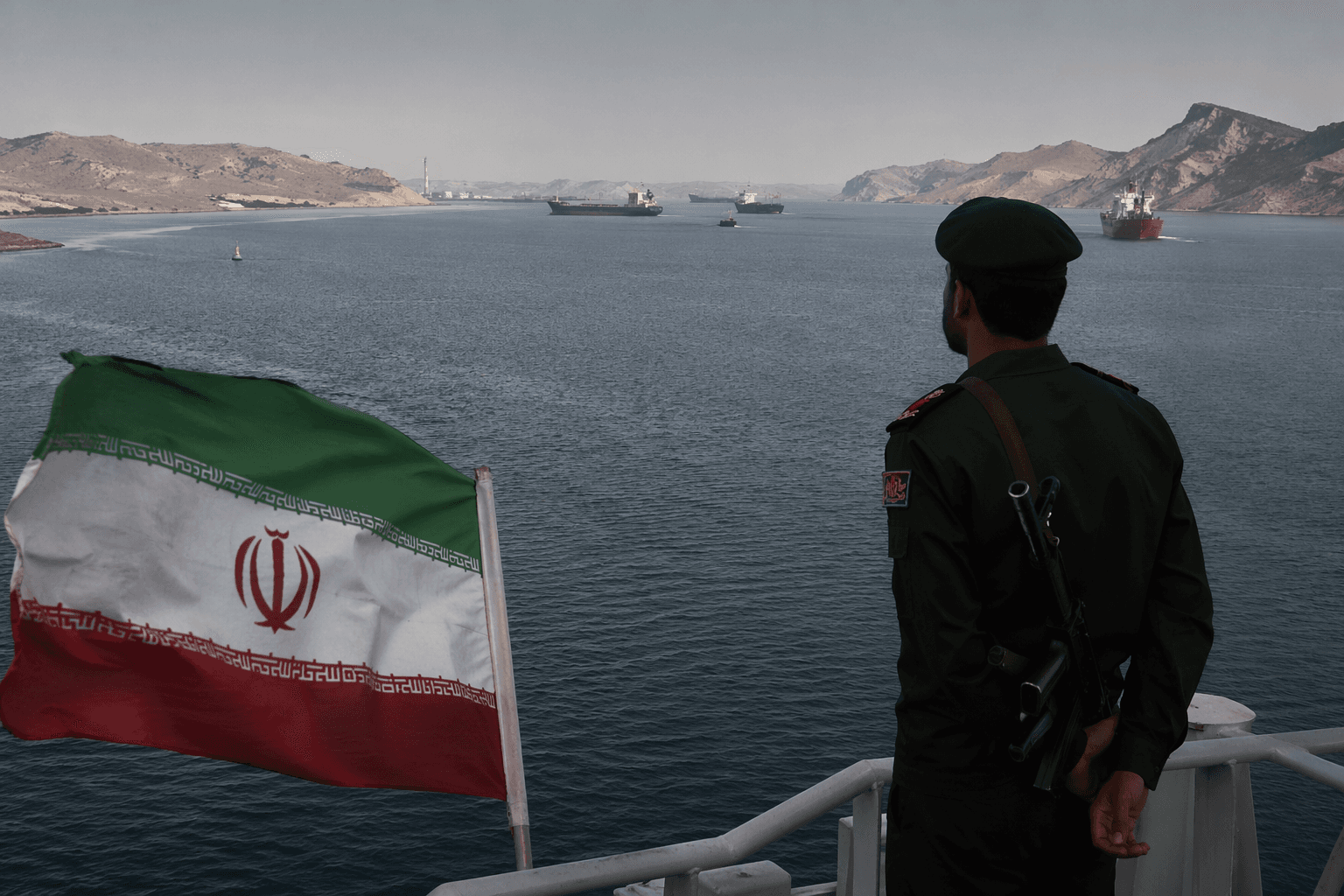
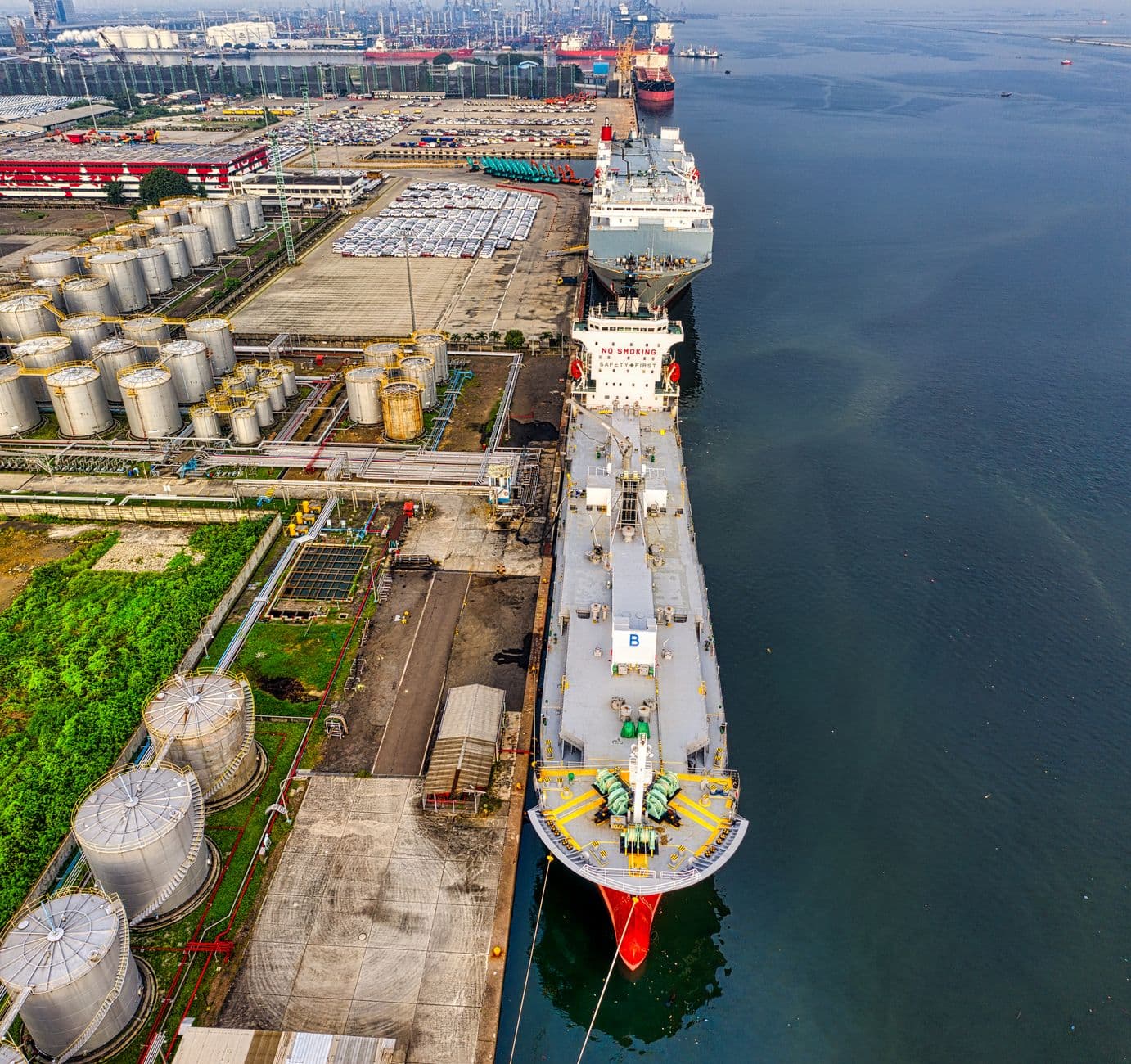
The deal centered on the Strait of Hormuz, the narrow waterway that normally carries about 20 percent of the world’s oil and liquefied natural gas. United Nations officials said the fighting had disrupted global energy flows and had a devastating impact on the world economy, turning the ceasefire into more than a regional truce. If the agreement holds, reopening the strait would ease one of the most dangerous pressure points in the conflict and restore a vital route for energy shipments moving through the Persian Gulf and Gulf of Oman.
Still, the political bargain remained fragile. Iranian hardliners and other critics pushed back against the emerging agreement, while Foreign Minister Abbas Araqchi said Iran had emerged stronger from the war. The United Nations said Pakistan, Qatar, Egypt, Saudi Arabia, Türkiye and other mediators helped support the talks, and Secretary-General António Guterres welcomed the new peace deal as a critical step. But the unresolved issues, including Iran’s nuclear program, sanctions relief and inspection and compliance arrangements, were left for follow-on negotiations.
A formal signing ceremony was expected on June 19 in Switzerland, leaving the ceasefire poised between possibility and uncertainty. For ordinary Iranians, the deal offered immediate breathing room after months of strain, but the durability of that relief would depend on whether the next round of negotiations could turn a pause in fighting into something more lasting.
This article was produced by Prism’s automated news system from verified source data, official records, and press releases, then run through automated quality and moderation checks before publishing. The system is built and supervised by the people who set the standards it runs under. Read our full AI policy.
Know something we missed? Have a correction or additional information?
Submit a Tip