Asia’s energy crunch may linger long after Strait of Hormuz reopens
Reopening Hormuz would not end Asia’s energy pain. Oil and fuel shortages, higher shipping costs and supply-chain stress were already feeding through the region.
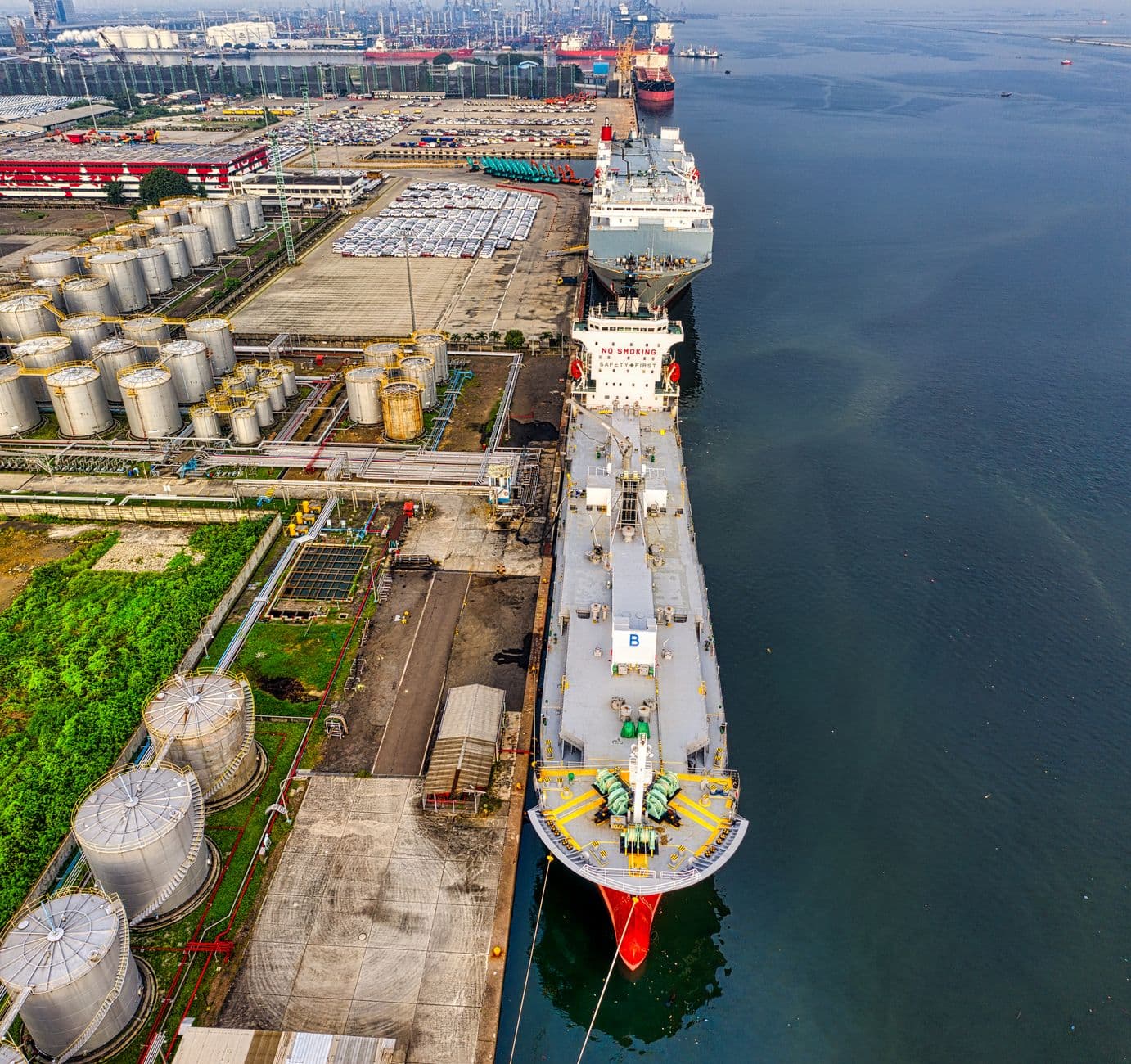
Reopening the Strait of Hormuz would have brought relief, but not recovery. For months, Asia had been trapped in a physical supply crunch that pushed up energy costs, strained shipping and disrupted trade in ways that were likely to linger long after tankers resumed normal passage.
The stakes were enormous. In 2024, about 20 million barrels a day of oil flowed through the strait, roughly one-fifth of global petroleum liquids consumption and more than one-quarter of seaborne oil trade. Asia depended heavily on that corridor for crude and liquefied natural gas, and the shock reached far beyond oil. Refined products were hit too, with Asia’s combined exports of jet fuel, diesel and gasoline in April running almost 3 million barrels a day below the average for the three months before the conflict began.
Even if a U.S.-Iran deal reopened the waterway, analysts said the damage would not unwind quickly. Inventories, shipping networks, insurance arrangements and trade routes had all been disturbed, and those systems typically took time to normalize. The region’s exposure was especially severe because Persian Gulf supplies accounted for 55% of China’s inflows, even as China’s onshore crude stocks reached a record 1.3 billion barrels and helped refiners keep run rates steady.
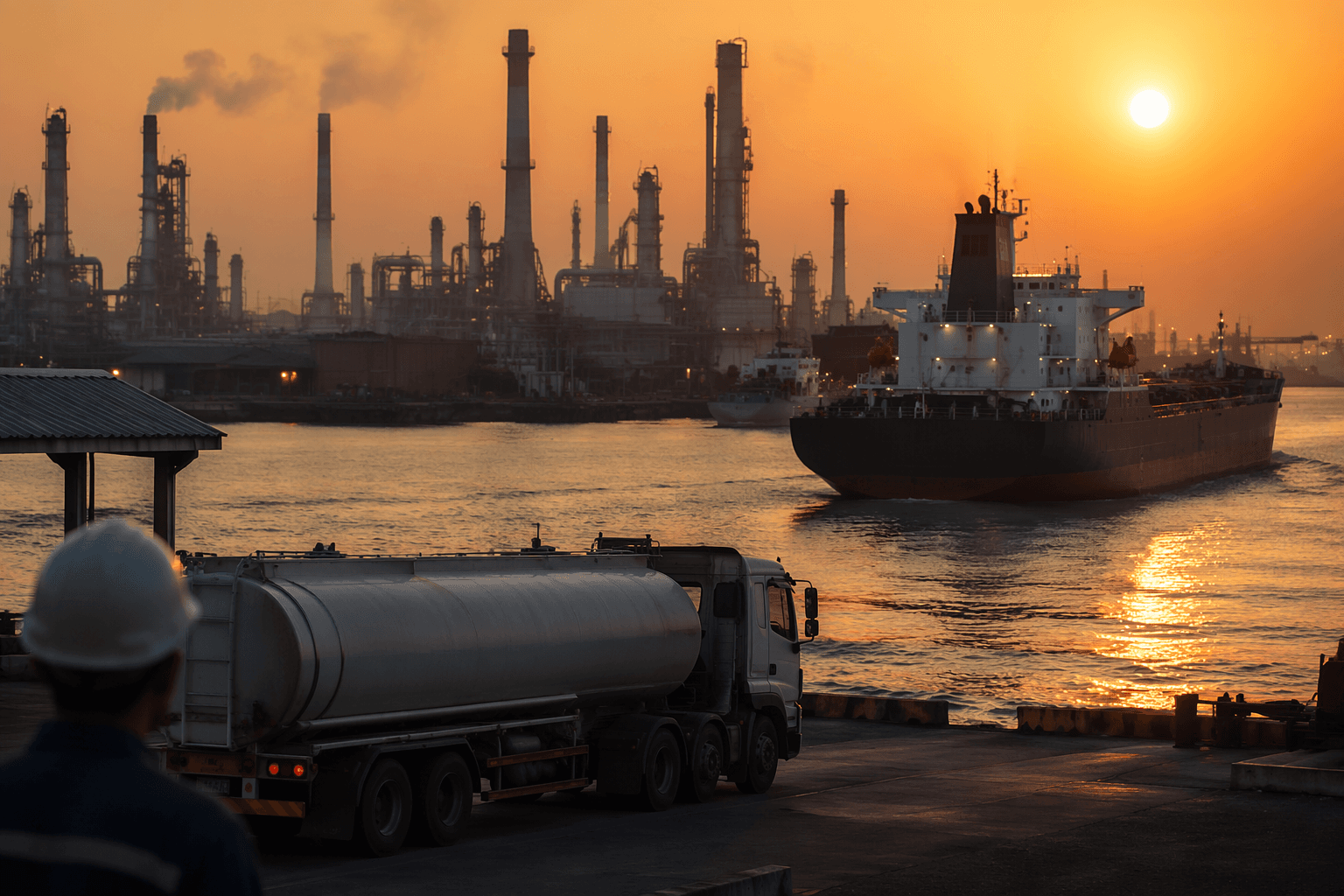
The crisis also had a second pressure point. Houthi attacks in the Suez corridor compounded the disruption, turning the situation into what analysts described as a dual-chokepoint shipping crisis. That combination rattled equity markets, currencies, inflation expectations and growth forecasts across Asia, while the United Nations said persistent instability around Hormuz had driven up energy costs and worsened a jobs and cost-of-living crisis.
Japan’s prime minister, Sanae Takaichi, welcomed the deal to reopen the strait and called it a major step toward free and safe navigation. But for Asian importers, manufacturers and shippers, the relief could prove temporary if freight rates, insurance premiums and fuel flows stayed distorted into the end of the year and beyond.
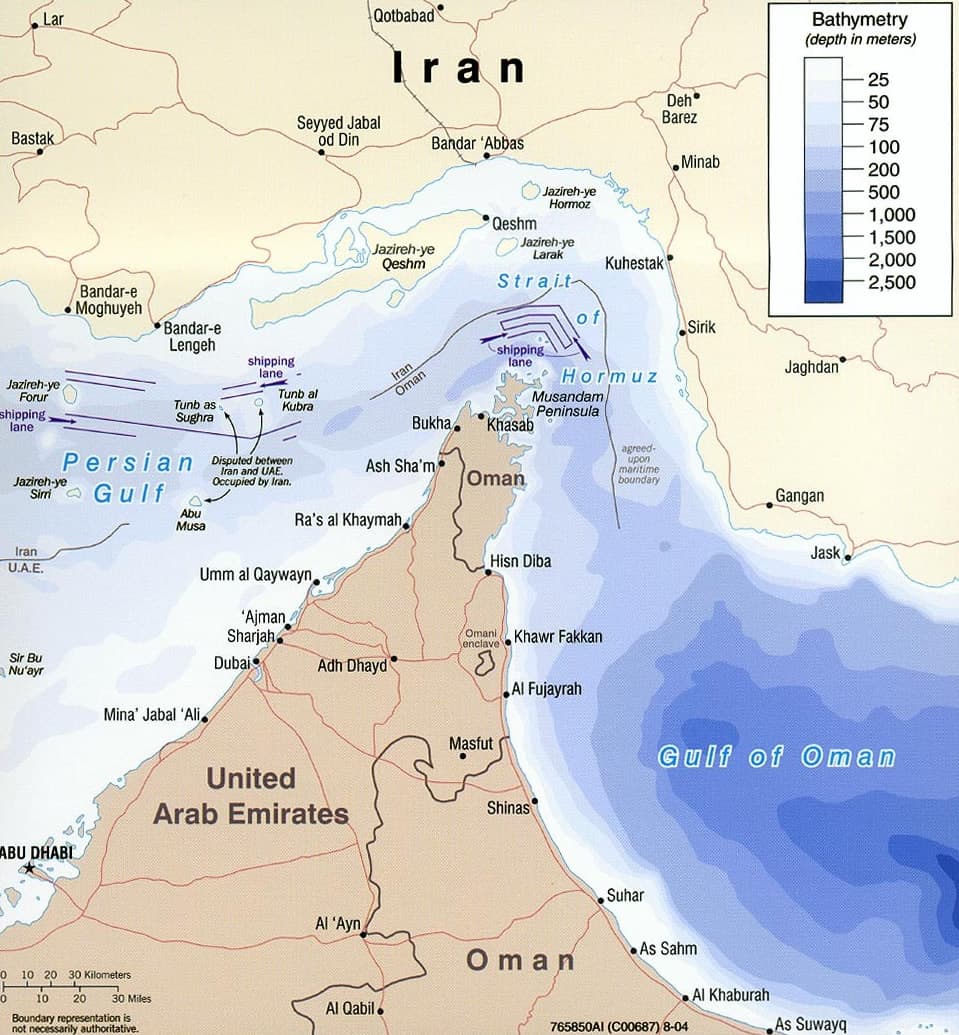
For the United States, the wider lesson was immediate. When a route carrying that much of the world’s oil is disturbed, the effects do not stop at the Gulf. They feed into global prices, trade flows and the stability of economies far from the Strait of Hormuz.
This article was produced by Prism’s automated news system from verified source data, official records, and press releases, then run through automated quality and moderation checks before publishing. The system is built and supervised by the people who set the standards it runs under. Read our full AI policy.
Know something we missed? Have a correction or additional information?
Submit a Tip