Iran allows Chinese tankers through Strait of Hormuz after talks
Chinese tankers moved again through Hormuz while other ships stayed at Iran’s discretion, turning a crucial lane into a test of Beijing’s clout.

Chinese-linked vessels began passing through the Strait of Hormuz again after Tehran and Beijing reached an understanding over Iran’s management protocols, a shift that immediately split the world’s most important energy chokepoint into preferred and uncertain traffic. Iran’s opening came after requests from China’s foreign minister and China’s ambassador to Iran, and one Chinese supertanker carrying 2 million barrels of Iraqi crude crossed after being stranded in the Gulf for more than two months.
The selective easing underscored how much leverage Beijing now holds with Tehran. Xinhua, citing Fars, said about 30 vessels had passed through since Wednesday night, and Al Jazeera said dozens of ships, including Chinese-owned vessels, were moving under Iran’s management protocols. Seyed Abbas Araghchi, Iran’s foreign minister, said the Strait of Hormuz was open to all commercial vessels if they cooperated with Iranian naval forces, while blaming the United States for the blockade. That wording left the door open, but only on Iran’s terms.
The timing carried immediate market and diplomatic weight. Reuters reported the change as Donald Trump was in China and discussing the Strait of Hormuz with Xi Jinping, and said the two agreed the waterway must remain open for the free flow of energy. That message matters because the strait normally carries one-fifth of global oil and natural gas transit. Even a brief interruption can jolt tanker insurance, freight rates and crude benchmarks from the Gulf to refineries in Asia and Europe.
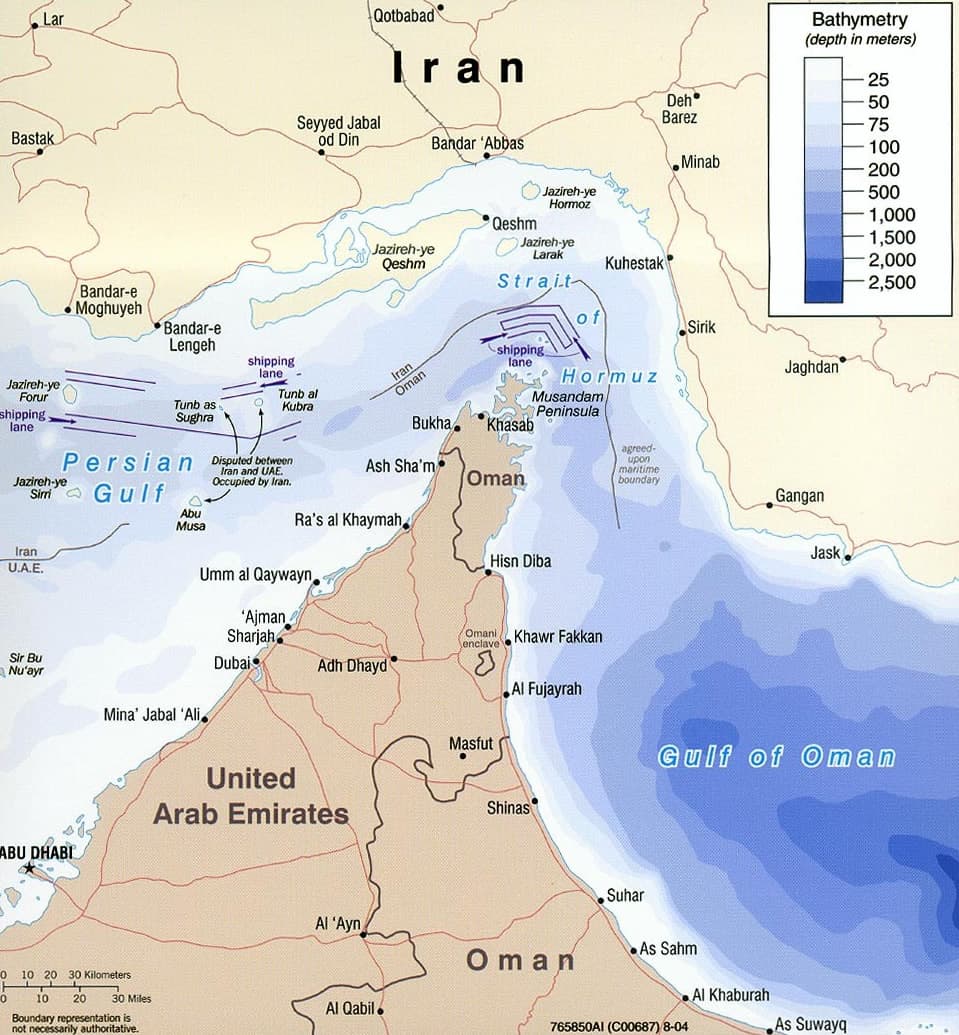
The new arrangement also highlighted the uneven geography of risk in the wake of the war between the United States and Iran. Reuters said Iran tightened its grip on the strait beginning February 28 after U.S. and Israeli strikes, turning neutral shipping into a bargaining chip and raising fears that commercial traffic could be throttled without warning. The latest opening appeared narrower, not broader: Chinese cargoes were moving, while the rest of the market waited to see which flags, owners or destinations might win the next exemption. For tanker operators, refiners and governments dependent on Gulf energy, that is not a return to normal. It is a warning that access to Hormuz now depends as much on diplomacy with Tehran as on the route itself.
This article was produced by Prism’s automated news system from verified source data, official records, and press releases, then run through automated quality and moderation checks before publishing. The system is built and supervised by the people who set the standards it runs under. Read our full AI policy.
Did this article answer your question?