Iran and Hezbollah strike Israeli and U.S. targets as Trump warns weeks of war
Iran and allied militias, including Hezbollah, attacked Israeli and U.S. targets, drawing Israeli strikes in Lebanon; Trump predicts "four to five weeks" of campaign and Rubio warns "hardest hits are yet to come."
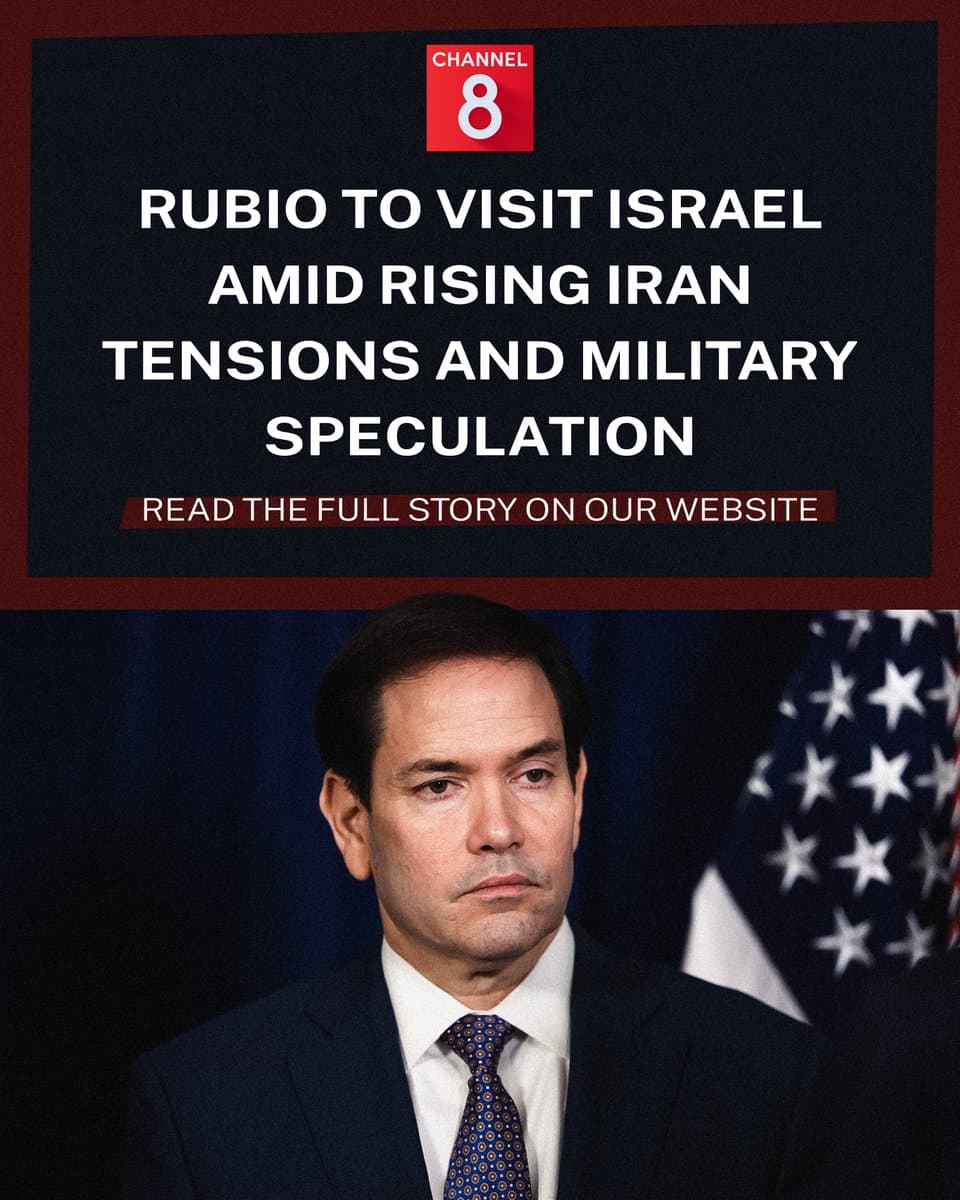
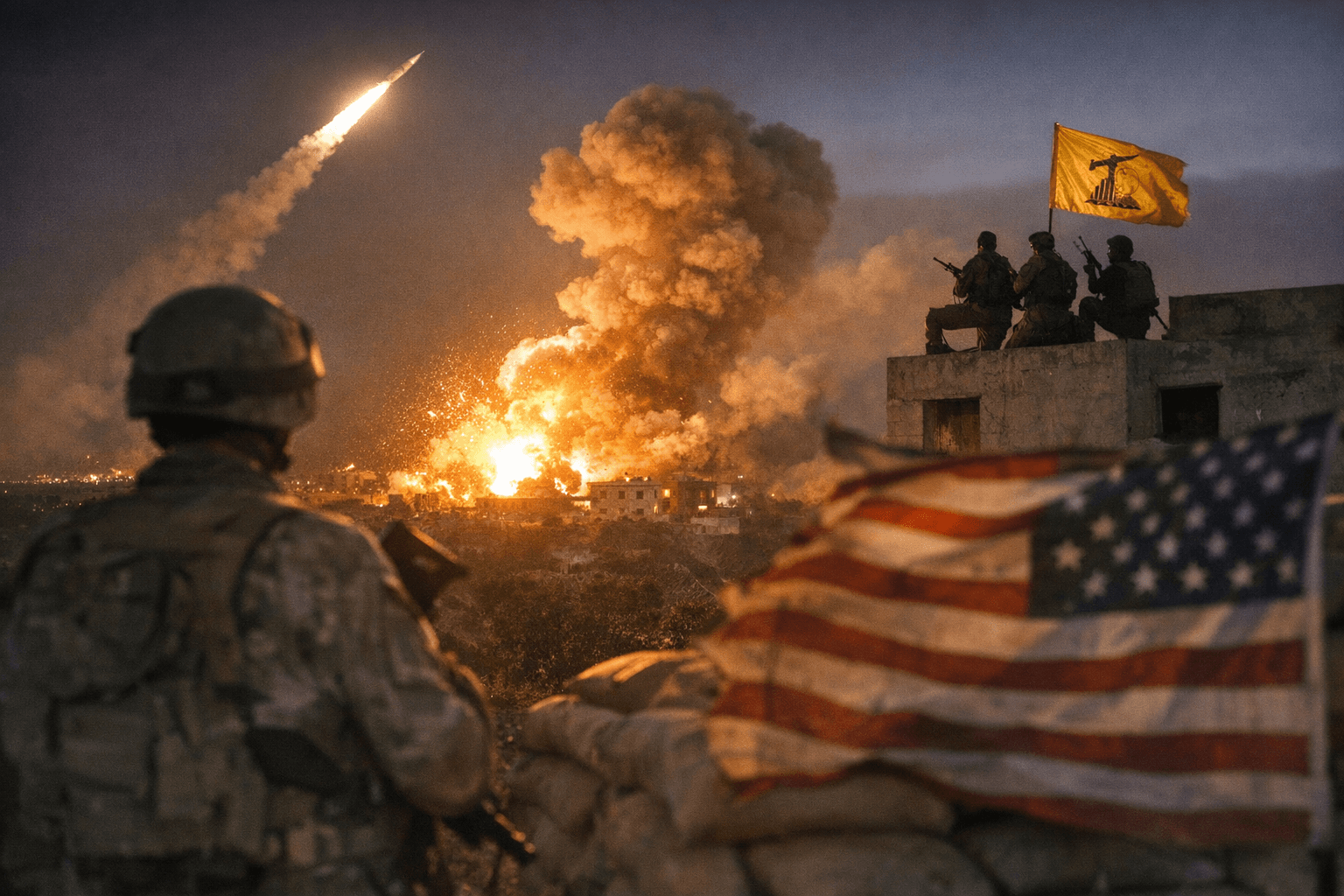
Iran and allied militias, including Hezbollah, launched attacks on Israeli and U.S. targets today, prompting Israeli strikes in Lebanon and sharp warnings from U.S. leaders that the confrontation could widen. President Trump said the campaign could last "four to five weeks" and added that "we have the capability to go far longer than that." Senator Marco Rubio cautioned that "the hardest hits are yet to come."
The exchanges unfolded amid already high regional tension and represent an escalation that risks drawing in additional actors and prolonging military activity. Israeli forces struck targets in southern Lebanon in response to the attacks, signaling a cross-border widening of a conflict that began with the earlier Israel-Hamas war but has spread into a broader Iran-backed front. Officials on all sides described the situation as active, with further exchanges possible as each side assesses whether to intensify or contain its response.
The immediate operational consequence is increased volatility along multiple fronts. Israeli strikes in Lebanon expand conflict geography and complicate humanitarian and security calculations for civilian populations along the Israel-Lebanon border. Attacks on U.S. targets, as reported by the administration, force U.S. commanders to reassess force protection, posture and potential escalation ladders. President Trump's comment that the campaign could persist for weeks frames a period of sustained risk for military personnel and regional allies.
Economically, the confrontation introduces downside risks to energy and financial markets that are sensitive to disruptions in the Middle East. Even short spells of uncertainty can lift oil prices, raise shipping and insurance costs for goods transiting the eastern Mediterranean and the Red Sea corridors, and push investors toward safe-haven assets. A protracted campaign would increase the probability of broader supply shocks and higher defense spending across affected countries, with knock-on effects for budgets and inflationary pressures. Market participants typically price in a premium for geopolitical risk; the current exchanges will likely pressure that premium higher until a clear de-escalation signal emerges.
Policy choices now facing Washington involve calibrated deterrence, alliance management and deterrence messaging. The White House must balance the need to protect U.S. forces and reassure regional partners with the risk that deeper engagement could draw American forces further into a wider conflict. NATO and European capitals, Gulf partners and neighboring states will be watching for decisions on force posture, sanctions enforcement and diplomatic channels to pull back from kinetic escalation.
Longer term, the episode underscores persistent dynamics in the region: fragmented proxy networks, an Iran strategy that leverages allied militias to project power at lower overt cost, and the challenge for U.S. policymakers trying to deter escalation without becoming entangled in sustained combat. If the campaign does stretch into weeks as President Trump suggested, defense planners will confront renewed pressure to increase readiness and procurement, while debt-constrained governments in the region weigh the fiscal cost of security-focused spending against domestic needs.
At present, the trajectory remains uncertain. The immediate test will be whether diplomatic backchannels can halt cross-border strikes and whether key actors choose containment over expansion. The coming days are likely to set the pattern for whether this episode remains a high-intensity but limited confrontation or becomes a sustained regional campaign.
This article was produced by Prism’s automated news system from verified source data, official records, and press releases, then run through automated quality and moderation checks before publishing. The system is built and supervised by the people who set the standards it runs under. Read our full AI policy.
Did this article answer your question?


