Iran Assures Non-Hostile Ships Safe Passage Through Strait of Hormuz
Iran formally told the UN and 176 IMO member states that non-hostile ships can transit the Strait of Hormuz — but vessels linked to the US or Israel are explicitly excluded.
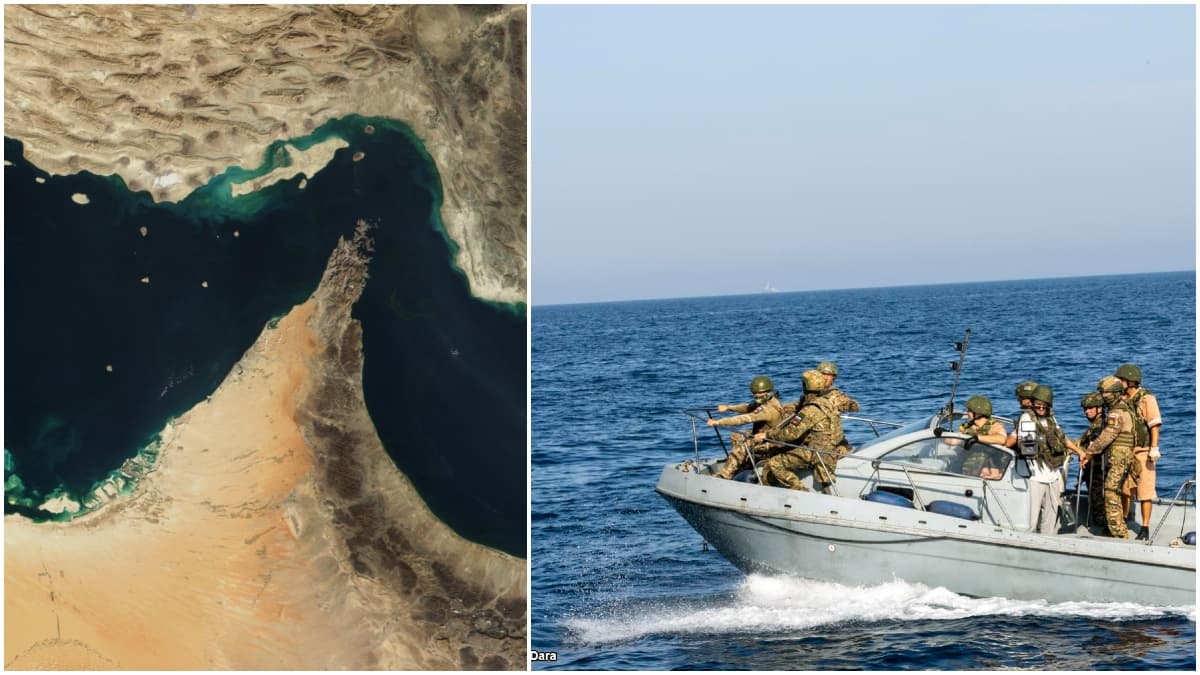
Iran's Foreign Ministry sent a letter to the 15-member UN Security Council and Secretary-General Antonio Guterres on Sunday, March 22, formally notifying the world that "non-hostile vessels" may transit the Strait of Hormuz, provided they coordinate with Iranian authorities and refrain from supporting acts of aggression against Tehran. The letter was then circulated on Tuesday among the 176 members of the London-based UN shipping agency responsible for regulating the safety and security of international shipping and preventing pollution.
The conditions attached were pointed. Iran has "taken necessary and proportionate measures to prevent the aggressors and their supporters from exploiting the Strait of Hormuz to advance hostile operations against Iran," the note read, adding that vessels, equipment, and any assets belonging to the US or Israel, "as well as other participants in the aggression, do not qualify for innocent or non-hostile passage."
The diplomatic note arrived as Iran was already enforcing the policy on the water. Iran is developing a new vetting and registration system for ships transiting the Strait of Hormuz as it transitions to a "selective" blockade of the strategic waterway, according to Lloyd's List. The maritime intelligence service reported that several countries, including India, Pakistan, Iraq, Malaysia and China, are in direct talks with Tehran to transit through its territorial waters. Ships are passing through via an "Iran-approved" corridor close to Larak Island off the coast of Iran for verification checks. At least nine ships have already used the corridor, which effectively routes vessels close to Larak Island for visual checks by the IRGC Navy and port authorities.
The financial stakes of that approval process are already emerging. Separate reporting indicates some vessels have been asked to pay ad hoc transit fees of up to $2 million per voyage, effectively introducing an informal toll layered onto the emerging permission-based regime. The Liberia-flagged tanker Shenlong, carrying oil from Saudi Arabia to India through the strait, arrived at Mumbai on March 12 after being given passage by Iran, a concrete early example of Tehran's selective enforcement in action.
Iran's Foreign Minister Abbas Araghchi had signaled the shift in tone days before the formal letter. Araghchi said the Strait was "open, but closed to our enemies," signaling a de-escalation from earlier remarks by the IRGC that any ship trying to transit the waterway would be set ablaze. That earlier threat came from a senior IRGC adviser on March 2, when the announcement that the strait was "closed" sent oil prices soaring above $100 per barrel from a pre-war price of about $65.
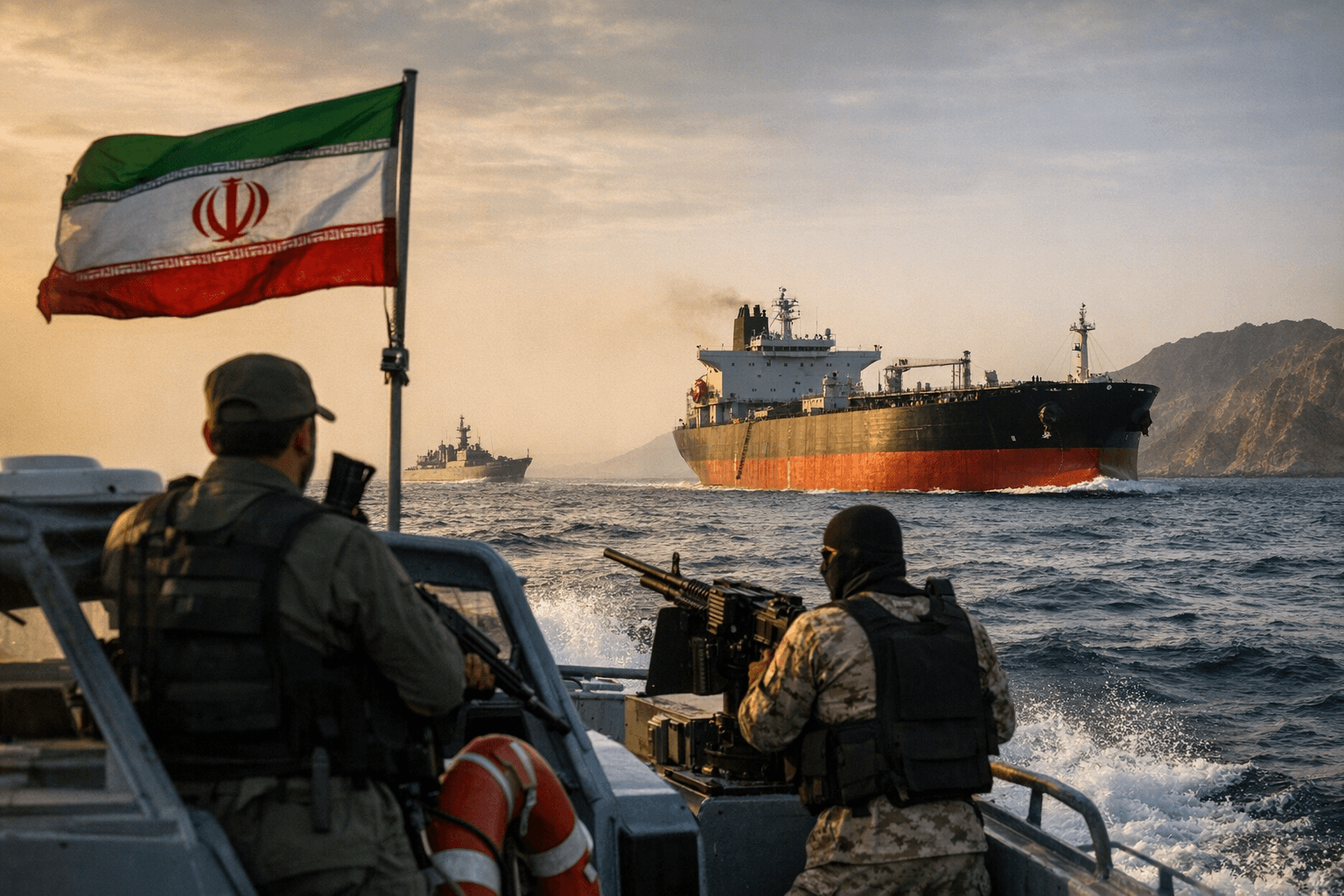
Traffic through the Strait has plunged 95 percent since the United States and Israel launched a war on Iran three weeks ago, with major repercussions for global energy markets. About one-fifth of the world's oil transits through the Strait, which connects the Gulf and the Gulf of Oman. Iran's new supreme leader, Ayatollah Mojtaba Khamanei, had previously said his country would use closure of the strait as a "tool of pressure" against the US and Israel, making the Foreign Ministry's letter a notable pivot in tone, if not in underlying strategy.
The international community has been scrambling to respond. The UN Security Council was expected this week to consider a resolution that would allow military action to protect ships in the waterway. Several countries, including France, Japan and the UAE, signed a joint statement supporting "appropriate efforts" to keep the Strait of Hormuz open and ensure freedom of navigation. US President Donald Trump called on allied nations to help American forces police the waterway; when those calls went unanswered, he declared that the United States does not need the strait and that other countries should shoulder the burden of securing it.
Maritime law expert Alex Mills told Al Jazeera that several countries including India, Pakistan, Iraq, Malaysia and China are in direct talks with Tehran about transit arrangements, but cautioned that the new registration system offers only a short-term solution and may not make economic sense over time. Taken together, the policy, enforcement actions, and reported toll demands point to a clear shift: the Strait of Hormuz is no longer functioning as an open transit corridor, but as a controlled gateway where passage is increasingly conditional, coordinated, and, in some cases, paid for.
This article was produced by Prism’s automated news system from verified source data, official records, and press releases, then run through automated quality and moderation checks before publishing. The system is built and supervised by the people who set the standards it runs under. Read our full AI policy.
Did this article answer your question?