Iran backs Hezbollah as Israel-Lebanon clashes escalate
Iran is signaling it will absorb battlefield risk to keep Hezbollah in the fight, even as Israeli strikes push Lebanon toward a wider crisis.

Tehran’s support for Hezbollah has become a test of regional power, not just a response to Israeli attacks. By backing the group as violence with Israel escalates, Iran is telling Hezbollah and other allies that it will bear the cost of confrontation to preserve its network of influence across Lebanon, Syria and beyond.
That calculation hardened after Hezbollah resumed attacks on Israel following the Iran-Israel escalation in early 2026. The group, long Iran’s most important proxy, was forced to weigh Lebanon’s domestic interests against pressure to stand with its patron. A U.S.-brokered ceasefire in 2024 had ended more than a year of cross-border fire, but it left Hezbollah weakened rather than broken, and the latest round of fighting showed how quickly the front could reopen.
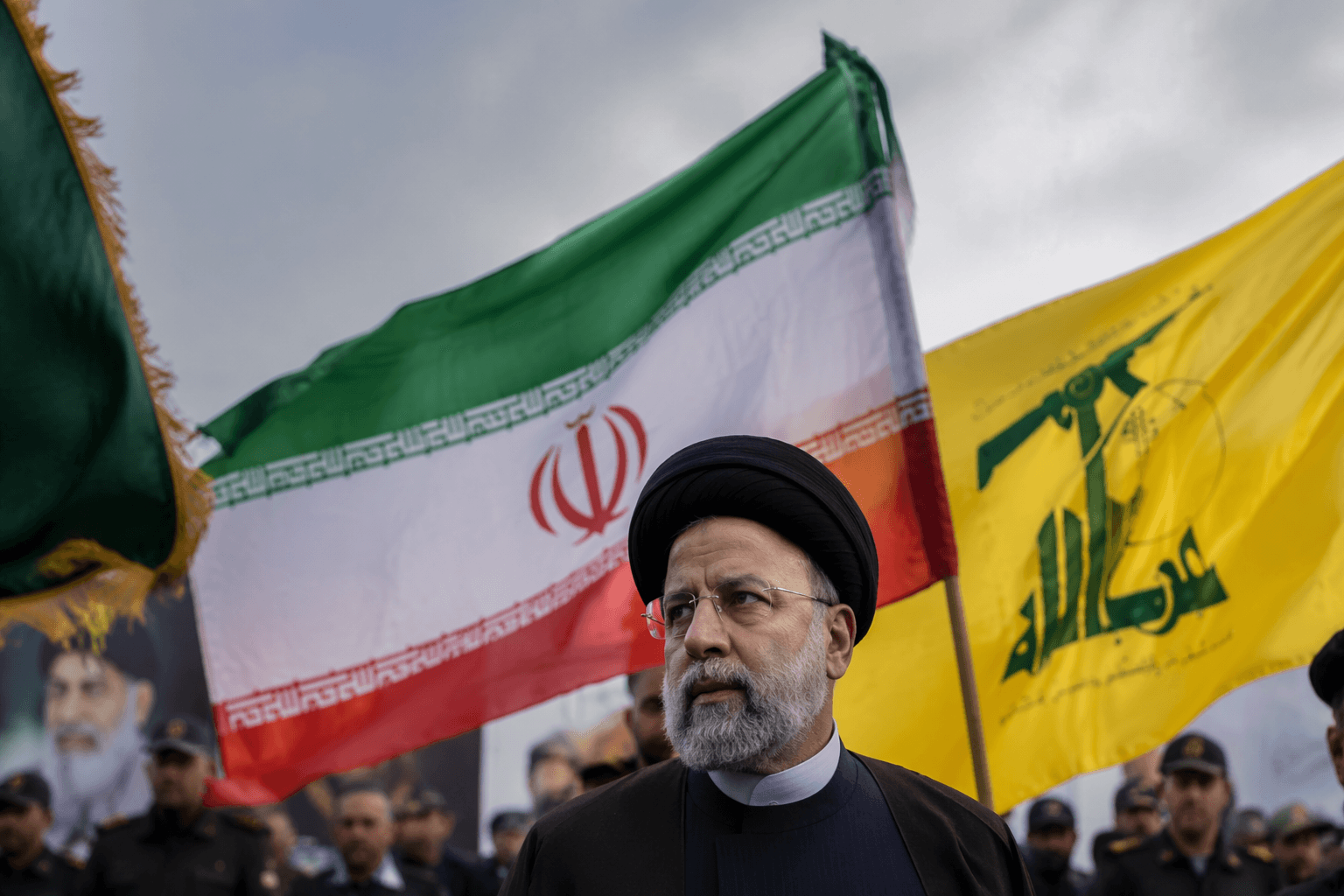
The consequences for Lebanon have been severe. Israeli strikes in the Bekaa Valley on Feb. 21 killed at least 10 people and wounded 50, including eight Hezbollah fighters and commander Hussein Mohammad Yaghi. President Joseph Aoun called the strikes a breach of sovereignty and urged outside powers to press for an immediate halt. In Beirut, the fallout has spread beyond the battlefield. Thousands fled the city’s southern suburbs after Israel announced renewed strikes in early June, underscoring how quickly the conflict has turned civilian neighborhoods into pressure points.
Prime Minister Nawaf Salam has tried to draw a line against Hezbollah’s autonomy, announcing a ban on the group’s military and security activities after attacks on Israel in March. He has also said there is an absolute rejection of any military or security action launched from Lebanese territory outside state institutions. That stance reflects a government trying to reclaim authority from an armed organization that still operates with its own command structure and external backing.

The toll has only deepened the strategic stakes. Lebanon said Israeli attacks had killed more than 3,400 people since March 2, while Israel said 24 soldiers and four civilians had been killed in the same period. A fresh U.S.-brokered ceasefire understanding reached in early June offered a brief opening, but Hezbollah rejected it and Israel continued operations in the south. The result is a fragile standoff in which Iran’s willingness to sustain Hezbollah may deter some pressure, while also increasing the risk that neither Tehran nor Beirut can fully control the next stage of escalation.
This article was produced by Prism’s automated news system from verified source data, official records, and press releases, then run through automated quality and moderation checks before publishing. The system is built and supervised by the people who set the standards it runs under. Read our full AI policy.
Did this article answer your question?


