Iran bets on Strait of Hormuz leverage in US peace talks
Iran warned that any challenge to Hormuz shipping would raise tensions, putting a cease-fire at the mercy of the world’s most exposed oil chokepoint.
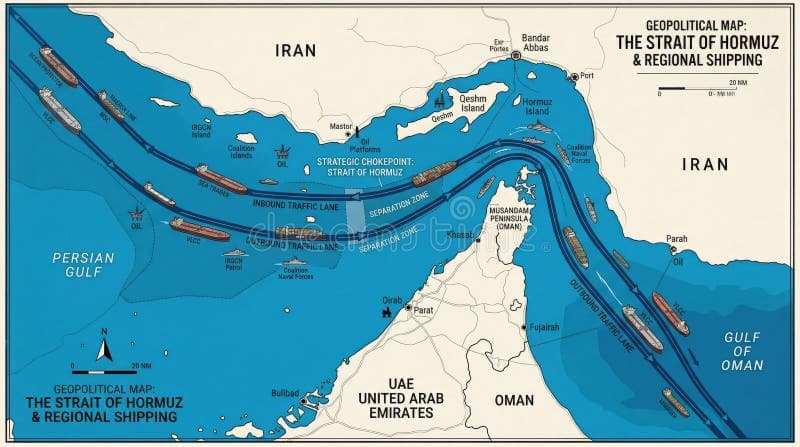
At its narrowest, the Strait of Hormuz is only 29 nautical miles wide, with two 2-mile-wide navigable channels and a 2-mile buffer zone. Iran warned on June 28 that any challenge to shipping routes through the strait would increase tensions. The waterway carried about 20 million barrels a day of crude oil and oil products in 2025. The warning came after days of bargaining over how navigation would be managed in the strait, including whether maritime services and costs would be treated as tolls.
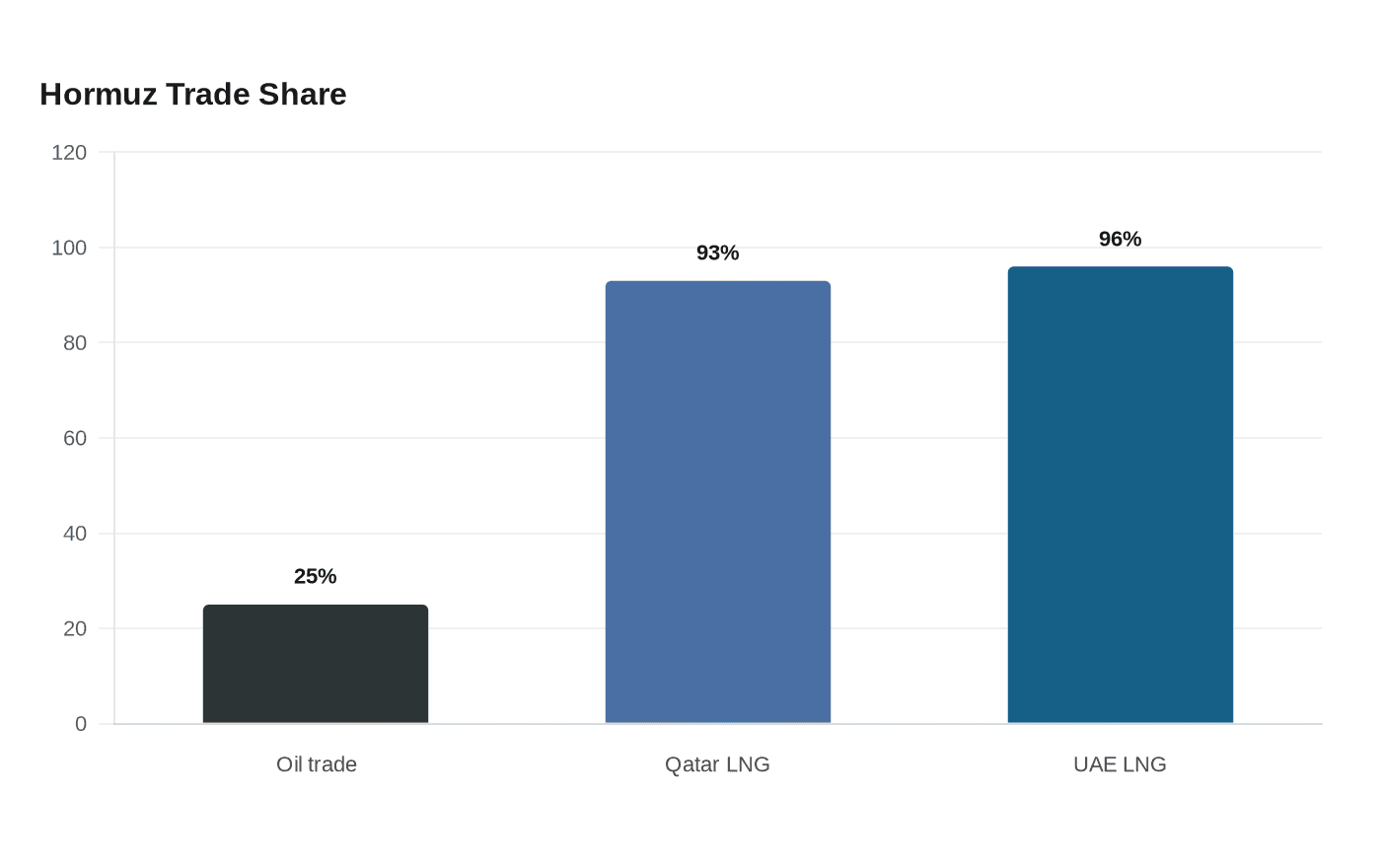
About 25% of the world’s seaborne oil trade moved through it last year, along with about 93% of Qatar’s LNG exports and 96% of the United Arab Emirates’ LNG exports. It is the main export route for Iran, Iraq, Kuwait, Qatar and Bahrain, and a prolonged shutdown would also strand a major share of global liquefied natural gas trade.
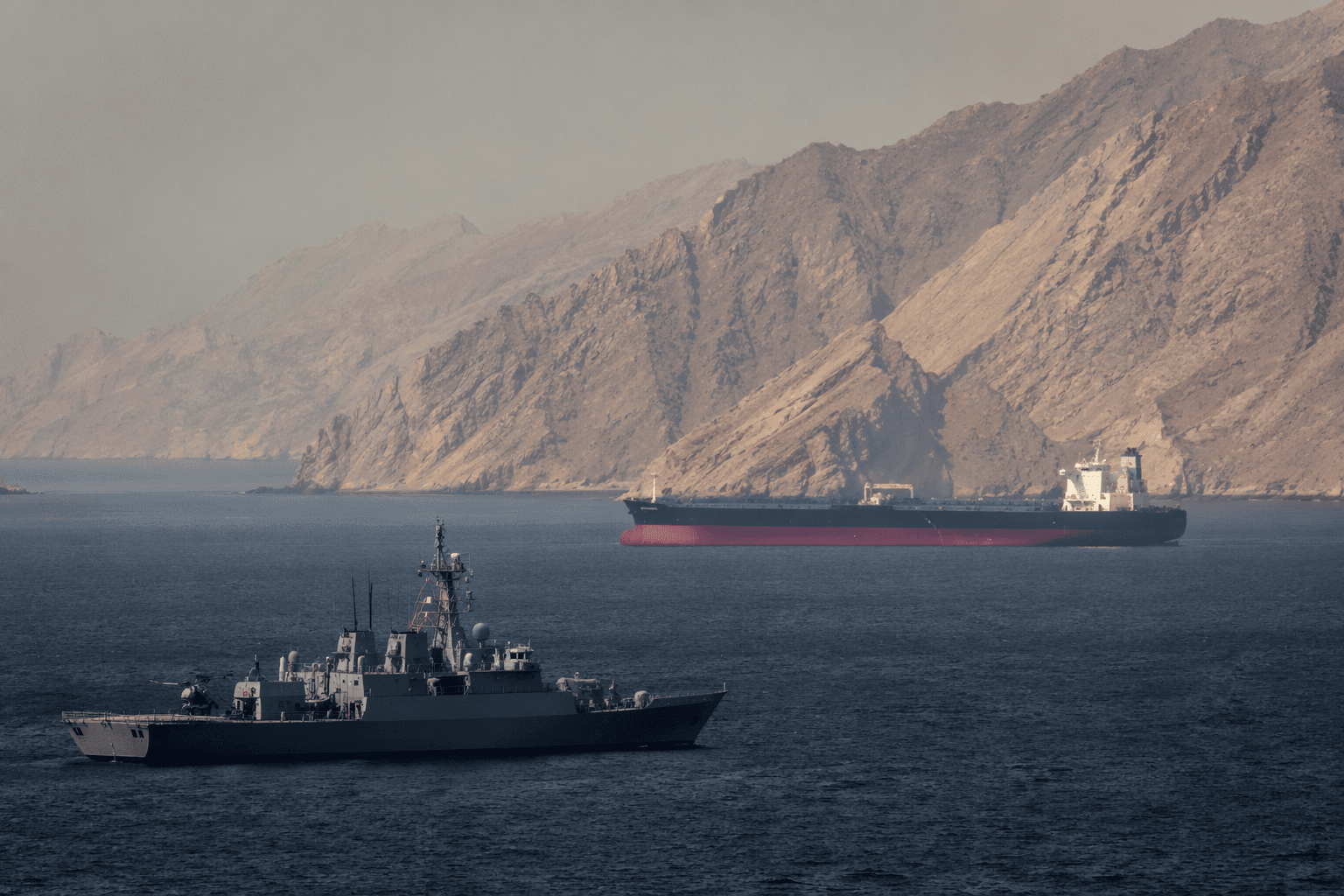
Washington and Tehran were still working through the details with Oman in late June, even as Iran continued to assert its right to control shipping in the waterway. On June 26, the U.S. military struck Iran after an Iranian drone strike on a cargo ship in the strait, and both sides accused the other of violating the cease-fire agreed the previous week.
As tanker traffic improved, Brent crude fell to about $71.99 a barrel and West Texas Intermediate to about $69.23 on June 26. Some ships also used a new route promoted by a United Nations maritime agency.
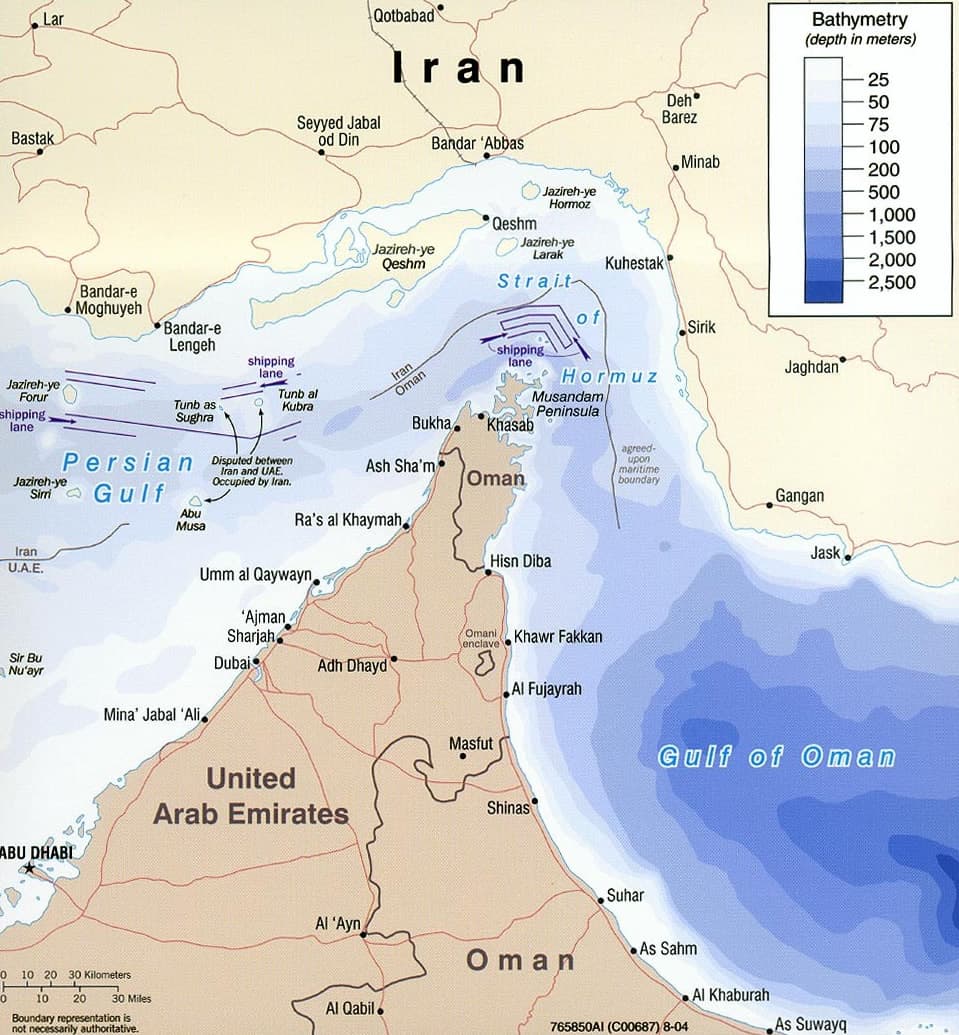
By the International Energy Agency’s assessment, the disruption to flows through Hormuz is the largest supply disruption in the history of the global oil market, and the combined impact on energy security is “the greatest threat to global energy security in history.” The International Energy Agency puts the reroutable pipeline capacity at between 3.5 million and 5.5 million barrels a day, though Saudi Arabia and the UAE have some alternative export routes.
The IEA members agreed on March 11 to their largest-ever emergency oil stock release, the sixth in the agency’s history. On June 17, the IEA forecast global oil demand would fall by 1.1 million barrels a day year on year in 2026 after a sharp second-quarter drop tied to higher fuel prices and disruptions.
This article was produced by Prism’s automated news system from verified source data, official records, and press releases, then run through automated quality and moderation checks before publishing. The system is built and supervised by the people who set the standards it runs under. Read our full AI policy.
Did this article answer your question?


