Venezuelans race to find survivors as quake death toll tops 1,400
Neighbors in Caracas dug with drills and hammers as the quake toll climbed above 1,400, while the critical 72-hour rescue window slipped away.

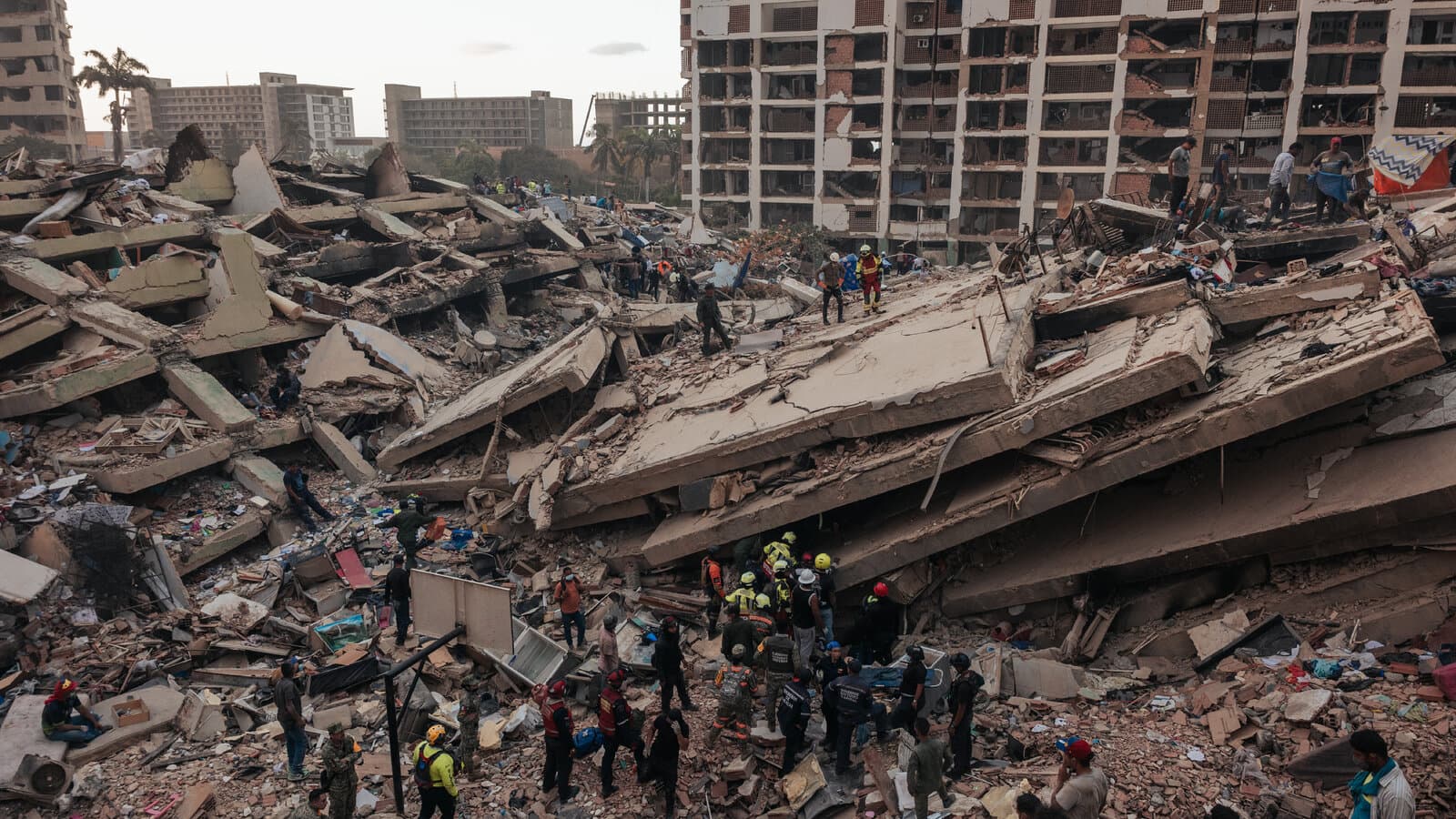
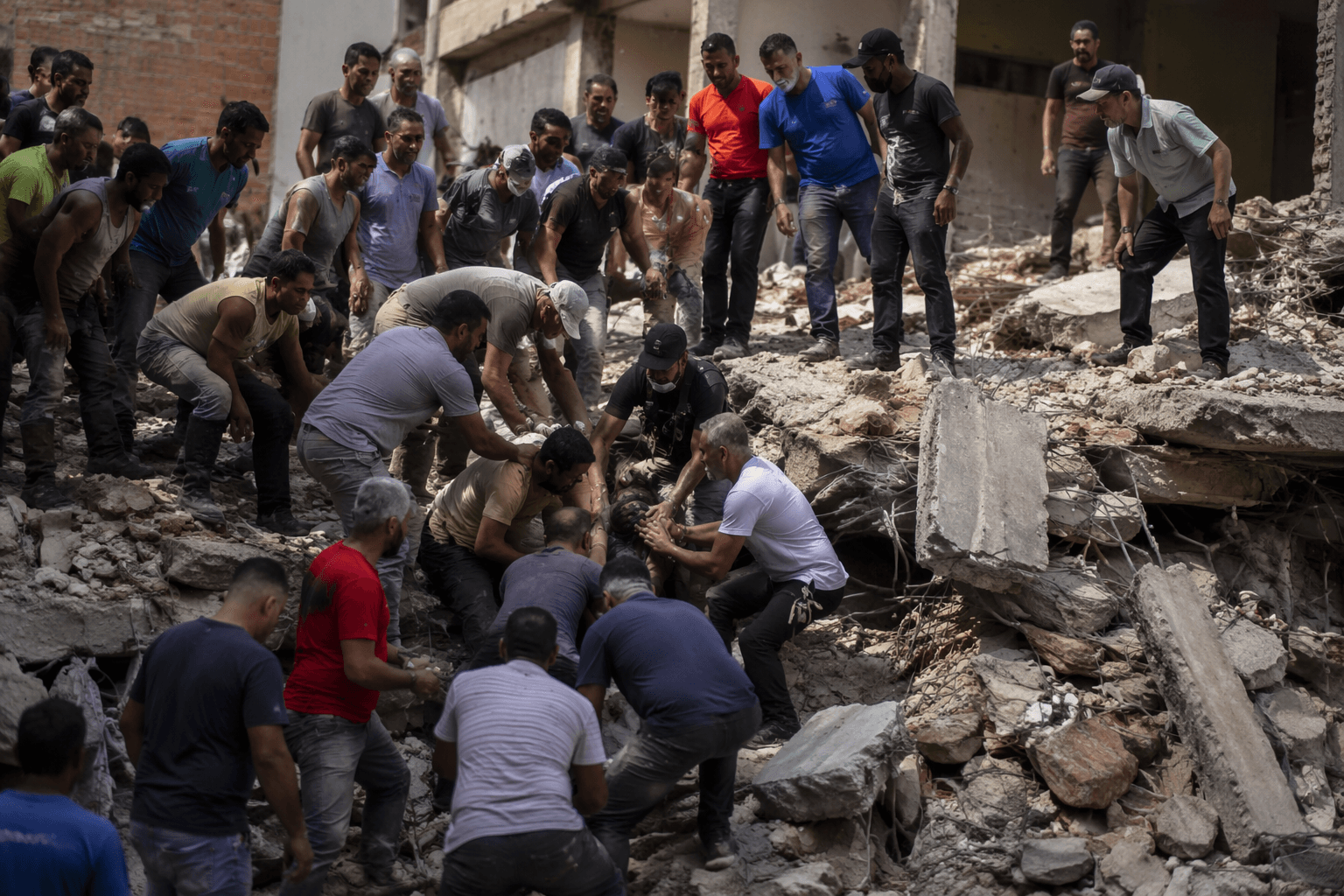
Volunteers in Caracas used drills, picks and hammers to punch through slabs of concrete on Saturday as the death toll from Venezuela’s twin earthquakes climbed above 1,400 and formal rescue capacity struggled to keep pace with the damage. In middle-class neighborhoods and coastal towns alike, residents worked beside firefighters, soldiers and foreign teams to search for survivors and recover bodies from the rubble.
The earthquakes struck northern Venezuela on Wednesday, June 24, with magnitudes of 7.2 and 7.5 about 39 seconds apart, roughly 160 km, or 100 miles, west of Caracas. The stronger tremor was the country’s most powerful since 1900, and hundreds of aftershocks continued to rattle the region as the search widened across Caracas, La Guaira, Caraballeda and Los Corales.
The scene in neighborhoods such as Altamira and Los Palos Grandes showed how much of the immediate response fell to civilians. Families and volunteers arrived with their own tools because many could not wait for formal crews to reach them. In several places, people kept clawing through collapsed walls and broken floors while complaining of scant heavy equipment and a limited official presence.
The strain was sharper in a country already weakened by years of economic turmoil, which left infrastructure fragile before the ground began to move. Electricity was scarce in parts of La Guaira, and Caracas airport was closed after suffering damage, complicating the flow of aid, supplies and personnel into the hardest-hit areas.
Officials said more than 1,600 foreign rescuers had arrived by Saturday, with more still on the way, including American rescue teams. But aid agencies have long treated the first 48 to 72 hours after a collapse as the crucial window for finding people alive, and by Sunday that window was narrowing fast. The United Nations said up to 6.76 million people may need shelter, safe water and medical care, while the International Federation of Red Cross and Red Crescent Societies and the United Nations Office for the Coordination of Humanitarian Affairs identified urgent needs as search and rescue, emergency shelter, emergency health care, trauma care and psychosocial support.
The scale of the destruction has drawn comparisons with Venezuela’s worst modern earthquake disaster in 1967, a reminder that the people first forced into action were often the ones closest to the damage, and the least able to wait.
This article was produced by Prism’s automated news system from verified source data, official records, and press releases, then run through automated quality and moderation checks before publishing. The system is built and supervised by the people who set the standards it runs under. Read our full AI policy.
Did this article answer your question?