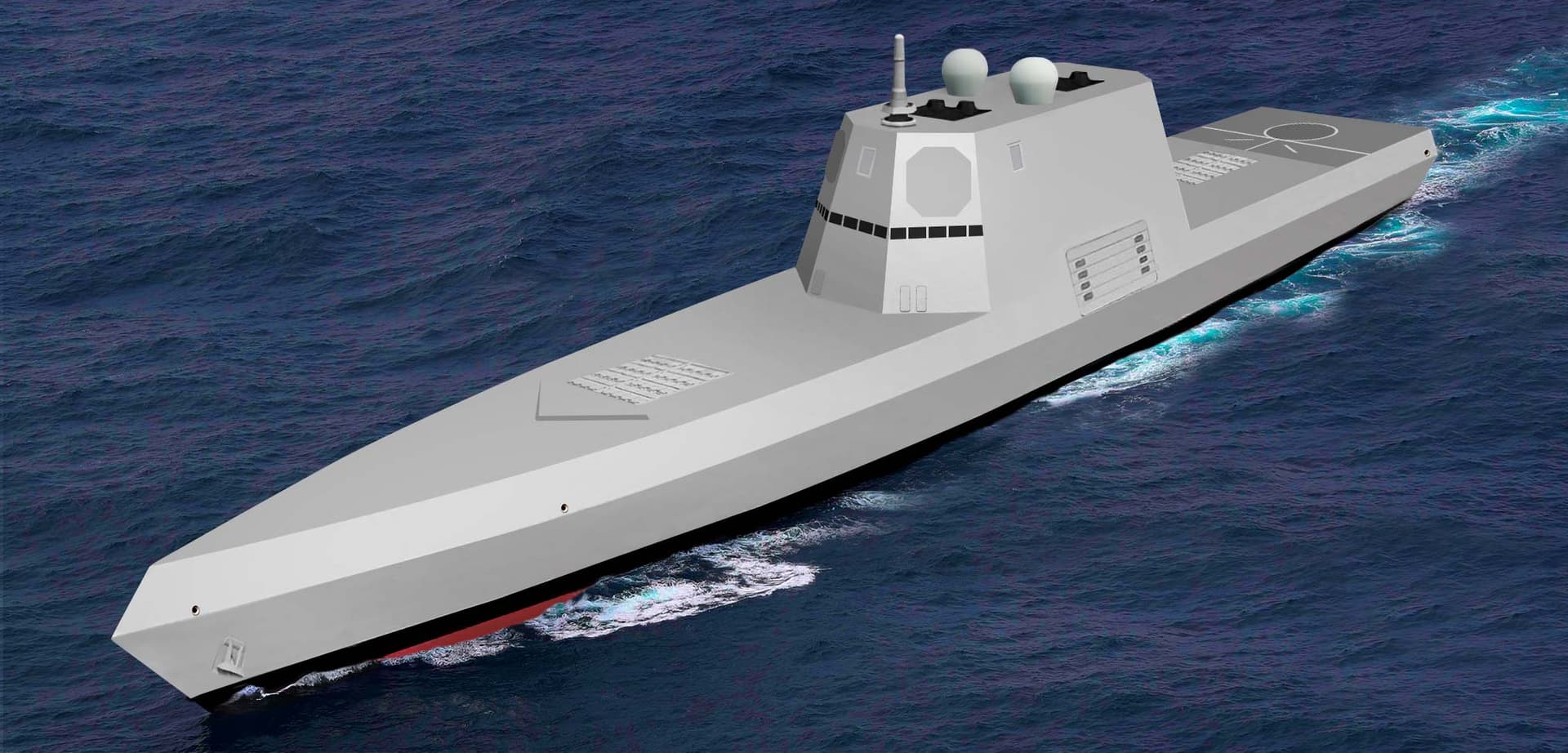
U.S. strikes Iran after drone attack on cargo ship in Strait of Hormuz
U.S. strikes hit Iranian missile and radar sites after a drone attack on the M/V Ever Lovely. Washington says talks with Tehran are still on.
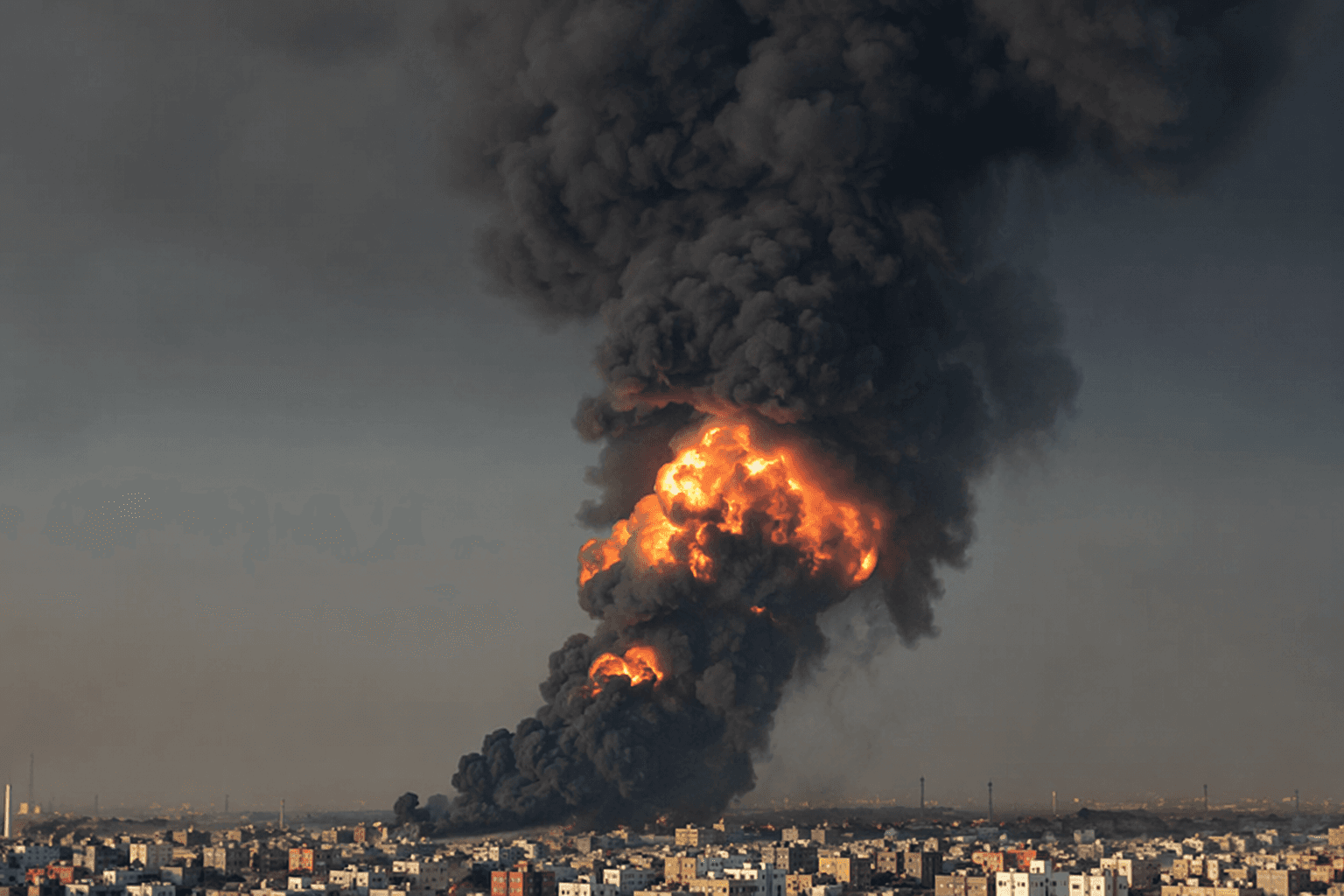
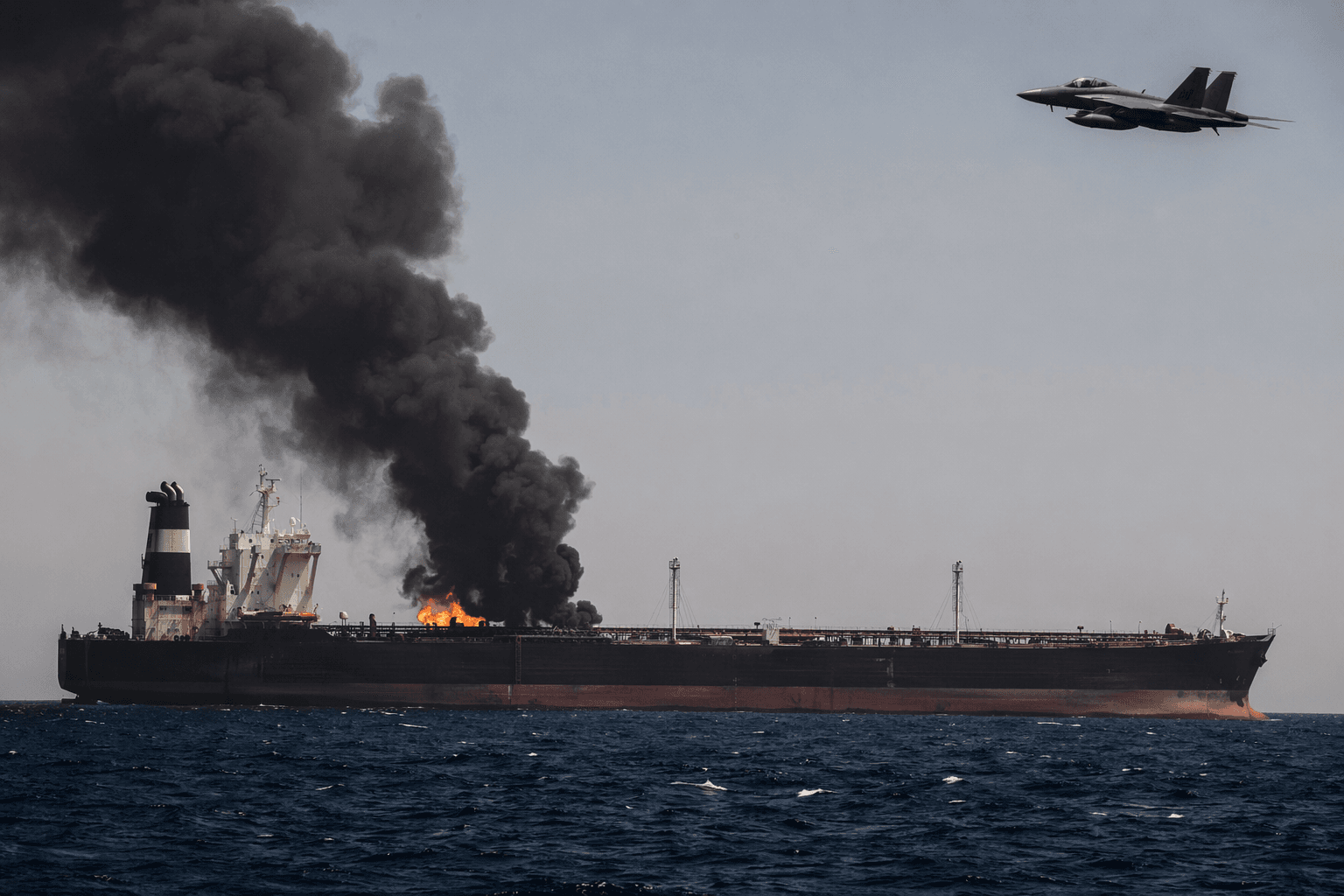
U.S. forces struck targets in Iran after a drone hit the Singapore-flagged M/V Ever Lovely as it exited the Strait of Hormuz along the Omani coast, a move that sharpened the military standoff even as both sides kept diplomatic channels open. U.S. Central Command said aircraft hit missile and drone storage locations and coastal radar sites in Iran after the June 25 attack on the commercial ship.
The decision to strike came with a second message attached: the talks were not over. A senior Trump administration official told ABC News that U.S.-Iran discussions were still planned, no meetings had been canceled, and the two sides were still exchanging messages through deconfliction channels. That leaves Washington and Tehran trying to do two things at once, answering a maritime attack with force while preserving the option of a settlement.
The episode unfolded against a ceasefire already under strain. Reuters reported that the U.S. military action followed mutual accusations that each side had violated a ceasefire agreed on the previous week. The timing is important because both capitals have recently signaled that an agreement to end the war was within reach, even as retaliatory attacks continued to test how much pressure each side would absorb before walking away.
The Strait of Hormuz remains the central pressure point. Any military activity there carries immediate risk for shipping and energy flows, and the fallout has already reached maritime security operations. The United Nations International Maritime Organization paused its ship-escort program through the strait after the attack, underscoring how quickly a single strike can alter the movement of commercial traffic through one of the world’s most vital chokepoints.
Regional governments moved quickly to condemn the aerial attacks after the U.S. strikes. Bahrain and Kuwait publicly denounced the escalation, reflecting how even limited exchanges around the strait can reverberate across the Gulf. For now, the pattern is one of controlled coercion: military blows delivered alongside active back-channel diplomacy, with both sides still drawing red lines around the same narrow waterway that can widen the conflict if either side decides the other has gone too far.
This article was produced by Prism’s automated news system from verified source data, official records, and press releases, then run through automated quality and moderation checks before publishing. The system is built and supervised by the people who set the standards it runs under. Read our full AI policy.
Did this article answer your question?