Venezuela quake death toll climbs as rescue teams race to find victims
Venezuela's quake toll passed 920 dead and 3,360 injured as families searched hospitals and morgues for relatives, with hundreds still trapped in rubble.
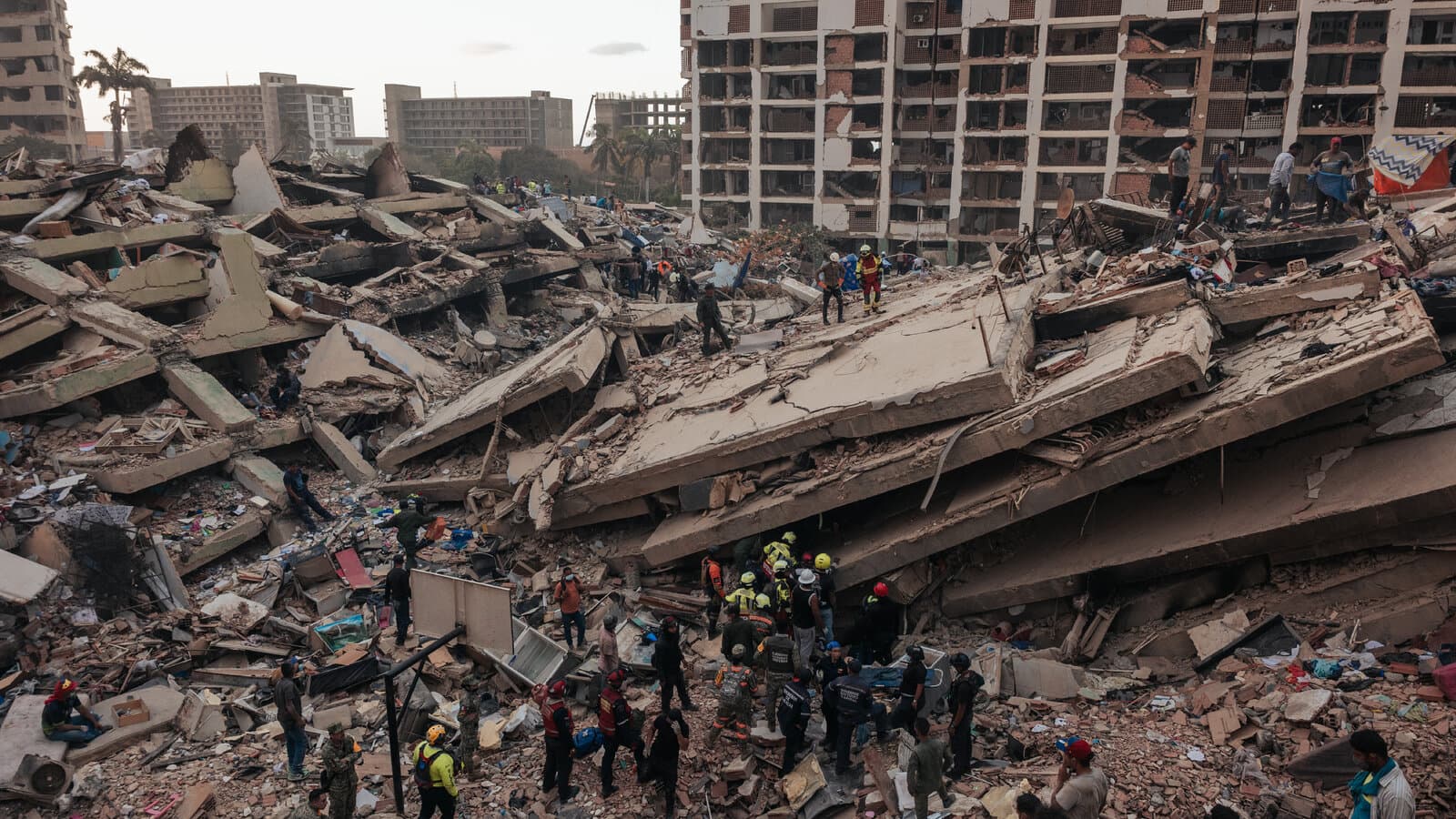
A magnitude 7.2 earthquake struck northern Venezuela on Wednesday, June 24, 2026, about 160 kilometers west of Caracas, and less than a minute later a magnitude 7.5 tremor followed, according to the U.S. Geological Survey. Rescue crews kept digging through collapsed buildings around Caracas and La Guaira. Official counts rose to 920 dead and 3,360 injured, and the toll climbed above 1,400 the next day. Hundreds of people remained trapped under rubble, and families were moving between hospitals and morgues trying to identify relatives whose bodies were badly crushed in the collapse.
The shaking tore through neighborhoods in and around the capital and the coastal city of La Guaira, collapsing hundreds of buildings and leaving thousands homeless. The quakes were among the strongest to hit Venezuela in more than a century.
The death toll moved sharply over the first two days. Authorities first put it at at least 164 dead and 971 injured on Thursday, June 25. Later that same day, Jorge Rodríguez, president of the National Assembly, put the toll at 188 dead, 1,520 injured and 157 reported missing. By Friday, June 26, officials put the toll higher, and government figures put the number trapped at 172.
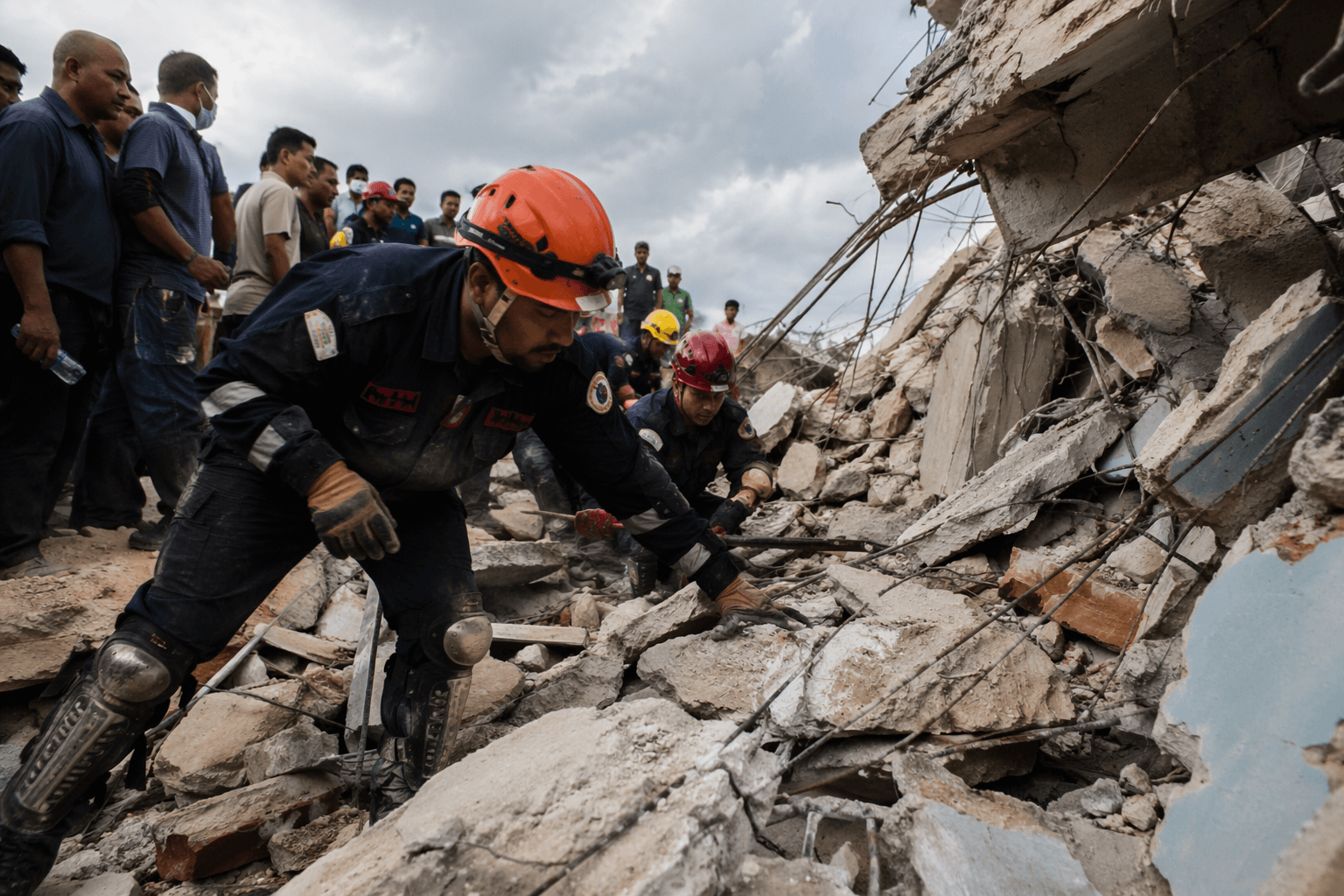
Damaged remains and overloaded recovery teams slowed the process of naming the dead and returning them to families, while some residents used bare hands and rudimentary tools to dig through debris before heavy equipment arrived. More than 50,000 people were missing.
Foreign rescue teams and aid began arriving by Friday, June 26, and United Nations teams supported the response in Caracas and beyond. The Venezuelan government dispatched more than 100 heavy machines to clear debris. Searches continued across shattered neighborhoods.
This article was produced by Prism’s automated news system from verified source data, official records, and press releases, then run through automated quality and moderation checks before publishing. The system is built and supervised by the people who set the standards it runs under. Read our full AI policy.
Did this article answer your question?