Cambodia seeks return of thousands of looted sacred artifacts
Cambodia recovered 74 more looted artifacts from the United Kingdom, adding to a campaign that has brought home works from top U.S. museums and federal agents.
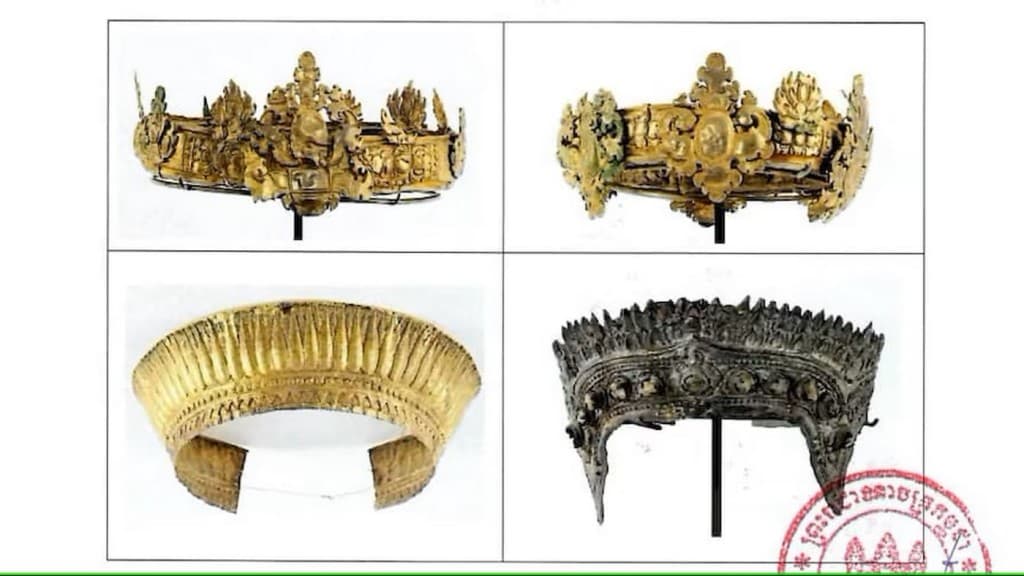
Cambodia added 74 returned artifacts to its recovering national collection in February 2026, receiving sandstone sculptures, bronze works and ritual objects from the United Kingdom under a 2020 agreement with the Latchford family. The handover marked the latest success in a repatriation drive that has already brought back objects from the Metropolitan Museum of Art, U.S. authorities and the Smithsonian National Museum of Asian Art.
The scale of what Cambodia lost is staggering. Thousands of sacred stone, bronze and gold artifacts were stripped from religious sites across the country, from Angkor Wat to remote temples such as Sandak, where empty pedestals and damaged statues still show the damage. Cambodian officials say nearly all of the country’s 4,000 temples have been looted. The theft began nearly a century ago under French colonial rule and accelerated through the 1970s, 1980s and 1990s, when genocide, civil war and political turmoil made temples easy targets for traffickers.
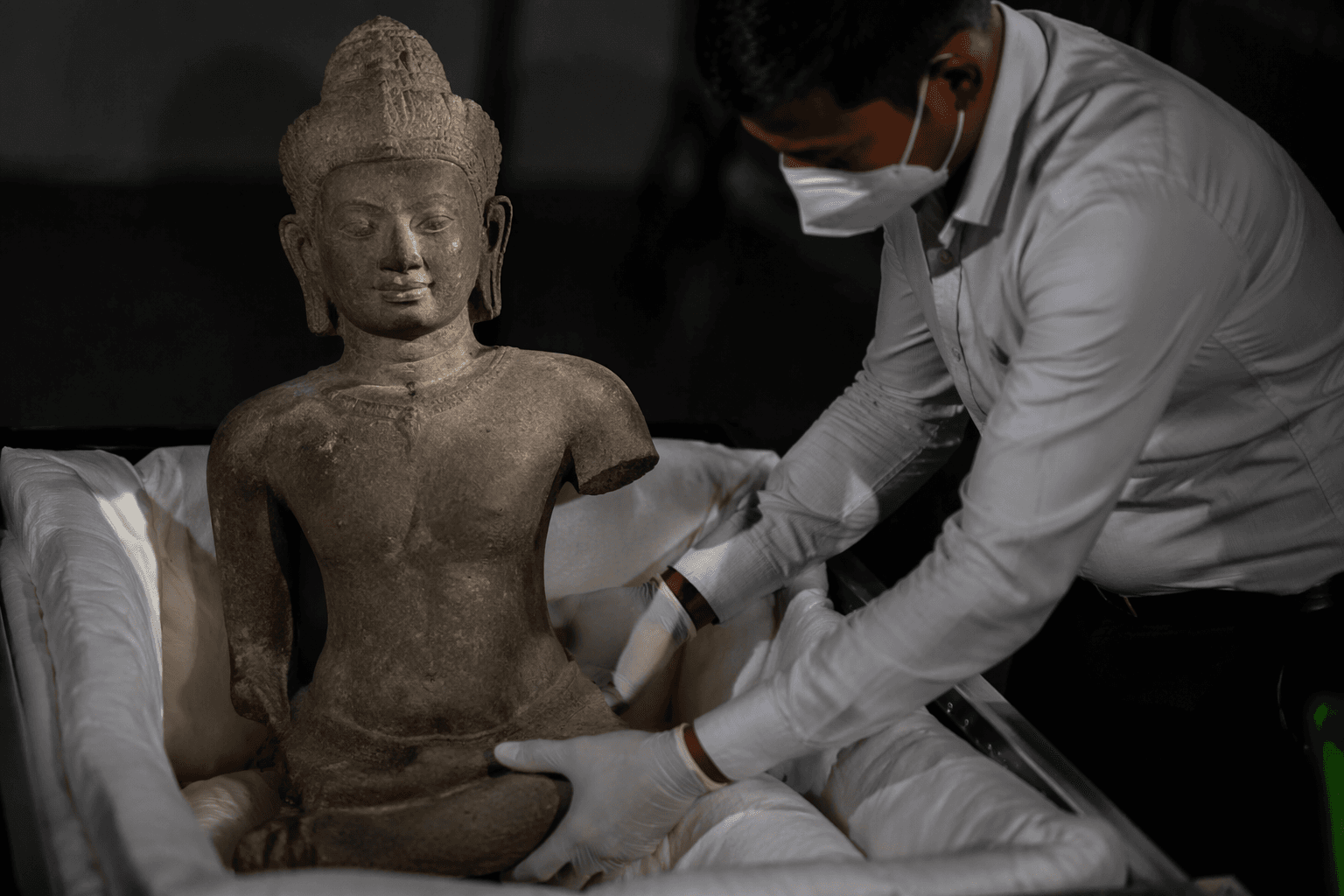
At the center of the case is Douglas Latchford, the British antiquities dealer indicted in the United States in 2019 on wire fraud, smuggling, conspiracy and related charges. Prosecutors said he ran a multi-year scheme to move looted Cambodian antiquities through a vast trafficking network in Southeast Asia and on to collectors and institutions abroad. Cambodia has answered that market with a mix of negotiations, voluntary returns, seizures and legal proceedings, pursuing objects that resurfaced in major museums and private collections in the United States, the United Kingdom and elsewhere.
Bradley J. Gordon, an American lawyer with Edenbridge Asia, has worked with the Cambodian government on the recovery effort for more than a decade. In interviews and university profiles, he has framed the campaign as an attempt to right a historical wrong and bring back objects pilfered from religious sites. The effort has also depended on unusual allies, including former looters and confidential informants such as Toek Tik, a former child soldier in the Khmer Rouge era who later helped track artifacts before his death.
For Cambodia’s Ministry of Culture and Fine Arts, the returns carry more than monetary value. Officials have called the objects “living witnesses” to Khmer civilization and have said they restore cultural heritage and historical justice, with some statements describing the pieces as the “souls” of Khmer ancestors. The returns from the Metropolitan Museum of Art in 2024, the 33 antiquities handed over by U.S. authorities in 2023 and the Smithsonian’s three sculptures in December 2025 show how provenance research, diplomacy and law-enforcement cooperation have become the modern playbook for reclaiming stolen history.
This article was produced by Prism’s automated news system from verified source data, official records, and press releases, then run through automated quality and moderation checks before publishing. The system is built and supervised by the people who set the standards it runs under. Read our full AI policy.
Did this article answer your question?