Iran Ceasefire Deal Shifts How the World Views America
Pakistan brokered the Iran ceasefire after traditional US allies refused to join the war, marking a stark realignment of American diplomatic relationships globally.
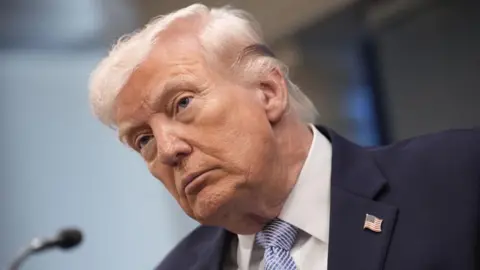
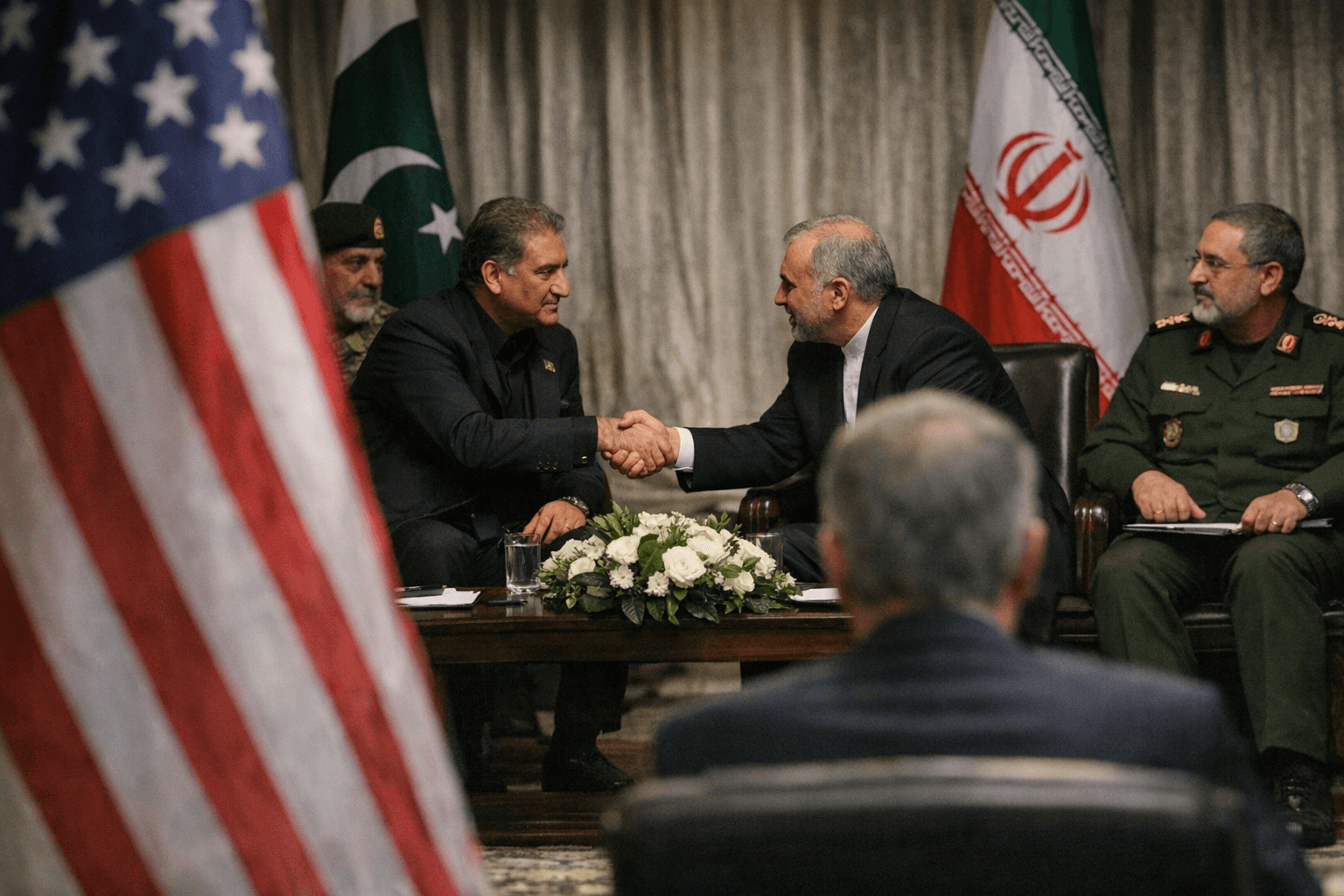
A two-week ceasefire struck between the United States and Iran on April 7, just hours before President Trump's self-imposed 8 p.m. ET deadline, revealed as much about America's standing in the world as it did about the terms of the deal itself. The agreement, mediated not by a NATO ally or a traditional Western partner but by Pakistani Prime Minister Shehbaz Sharif and Field Marshal Asim Munir, exposed a sweeping realignment in who Washington turns to, and who is willing to answer.
The ceasefire suspended all U.S. strikes against Iran, though officials noted it might take time for the order to filter down to the lower ranks of the Revolutionary Guards. Trump posted on Truth Social that the deal was based on Iran's 10-point peace proposal, which he called "a workable basis on which to negotiate," and credited conversations with Sharif and Munir as the turning point. Iran's Foreign Minister Abbas Araghchi said Iran would also stop its defensive operations as long as Israel and the United States stopped their attacks, and that Iranian armed forces would facilitate safe passage through the Strait of Hormuz for the two-week period.
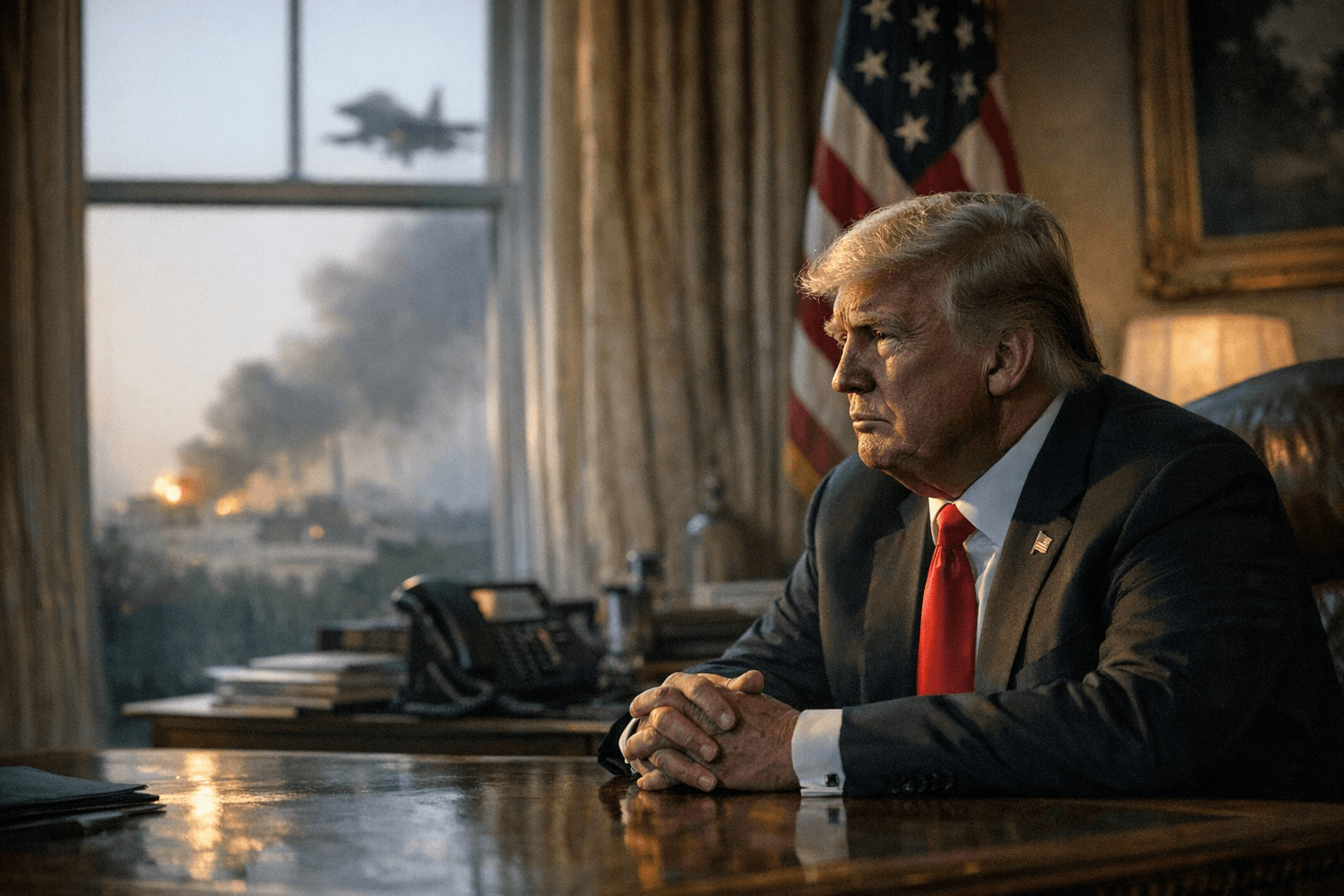
Trump's most extreme rhetoric had reached a peak earlier that day when he warned, "A whole civilization will die tonight, never to be brought back again," if Iran failed to make a deal that included reopening the vital strait. The White House framed the outcome as a victory. Press Secretary Leavitt said in a statement, "The truth is that President Trump and our powerful military got Iran to agree to reopening the Strait of Hormuz, and negotiations will continue."
But the path to that agreement underscored who was absent as much as who was present. Trump publicly called out longtime allies at a White House news conference: "Japan didn't help us, Australia didn't help us, South Korea didn't help us, and then you get to NATO — NATO didn't help us." He praised Gulf states including Saudi Arabia, Qatar, the UAE, Bahrain, and Kuwait while voicing open frustration with the defense alliance he once again described as a "paper tiger," telling The Telegraph, "I was never swayed by NATO. I always knew they were a paper tiger, and Putin knows that too."
The war in Iran was nevertheless demonstrating Europe's hidden leverage. Without access to European bases, the campaign would have been orders of magnitude more difficult. An outburst at a March 26 White House Cabinet meeting had indicated how bitterly Trump wanted European nations to join the fight directly. They refused. NATO Secretary General Mark Rutte convened a private call with major European leaders flagging serious concern, particularly about the ability to continue purchasing military equipment from the United States to support Ukraine.
Germany's President Frank-Walter Steinmeier, on March 24, had described the U.S.-Israeli military campaign against Iran as a "politically disastrous mistake" and a "violation of international law." Russia and China vetoed a UN Security Council resolution aimed at reopening the Strait of Hormuz, leaving Pakistan, Egypt, and Turkey to carry the diplomatic weight.
Sharif welcomed the ceasefire, saying "both parties have displayed remarkable wisdom," and invited delegations from both countries to Islamabad on April 10 to continue negotiations toward a conclusive agreement. Israeli officials remained skeptical, believing the apparent breakthrough could unravel and lead to further escalation if Iran failed to quickly open the Strait of Hormuz.
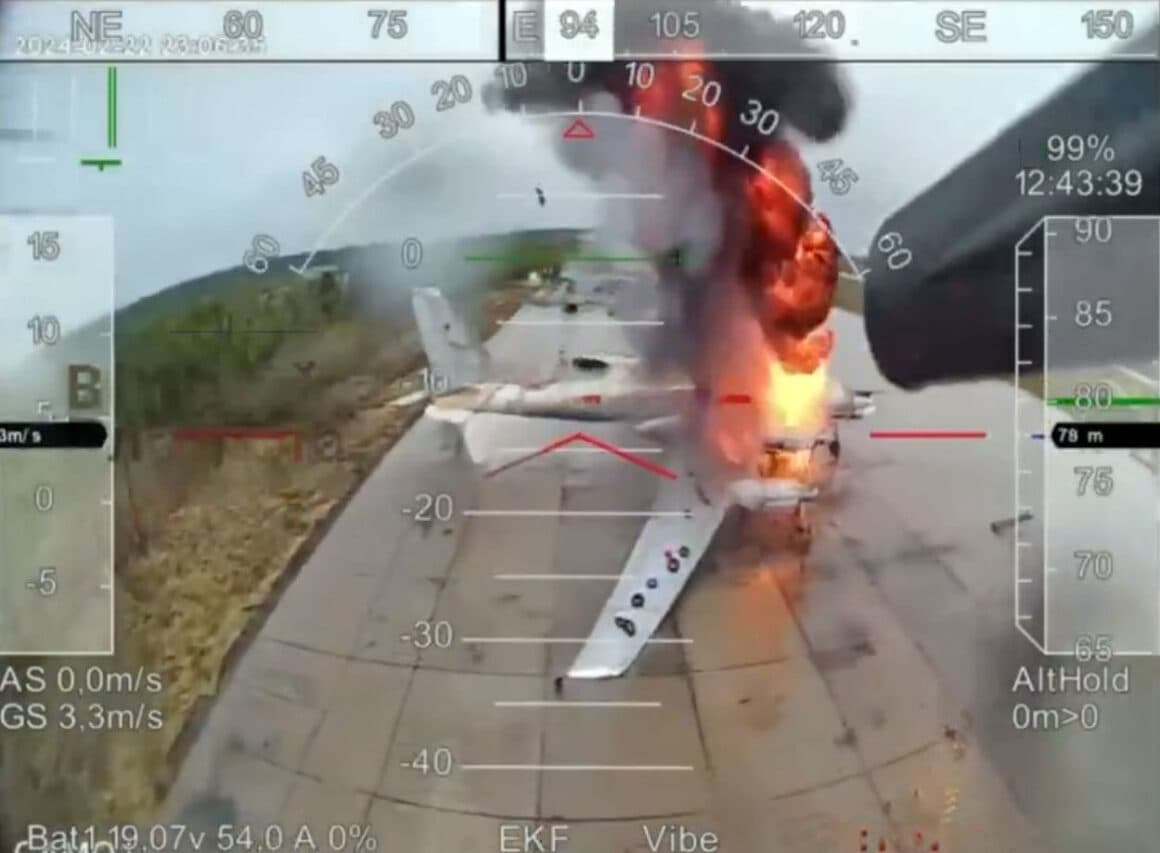
The 39-day conflict, which began when Israel assassinated Supreme Leader Ali Khamenei on February 28 and prompted Iran to close the Strait of Hormuz, had already reshaped energy markets. The EIA sharply raised oil, gasoline, and diesel price forecasts for 2026 and 2027, projecting gas prices to peak at $4.30 a gallon in April. Whether the two-week window produces a durable agreement in Islamabad, the question of who America's reliable partners actually are has already been answered by the silence of its traditional allies and the presence of a Pakistani field marshal at the negotiating table.
Sources:
Know something we missed? Have a correction or additional information?
Submit a Tip