Russian FPV Drone Strikes Civilian Bus in Nikopol, Killing Several During Rush Hour
An FPV drone hit a passenger bus at a city-center stop in Nikopol at 9 a.m., killing four commuters in what officials called deliberate terror against civilians.
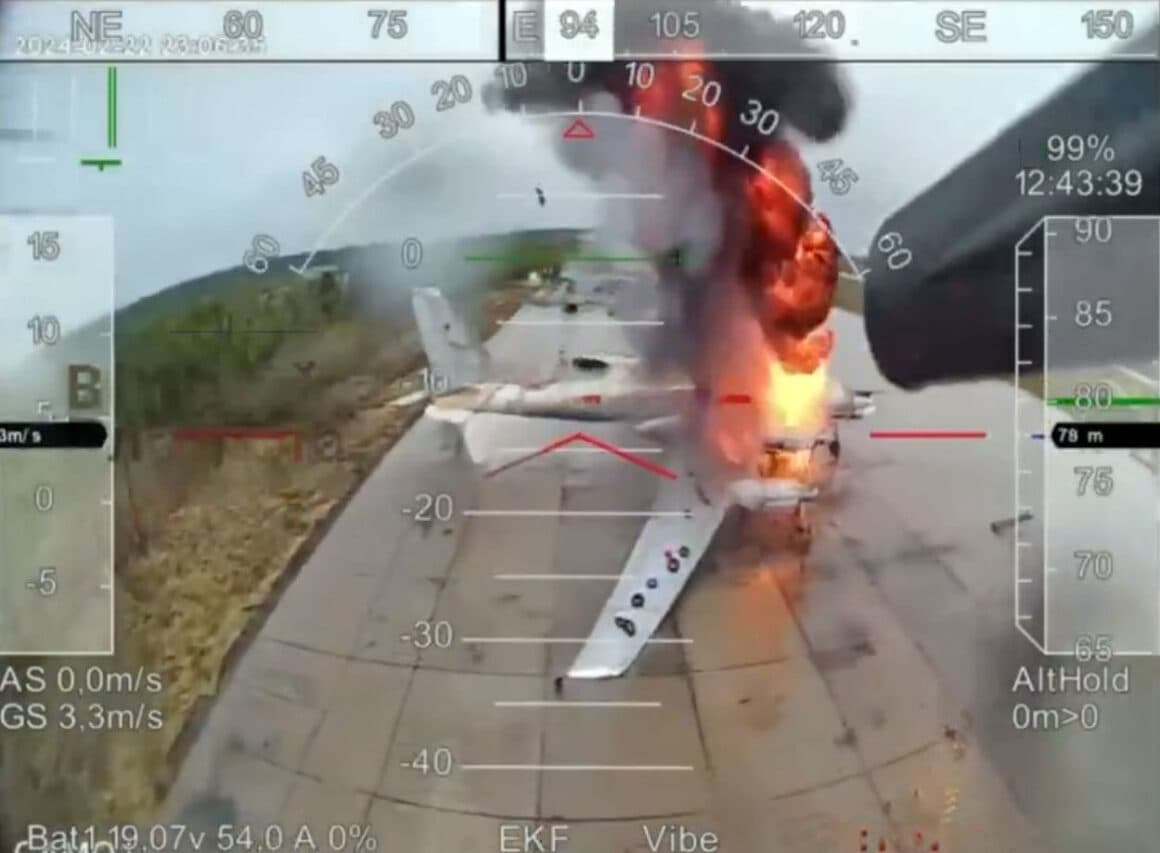
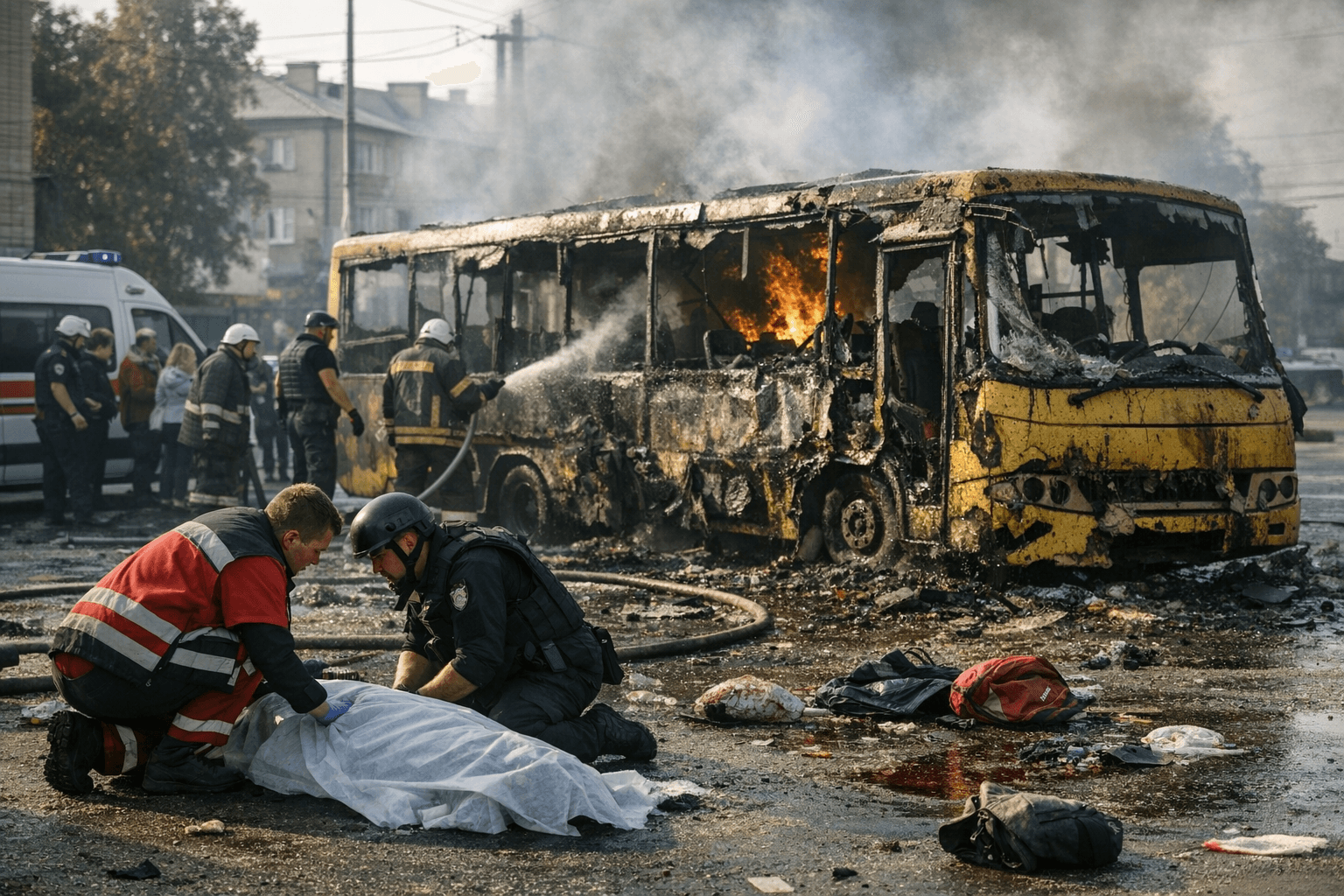
At around 9 a.m., a Russian FPV drone deliberately struck a passenger bus in central Nikopol, Dnipropetrovsk Oblast, killing four people and injuring 15 others. Three of the wounded were listed in critical condition. The attack unfolded as morning commuters were at their most concentrated and most exposed.
The bus was approaching a stop, and people were both inside the cabin and at the stop when the drone made impact. Oleksandr Hanzha, head of the Dnipropetrovsk Oblast Military Administration, confirmed the strike and offered a blunt verdict: "This was not a random strike. This is deliberate terror against civilians."
Nikopol was not the only bus targeted that morning. A second bus came under attack in a neighboring community, injuring five more people. Russian forces had attacked the Dnipropetrovsk region more than ten times overnight before the rush-hour strike. An 11-year-old boy died and five others were wounded when a house caught fire as a result of a separate drone strike. Across Ukraine's southeast, the day's strikes killed nine people and injured more than 51 in total.
The weapon itself is central to understanding why strikes like this are so difficult to prevent. FPV, or first-person-view, drones are piloted remotely by operators watching a live camera feed, giving them real-time visual guidance precise enough to track a moving bus through city streets. Unlike cruise missiles, they are inexpensive to produce, simple to deploy in volume, and small enough to evade radar systems designed for larger threats. Analysts have warned that their proliferation steadily expands the category of viable targets beyond military installations to include buses, markets, and any other place where civilians gather.
One Nikopol resident captured the fear settling over her city shortly after the attack. "It's very scary because the buses are full of people going to work," she said. "Just imagine how many victims there would be from just one strike. We don't know how to live here."
Ukraine's Interior Minister Ihor Klymenko confirmed the strike via Telegram. The attack on public transportation occurred during rush hour as people were heading to work, and Kyiv used the incident to renew calls for accelerated delivery of counter-drone systems and short-range air-defense equipment from Western allies, emphasizing the near-impossibility of shielding exposed urban populations from low-cost, precision-guided munitions available in mass quantities.
Ukrainian authorities said they would gather forensic evidence from the attack site and submit documentation to international bodies investigating potential violations of the laws of armed conflict. Moscow has consistently denied deliberately targeting civilians, a position that grows harder to sustain as operators visually guide drones into the sides of city buses during morning rush hour. The April 7 strike in Nikopol adds to a case file that war-crimes investigators have been building for more than four years.
This article was produced by Prism’s automated news system from verified source data, official records, and press releases, then run through automated quality and moderation checks before publishing. The system is built and supervised by the people who set the standards it runs under. Read our full AI policy.
Did this article answer your question?


