Iran ceasefire nears expiry as Pakistan seeks to revive talks
Pakistan is racing to pull Iran and the United States back to Islamabad as a two-week ceasefire expires Wednesday, with Trump signaling he may not extend it.
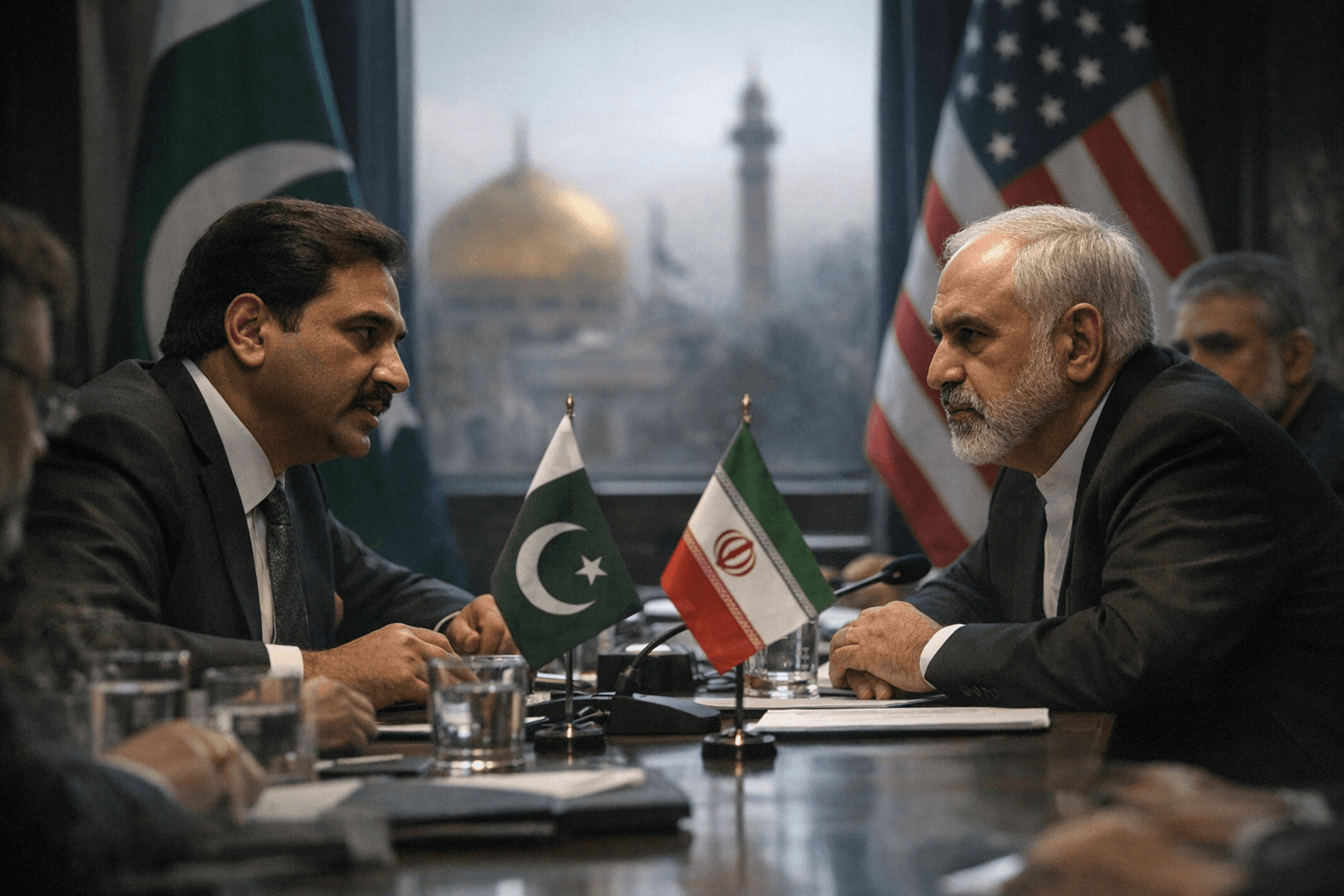
The ceasefire between Iran and the United States is running down with little sign of certainty, and the next 48 hours will decide whether Pakistan can turn a fragile pause into a longer diplomatic track or watch the deal collapse under its own deadline. The two-week agreement announced on April 8 was set to expire Wednesday, April 22, while the status of a second round of talks in Islamabad remained unsettled.
Pakistan has spent the final stretch shuttling between Washington and Tehran, trying to keep both sides inside a negotiation structure that was already narrow. Reuters reported Monday that Iran was weighing whether to attend talks in Pakistan, but a senior Iranian official said no final decision had been made. Other reports said Islamabad had been preparing for multi-day negotiations, with Vice President JD Vance expected to lead the American delegation alongside special envoy Steve Witkoff and Jared Kushner.
The stakes are larger than the calendar suggests. The first ceasefire came only after Iran rejected a 45-day proposal and pushed instead for a permanent end to the war. The framework was also tied to reopening the Strait of Hormuz, the critical shipping route that carries a huge share of the world’s oil and gas traffic. If the talks move forward in Islamabad, that would signal the ceasefire is still alive and that both governments are willing to keep the channel open.
If they do not, the signs of collapse will be plain: no Iranian delegation in Islamabad, no agreed agenda, and no indication from President Donald Trump that he will stretch the truce again. Trump has already said he is unlikely to extend the ceasefire, making Wednesday’s deadline more than a procedural marker. It is the moment when diplomacy either hardens into a broader negotiation or slips back toward confrontation.
The pressure is not only overseas. A breakdown would sharpen questions in Washington about whether the White House is prepared for a renewed crisis over Iran, U.S. military posture, and the security of Gulf shipping. For regional governments watching the Strait of Hormuz, the next move out of Islamabad may matter as much as the deadline itself.
Know something we missed? Have a correction or additional information?
Submit a Tip