Iran close to deal for China’s CM-302 missiles, widening naval threat by 290 km
Six people familiar with talks say Iran is near a deal to buy Chinese CM-302 supersonic anti-ship missiles; U.S. carriers are deployed nearby, raising regional tensions.
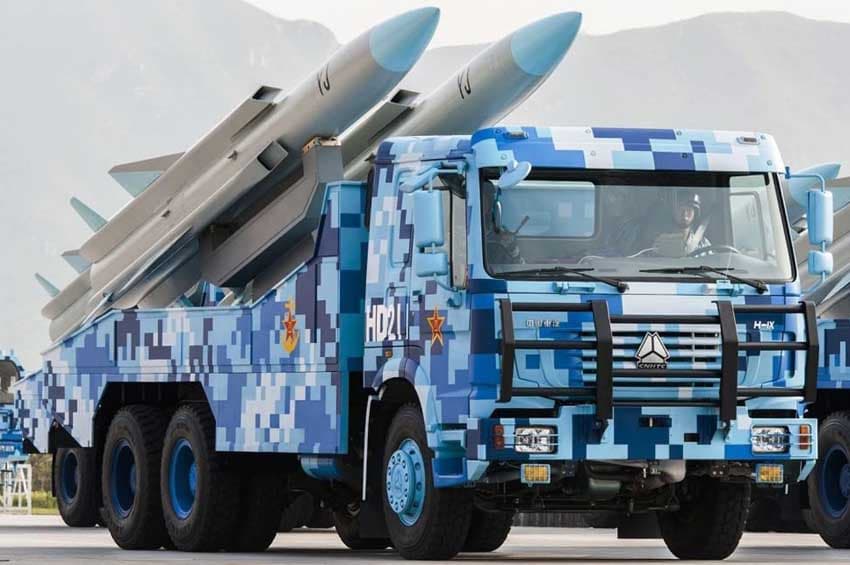
Iran is close to finalizing a deal to purchase Chinese-made CM-302 supersonic anti-ship cruise missiles, six people with knowledge of the negotiations said, a transfer that would give Tehran weapons with a roughly 290-kilometre reach and the ability to fly low and fast to evade shipborne defenses.
The sources, who included three officials briefed by the Iranian government and three security officials, said talks began at least two years ago and accelerated after a 12-day confrontation in June. As negotiations entered their final stages last summer, senior Iranian military and government officials traveled to China, and two security officials said Deputy Defence Minister Massoud Oraei made a trip that had not been previously reported.
China Aerospace Science and Industry Corporation markets the CM-302 as “the world’s best anti-ship missile, capable of sinking an aircraft carrier or destroyer,” and the weapon can be mounted on ships, aircraft or mobile ground vehicles, the sources said. The system “can also take out targets on land,” they added. CASIC did not respond to a request for comment.
Two weapons experts told the sources that deployment of the CM-302 would significantly enhance Iran’s strike capabilities and pose a threat to U.S. naval forces in the region. The potential transfer would, the sources said, challenge a UN weapons embargo first imposed in 2006 and reimposed 'last September'.
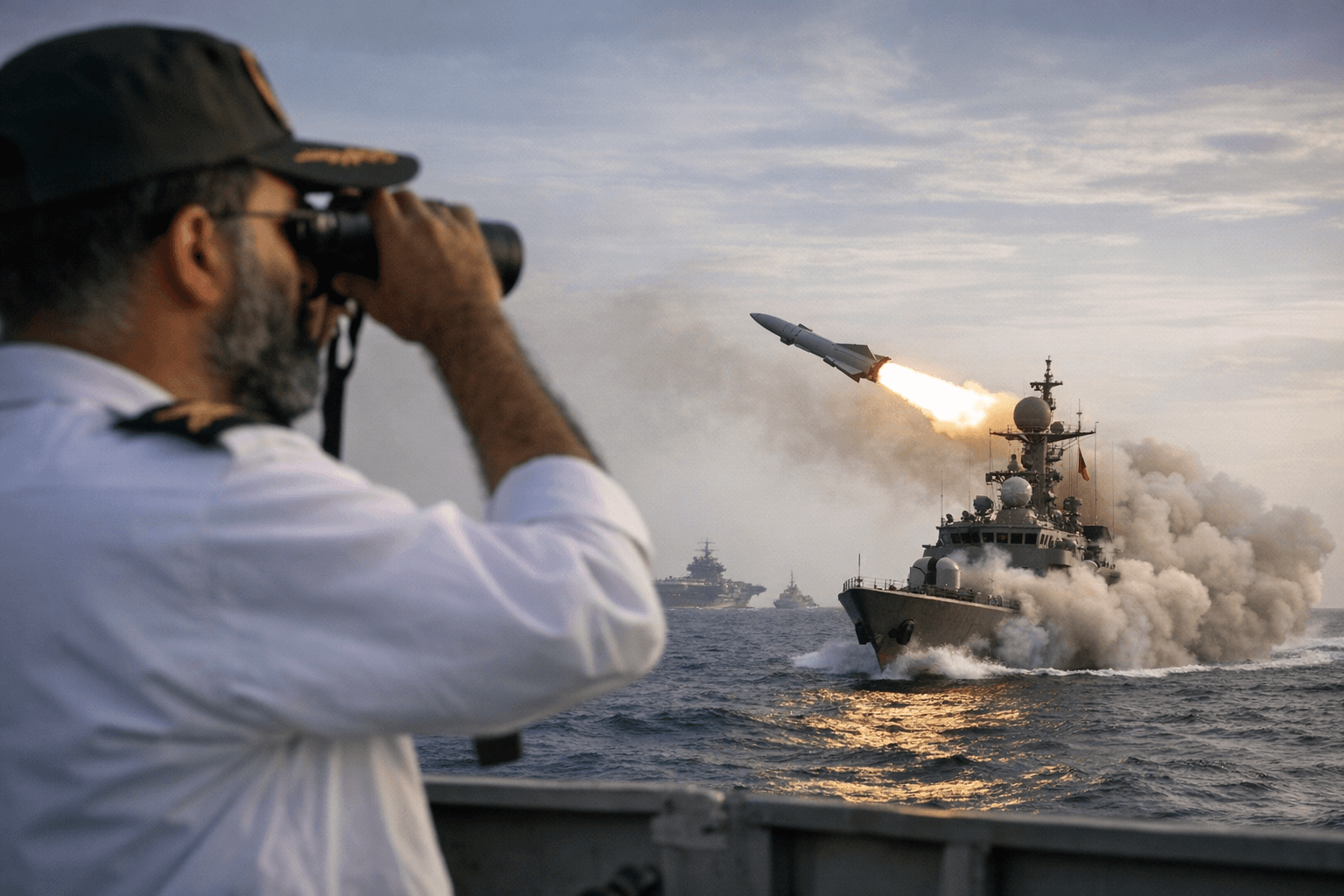
The reported negotiations come as the United States has massed a large naval presence within striking distance of Iran. The U.S. force in the region includes the aircraft carrier USS Abraham Lincoln and its strike group, and the USS Gerald R. Ford and its escorts, the sources said. Together the two carriers can carry more than 5,000 personnel and 150 aircraft. The U.S. administration did not comment directly on the missile deal.
Beyond the CM-302, the six people said Iran is also in discussions with China over surface-to-air missile systems, man-portable air-defense systems, anti-ballistic weapons and anti-satellite capabilities. One official briefed by Iran’s government framed the broader alignment in stark terms: “Iran has become a battlefield between the U.S.” on one side and Russia and China on the other.
Analysts warn that a near-term transfer of supersonic anti-ship missiles to Iran would alter calculations across the Gulf and the wider Indian Ocean, complicating freedom-of-navigation operations, regional trade routes and naval deterrence postures. Citrinowicz, identified by sources as an Israeli specialist on Iran, said: “China does not want to see a pro-Western regime in Iran,” a strategic posture that helps explain Beijing’s interest in deeper security ties.
The deal’s status remains fluid: the sources said it is near completion but that no delivery date has been agreed and it is not clear whether any hardware has been moved. The reporting rests on anonymous participants in the talks; independent verification from Chinese or Iranian authorities was not available at the time, and CASIC did not reply to requests for comment.
If confirmed, the sale would force major powers to confront the legal, diplomatic and security consequences of a large-scale transfer of advanced anti-ship weapons into a region where naval balance and commercial lifelines are tightly interwoven.
This article was produced by Prism’s automated news system from verified source data, official records, and press releases, then run through automated quality and moderation checks before publishing. The system is built and supervised by the people who set the standards it runs under. Read our full AI policy.
Did this article answer your question?