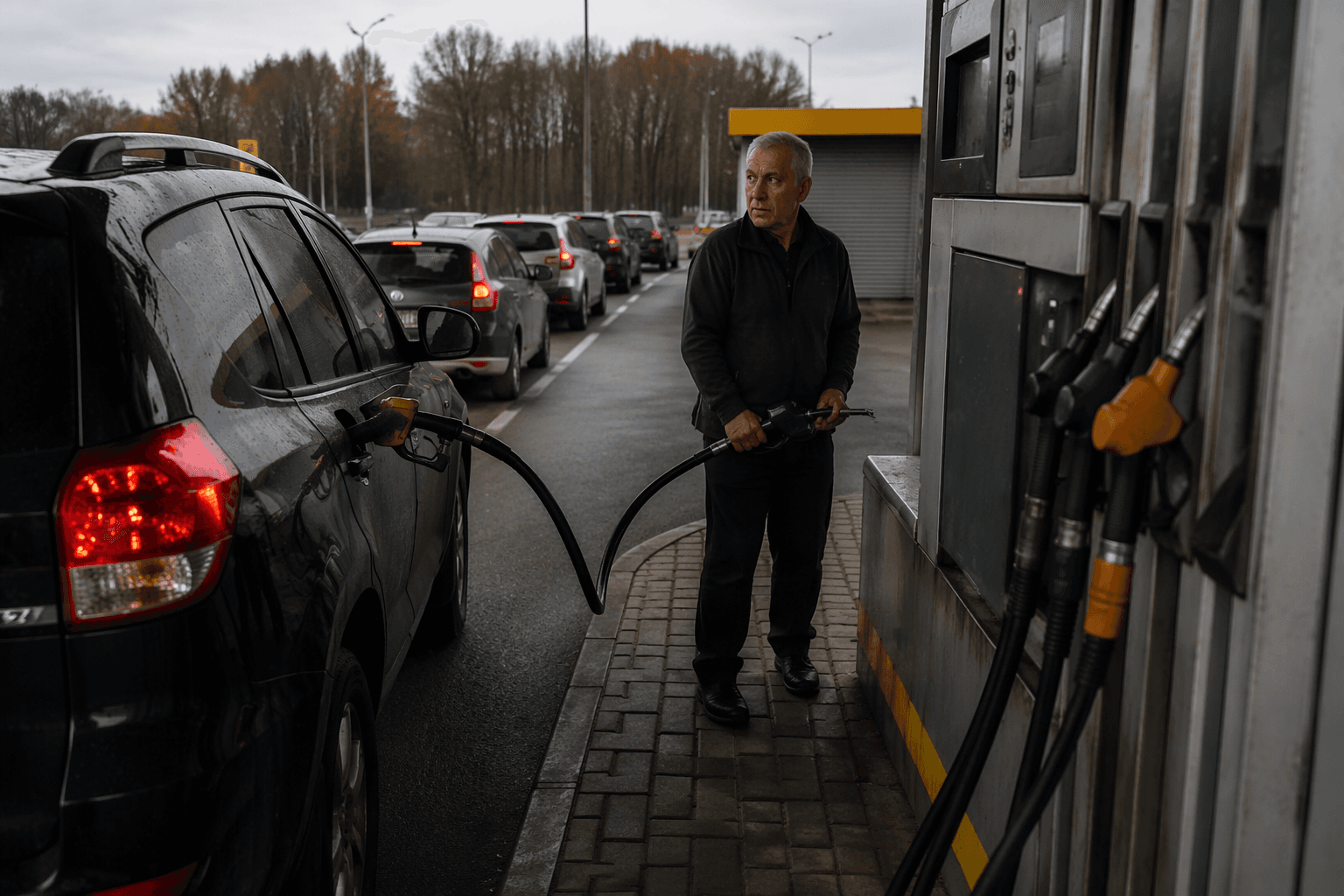
Iran conflict fears push oil prices higher, threatening global economic stability
Gas prices jumped 32% in three weeks as the Iran war entered its second month, with a Kharg Island seizure potentially pushing oil to $200 a barrel.

I actually thought the numbers would be worse," Donald Trump told reporters, appearing alongside Japanese Prime Minister Sanae Takaichi in the Oval Office. The numbers he had in mind were already striking: a 32% surge in nationwide gasoline prices, Brent crude briefly cresting $119 a barrel, and at least 85 countries reporting higher fuel costs since U.S. and Israeli forces struck Iran on February 28.
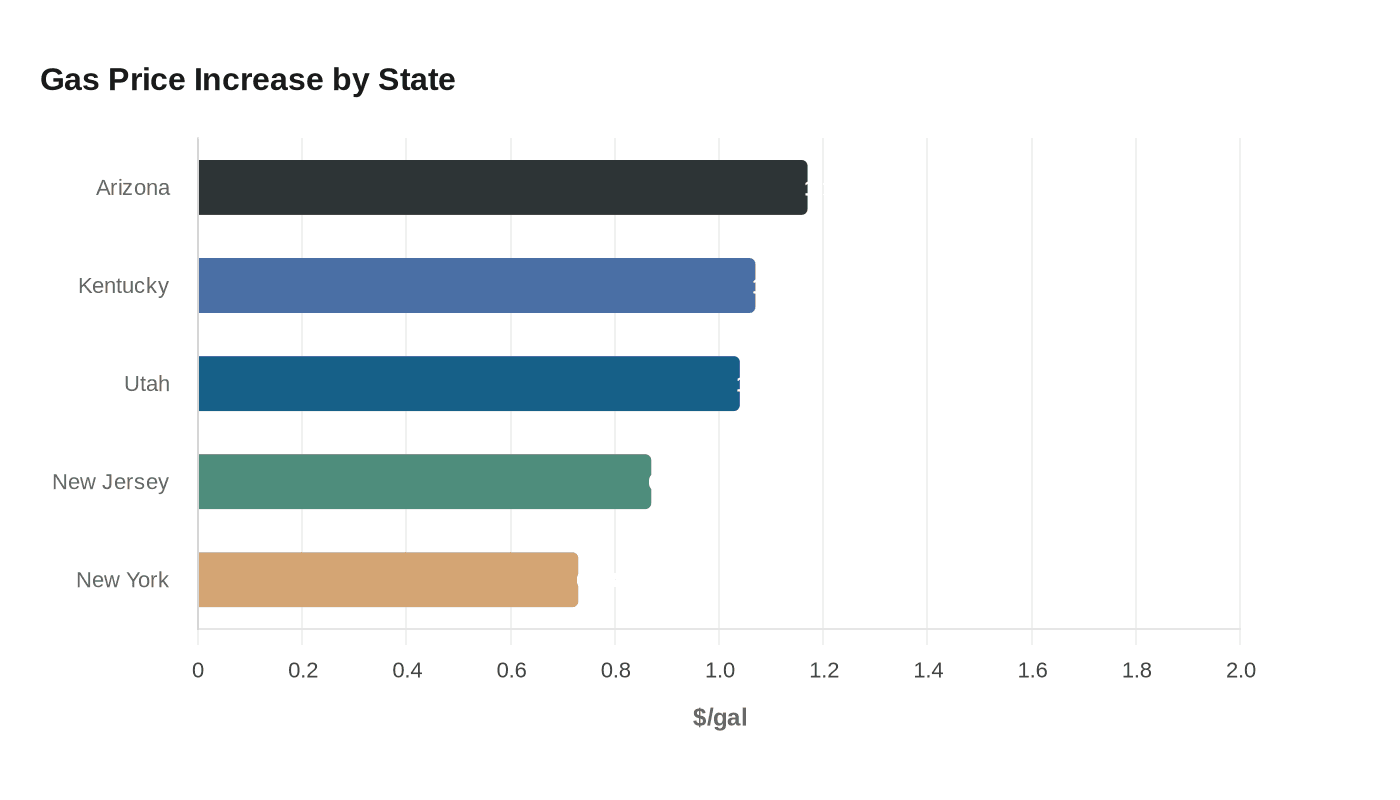
Three weeks after those initial strikes, the national average for unleaded gasoline reached $3.93 per gallon, up from $2.98 on February 26, according to AAA. The increases were sharpest in Arizona, where prices rose $1.17 per gallon, followed by Kentucky at $1.07 and Utah at $1.04. At least 11 states recorded jumps above a dollar. New Jersey saw prices climb 87 cents and New York 73 cents. No region was spared.
The mechanism behind those pump prices is the Strait of Hormuz, the narrow channel off Iran's southern coast through which roughly 20 percent of global oil and gas supplies normally transit. Since the war began, Iran attacked multiple vessels attempting passage, targeted fuel tankers in Iraqi waters, and launched ballistic missiles at U.S. military bases, Israeli targets, and oil depots across the Gulf. Traffic through the strait dropped sharply. Brent crude, which traded at $72 per barrel on February 27, surged more than 50 percent before briefly touching $119.
The single most consequential decision point now facing markets is Kharg Island. The Iranian export hub handles approximately 90 percent of the country's crude shipments, and Trump has been weighing whether to deploy ground forces to seize it while also extending a deadline for Iran to reopen the strait. A Reuters poll of 13 analysts placed the average Brent forecast at $153.85 per barrel if Kharg's export facilities are damaged, with some projections reaching $200. If the war ends soon but Iran's threats to Hormuz shipping persist, the same analysts forecast a range of $50 to $150, reflecting the uncertainty over how long disruptions would continue.
Capital Economics economist Neil Shearing and his team outlined the path forward in a March 9 report. A swift end to hostilities could allow Brent to fall back to $65 per barrel by year-end. A longer conflict would push prices toward $130 in the second quarter before gradually easing. Even a conflict contained to three months, the team estimated, could keep Brent averaging $150 per barrel over the following six months.
Oxford Economics used its Global Economic Model to simulate what $140 per barrel, sustained for two months, would produce. The result, published March 13: that price level would be enough to push parts of the global economy into a mild recession. The firm cut its world GDP growth forecast to 2.6 percent for the year.
Inside the Federal Reserve, the inflation arithmetic had already shifted. Fed Governor Christopher Waller had planned to advocate for a rate cut at the Fed's most recent meeting but reversed course after watching the war develop. "This is looking like it's going to be a much more protracted conflict, and oil prices are going to stay high for a longer time," he said on CNBC. "So that suggested inflation was more of a concern." By Friday, futures markets placed the odds of a Fed rate hike before year-end at 50 percent. Fed Chair Jerome Powell, at a Washington news conference, said "near-term measures of inflation expectations have risen in recent weeks, likely reflecting the substantial rise in oil prices caused by the supply disruptions in the Middle East."
The longer-term structural damage extends beyond current price levels. Missile strikes on Qatari gas facilities left repairs that engineers estimate could take up to five years to complete, removing a critical source of supply for European and Asian buyers. Oil and gas-importing economies across both regions face the steepest exposure if Brent holds above $150 per barrel, with Oxford Economics separately flagging energy costs as a specific drag on eurozone consumer spending.
Whether oil prices ease or accelerate from here now turns on two variables with no announced timetable: whether Trump orders a ground operation at Kharg Island, and whether Iran allows anything resembling normal shipping through the 21-mile-wide strait it has effectively closed since the war began.
This article was produced by Prism’s automated news system from verified source data, official records, and press releases, then run through automated quality and moderation checks before publishing. The system is built and supervised by the people who set the standards it runs under. Read our full AI policy.
Did this article answer your question?