Iran Conflict Pushes Gas-Buying Nations Toward Coal, Solar, and Nuclear
Oil jumped from $71 to over $100 a barrel in two weeks as Iran's Hormuz closure took a fifth of global supplies offline, forcing Pakistan to shut schools and buyers to weigh solar and nuclear.
A UPS driver idled outside a downtown Los Angeles gas station on March 3 as the pump behind him advertised gasoline at more than seven dollars a gallon. Across the Pacific, Pakistan had already closed its schools.
That split-screen captures what the Iran conflict has done to global energy in a matter of weeks. In response to U.S. and Israeli strikes, Iran effectively closed the Strait of Hormuz by threatening shipping traffic, sending a fifth of the world's oil and natural gas supplies offline almost overnight. Oil prices climbed from $71 to more than $100 a barrel in the two weeks that followed, and gas-buying nations from South Asia to Southeast Asia began making emergency pivots toward coal, solar and nuclear energy to reduce their exposure to Persian Gulf chokepoints.
The supply shock struck several producers simultaneously. Qatar, the world's second-leading liquefied natural gas producer, halted output after military attacks on its facilities. Saudi Arabia and the United Arab Emirates, both characterized as swing suppliers, found their infrastructure vulnerable to Iranian strikes and their oil exports subject to attack if shipped through the Strait. Saudi Arabia began rerouting exports through a port on the Red Sea, but even with that effort, the kingdom may only reach 70 percent of its previous export levels.
The immediate price consequences have been uneven. In the United States, a gallon of gas rose to a national average of $3.54, a 19 percent jump from late February; the seven-dollar price on that Los Angeles pump reflects California's higher cost baseline. Americans remain relatively insulated because the U.S. is the world's leading natural gas exporter and receives limited gas imports, primarily via pipeline from Canada. Other countries have far less cushion. India and Pakistan are heavily reliant on imported oil and gas, and the price spikes and shortages forced both into difficult choices. Pakistan closed schools for two weeks and adopted austerity measures to reduce energy use. Bangladesh and Myanmar introduced rationing.
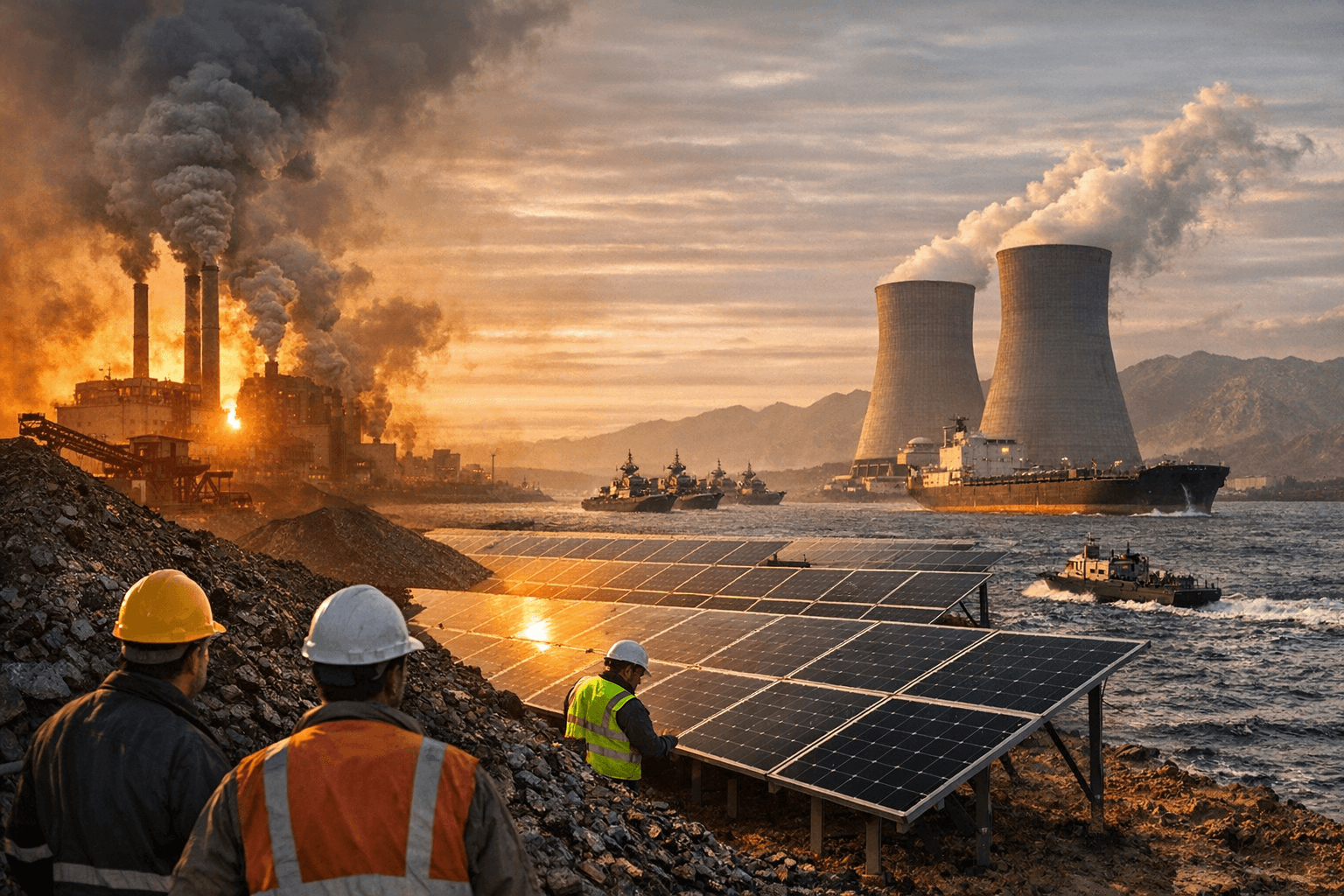
The disruptions have accelerated a policy conversation that climate advocates have long pressed. Buyers who once accepted dependence on Persian Gulf LNG as economic inevitability began weighing whether coal, solar and nuclear offer a more stable long-term supply base. The arithmetic is blunt: a single military standoff near the Strait eliminated roughly a fifth of global oil and gas in days.
Analysts Joshua Busby and Greg Pollock wrote that the conflict "underscores the recurrent vulnerability of fossil fuel energy systems" and makes a pivot to renewables "critical." For U.S. and other exporters, the disruption delivered short-term financial gains; they noted those producers are "poised for a windfall." For countries with no domestic production buffer, the calculus is starker: school closures and rationing now, or a sustained reckoning with energy infrastructure that no longer depends on a single, militarized waterway.
Know something we missed? Have a correction or additional information?
Submit a Tip

