Iran Cuts Internet and International Calls Amid Nationwide Protests
Iranian authorities cut nationwide internet access and, in parts of the country, international telephone links on the night of Jan. 8–9 as mass demonstrations spread to more than 100 cities. The shutdown, timed after a call for an evening uprising by exiled Crown Prince Reza Pahlavi, deepens concerns about repression and obstructs independent verification of casualties and arrests.

Iranian authorities cut national internet service and, in many regions, international telephone links on the night of Jan. 8–9 as protesters poured into streets across the country, digital monitoring groups and local activists report. The outages began in the evening after calls circulated for mass demonstrations timed for 8:00 p.m. local time; live feeds from internet monitors registered a near-total collapse of connectivity at roughly 8:30 p.m.
Protests have swelled in Tehran and spread to more than 100 cities, with visible demonstrations in Mashhad, Isfahan, Shiraz, Kermanshah, Lordegan, Abdanan and parts of Lorestan and the southwestern provinces of Chahar-Mahal and Bakhtiari, and Kohgiluyeh and Boyer-Ahmad. Monitoring group NetBlocks registered nationwide disruption on the state backbone provider and a specific loss of connectivity on a major carrier in Kermanshah as clashes intensified. Despite the blackout, videos and images have continued to circulate for a time from cities such as Abdanan and Aligudarz, and social media shows scenes of crowds, tear gas in Tehran’s bazaar, and burning buildings in some provincial centers.
The internet cut followed a call for nationwide demonstrations by exiled Crown Prince Reza Pahlavi and came as heads of Iran’s judiciary and security services warned of a harsh response. Reported casualty and detention figures differ widely. A U.S.-based monitoring group’s count cited by activists places the death toll at least in the high 30s and detentions at more than 2,200; other accounts put fatalities as high as the mid-40s. Region-specific claims, including reports that eight protesters were killed in Lordegan on a single day and that a regime colonel and two members of the Basij were also killed in clashes, remain unverified and are contested by authorities.
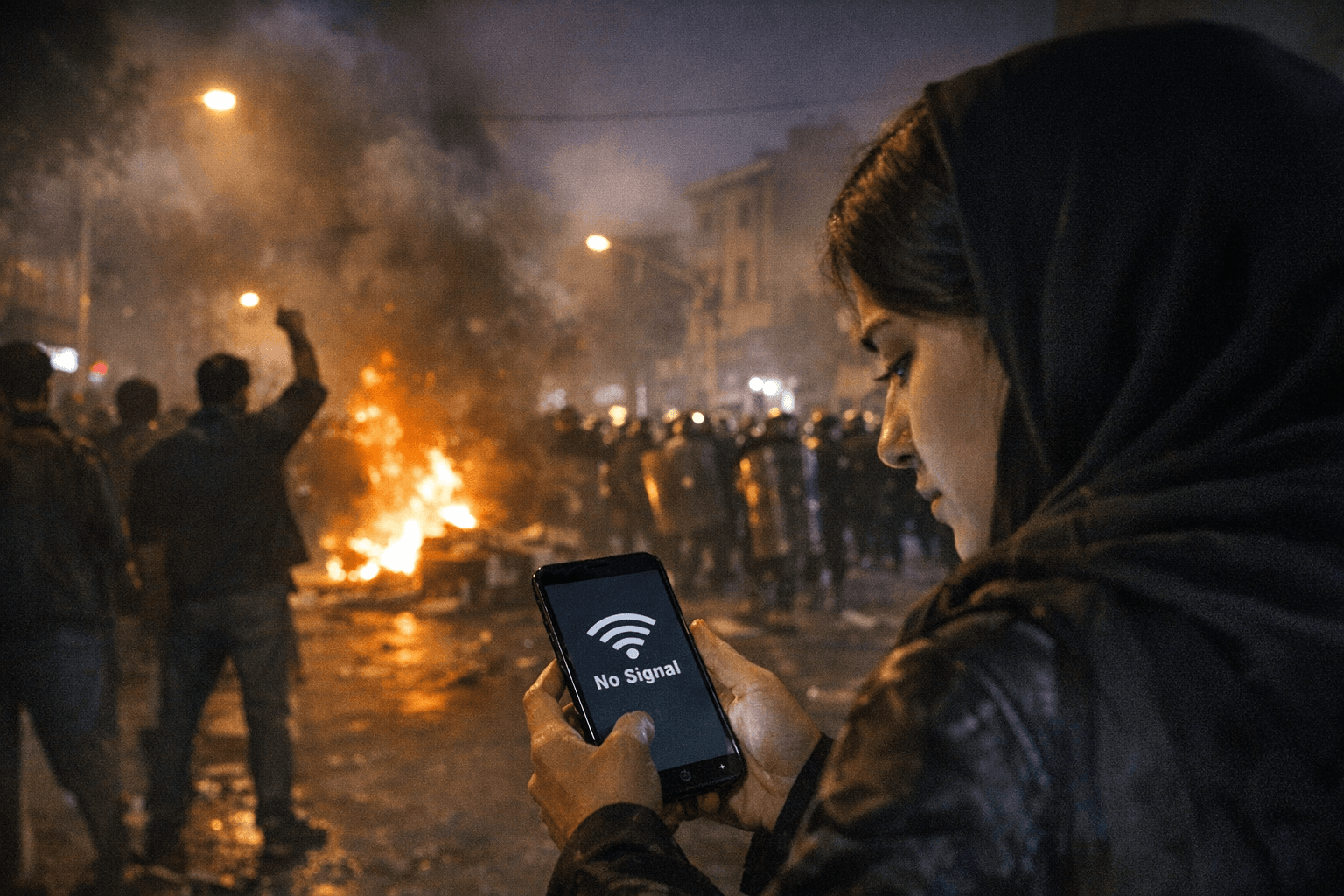
Human-rights experts and digital-rights analysts characterize the blackout as a deliberate tactic to isolate protesters and limit outside communication. "The Iranian government uses internet shutdowns as a tool of repression to isolate protesters and limit outside communication when demonstrations reach a critical point," said Omid Memarian, a noted Iranian human rights expert. Alp Toker, director of the cybersecurity watchdog NetBlocks, warned that "national blackouts are often a precursor to possible violent crackdowns," and noted that some Iranians have still been able to access Wi-Fi using "contraband terminal equipment" to connect to Starlink satellite internet despite the state blackout.
The move reprises a pattern of communications blackouts during previous waves of unrest in Iran, including 2009, 2019 and 2022, raising legal and diplomatic questions about disproportionate restrictions on freedom of expression and access to information under international human-rights norms. The blackout complicates independent verification of reported deaths and arrests, and it is likely to hamper humanitarian and medical responses in cities where clashes are most intense. International rights organizations and foreign governments will be watching for transparent accounting of casualties, access for independent investigators and a restoration of communications that would allow families and the outside world to corroborate events on the ground.
This article was produced by Prism’s automated news system from verified source data, official records, and press releases, then run through automated quality and moderation checks before publishing. The system is built and supervised by the people who set the standards it runs under. Read our full AI policy.
Did this article answer your question?


