Iran ends strike on Israel after truce collapses over Beirut attacks
Iran said it was halting its strike after nearly 30 missiles and fresh Israeli attacks, but warned the pause could collapse again if Beirut is hit.
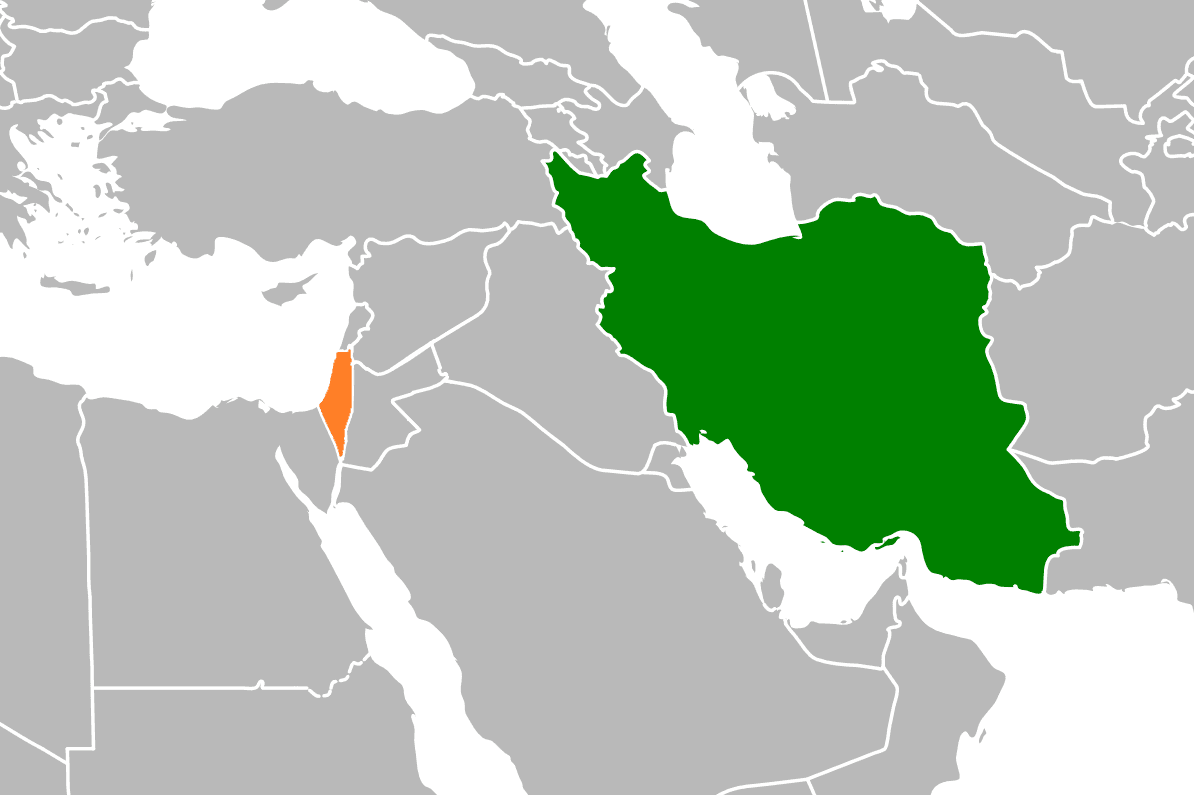
Iran’s military command said it was ending its latest operation against Israel after a night of missile fire and counterstrikes shattered a two-month truce and pushed the region back toward open conflict. The Khatam al-Anbiya headquarters said on June 8, 2026, that Iran was stopping the assault after delivering what it called a “painful response” to Israeli strikes on Beirut.
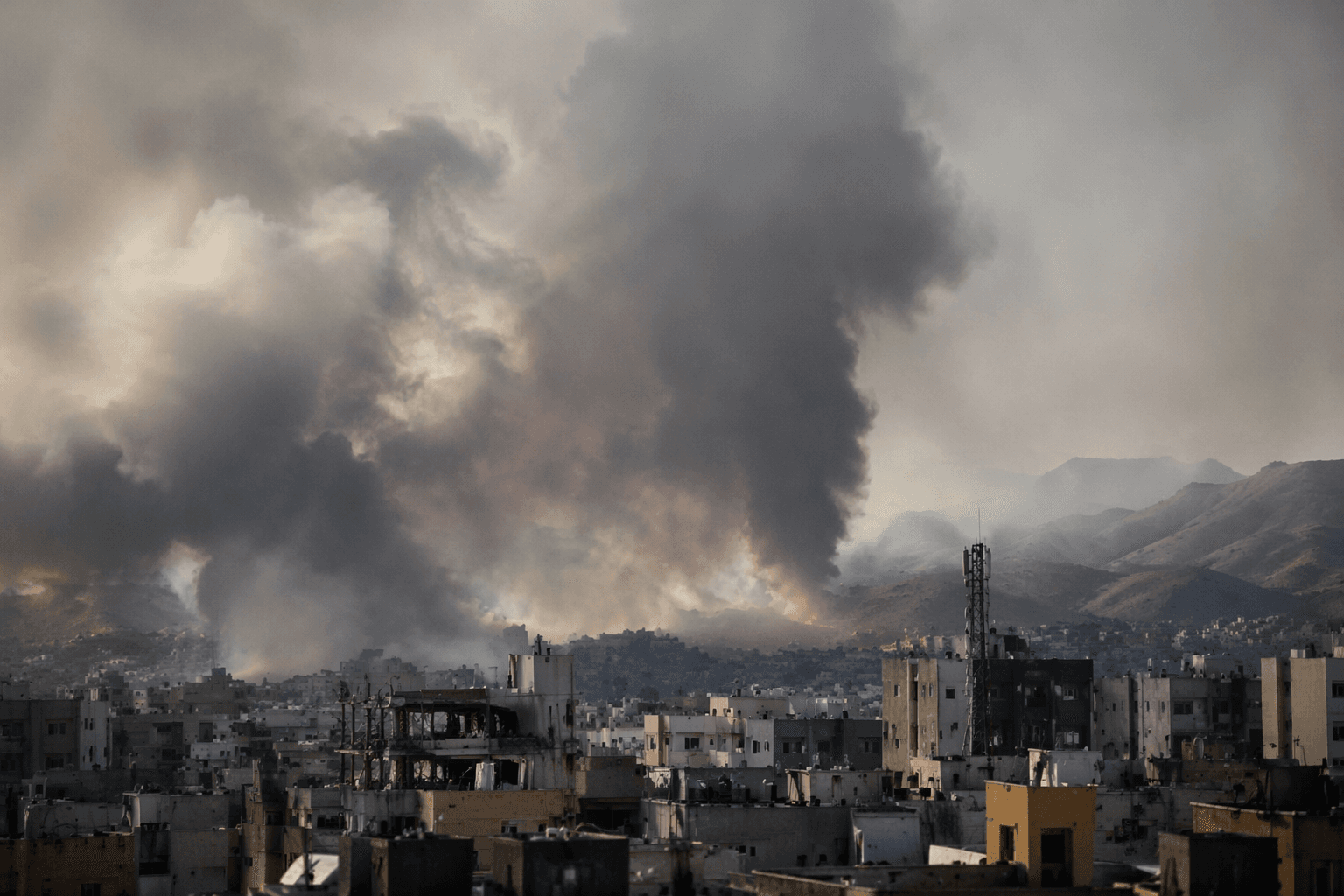
The exchange was the first between Israel and Iran since a ceasefire took effect in April 2026, and it quickly exposed how thin that arrangement had been. Israeli officials said Iran fired nearly 30 missiles, while the Israeli military said it intercepted all missiles from Iran so far. Live reporting also said Israel struck targets in western and central Iran, and Iranian media said a petrochemical company in Mahshahr, in southwestern Iran, was hit.
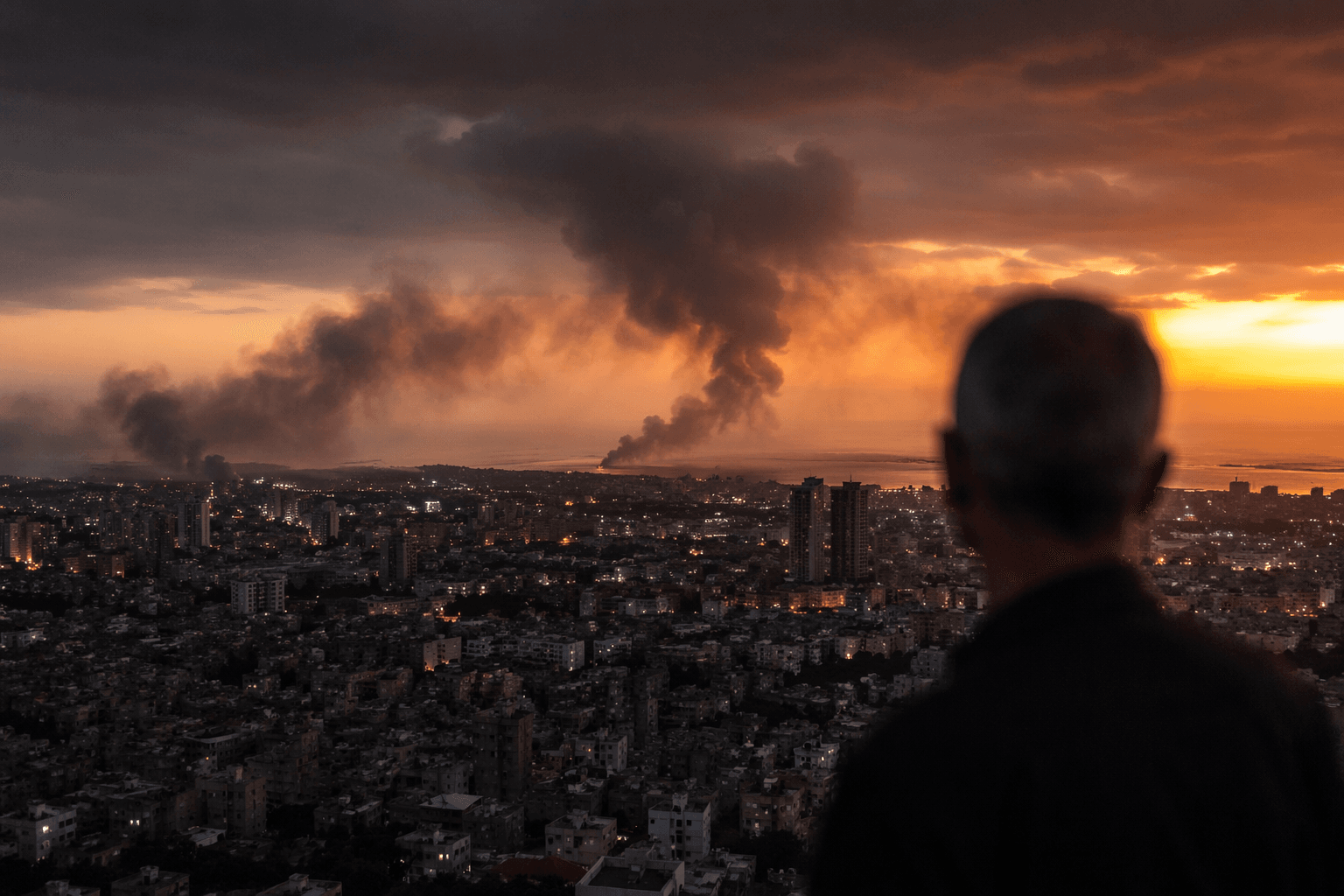
Tehran framed the barrage as retaliation for Israeli attacks on Beirut, which Iranian officials and allied media said crossed red lines and targeted areas tied to the conflict with Lebanon. Iran’s Islamic Revolutionary Guard Corps warned that if the attacks were repeated, its response would widen and could include American-Zionist targets in the region. The warning showed that the pause was conditional, not final, and that the next Israeli strike on Lebanon could trigger a renewed cycle of fire.
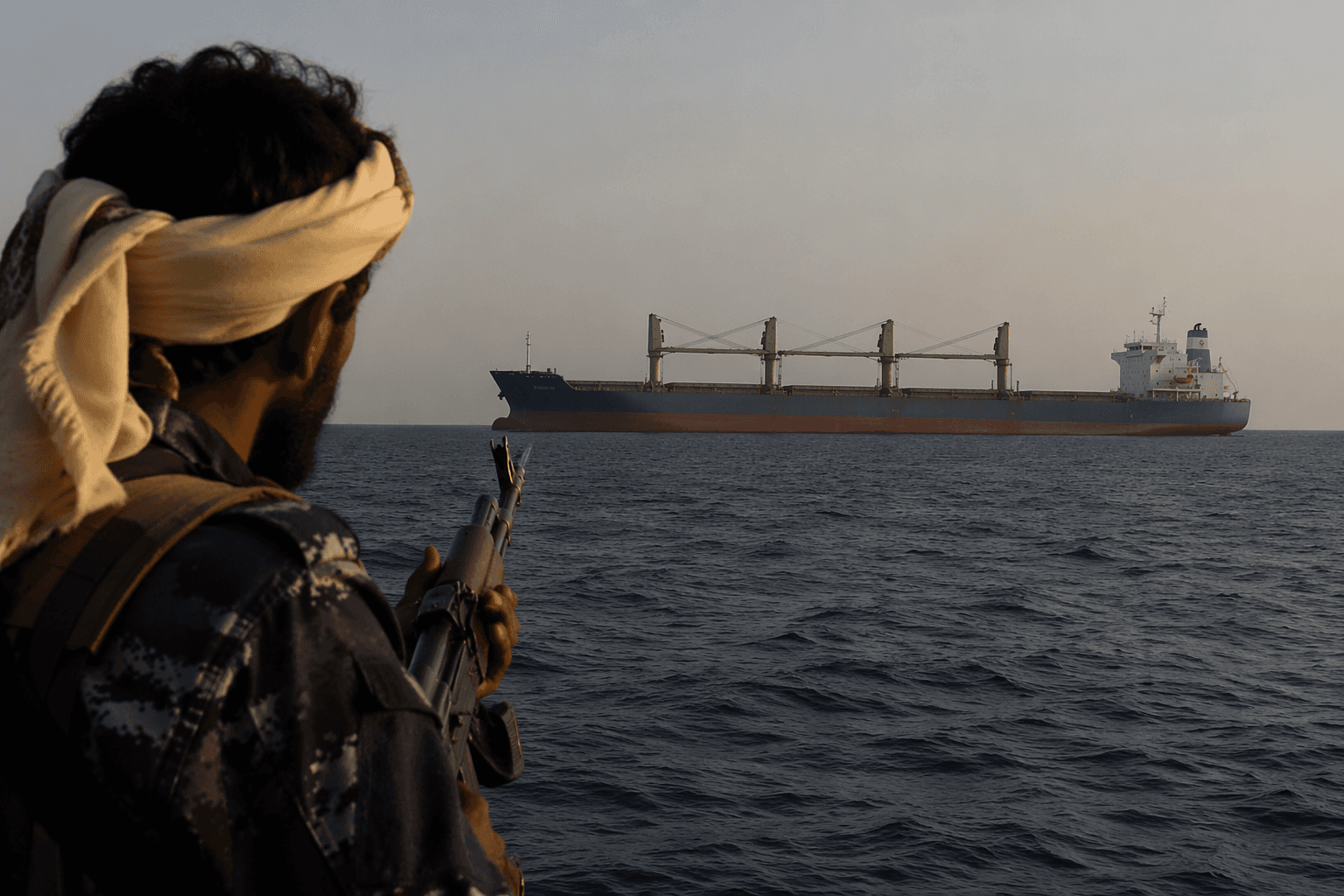
The renewed fighting carried immediate regional consequences. Donald Trump publicly called on both sides to stop shooting and said he believed both were seeking an immediate ceasefire. In the background, Lebanon’s Prime Minister Nawaf Salam said Israel had carried out 3,491 airstrikes, 407 controlled demolitions and six razing operations since the April ceasefire, figures that underscored how many communities remained under pressure even when the front lines seemed quieter. Yemen’s Houthi rebels also announced a ban on Israeli maritime navigation in the Red Sea and claimed a missile attack on Israel, widening the reach of the confrontation.
The most important signal now is whether the Beirut strikes stop, because Iran has tied its restraint to that condition. Analysts will also be watching for renewed missile launches from Iran, further Israeli strikes in Lebanon or Iran, and any move by armed groups in Lebanon, the Red Sea or elsewhere to join in. The pattern recalls June 2025, when Trump announced a phased ceasefire after a 12-day war between Israel and Iran, only for the latest eruption to show how quickly such pauses can unravel.
This article was produced by Prism’s automated news system from verified source data, official records, and press releases, then run through automated quality and moderation checks before publishing. The system is built and supervised by the people who set the standards it runs under. Read our full AI policy.
Know something we missed? Have a correction or additional information?
Submit a Tip