Iran escalates executions and arrests after protests, rights groups warn
Iran hanged three men tied to the January protests and has detained more than 4,000 people since the war began, deepening fears of a wider crackdown.
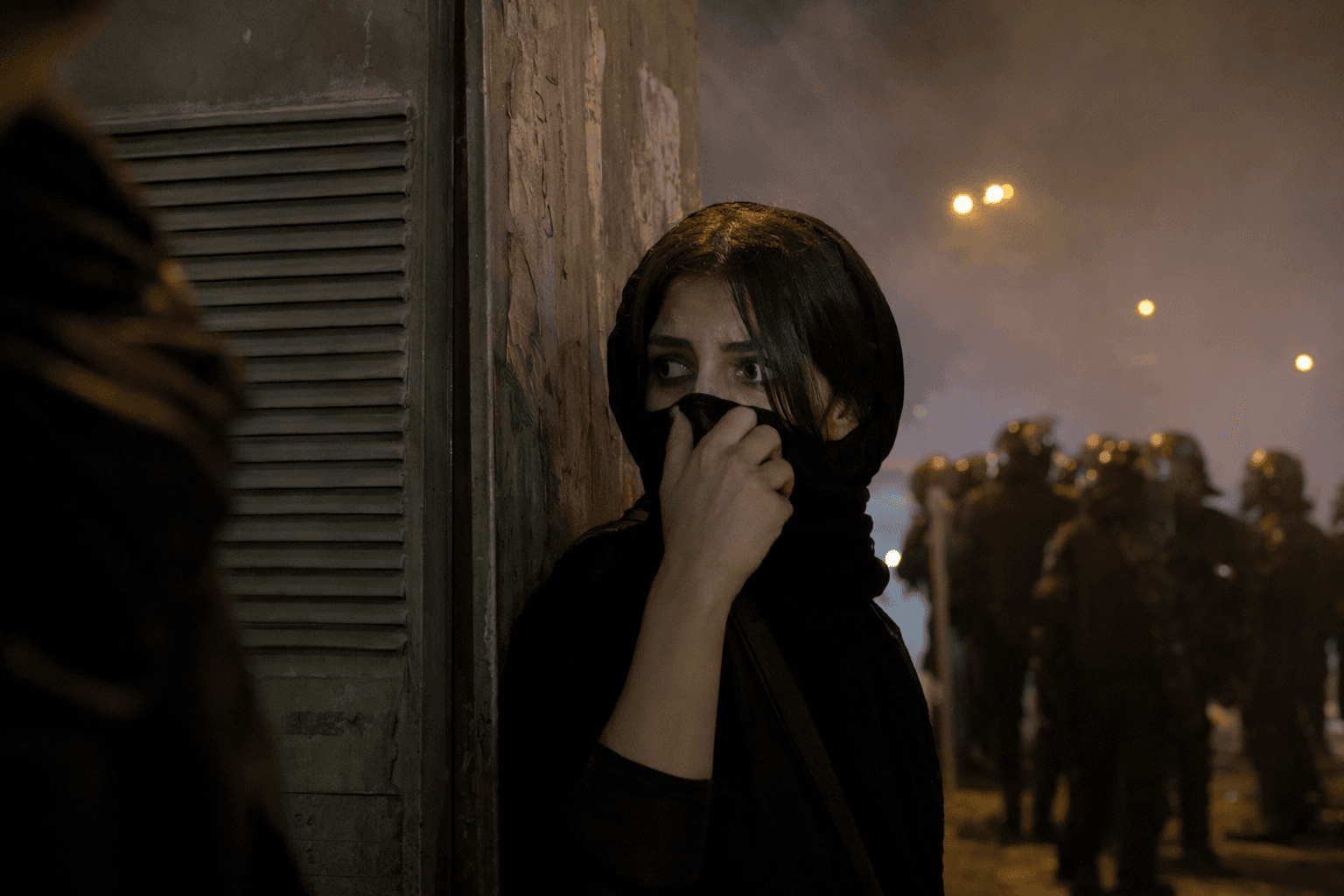
The hangings in Qom marked a hardening of Iran’s response to protest and wartime unrest. On March 19, authorities executed Saleh Mohammadi, 19, Saeed Davoudi, 21, and Mehdi Ghasemi after convicting them in connection with the January 2026 anti-government protests, state media said.
Rights groups said the three were publicly hanged in Qom and that the case exposed a broader pattern of coercion and punishment. The men were accused of killing two police officers during unrest, and state media said the sentences had been upheld by the Supreme Court. Activists said the executions were the first officially announced deaths tied to the January protests, which began in late December 2025 over rising living costs and spread into nationwide demonstrations that peaked on January 8 and 9.
The executions have been read by rights advocates as part of a wider wartime strategy of internal control. Since the regional war began after a U.S.-Israeli attack on February 28, Iranian authorities have intensified arrests and capital punishment in the name of national security, while trying to blunt public anger over economic pressure, political repression, and the costs of a widening regional confrontation.
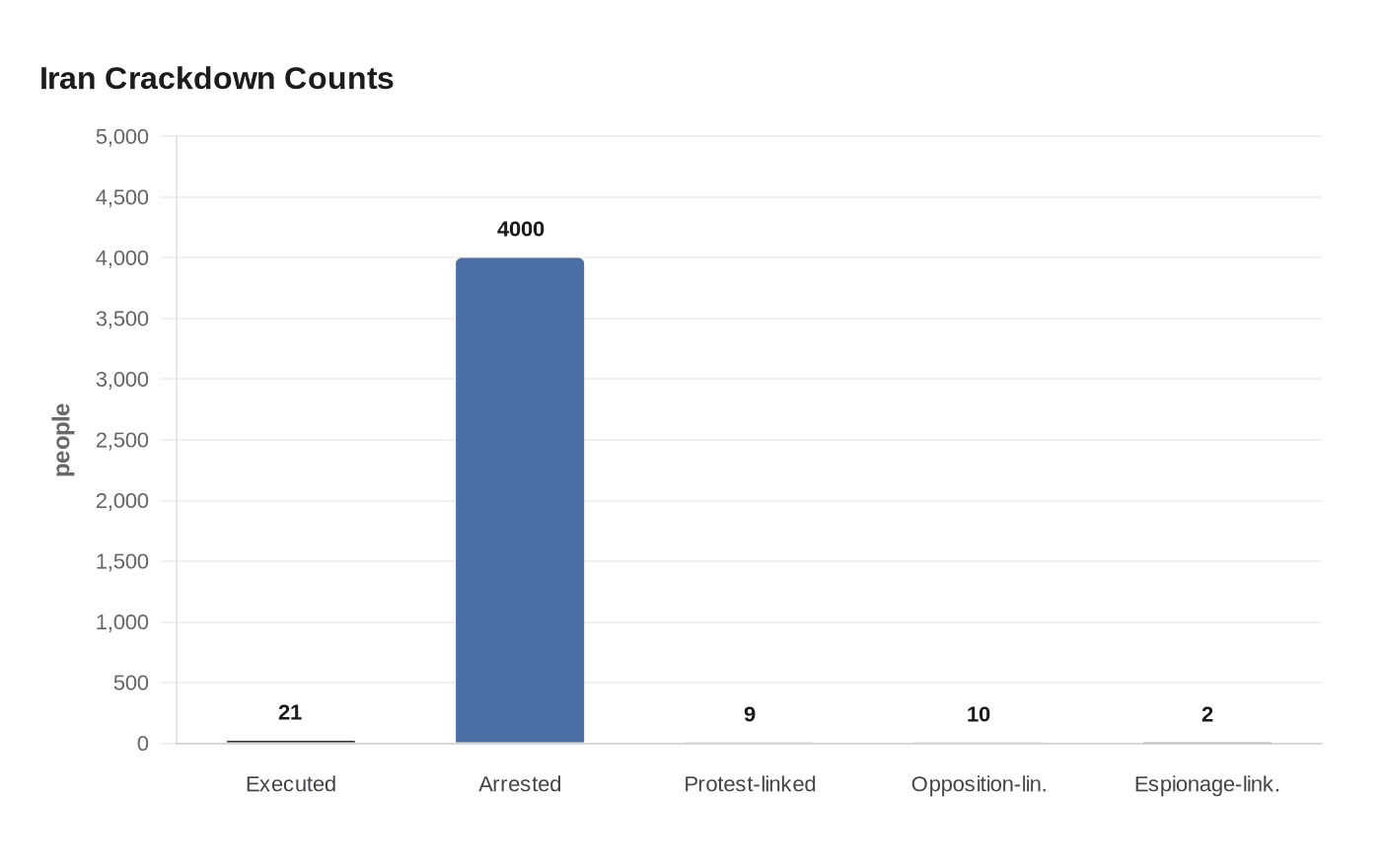
The United Nations human rights chief, Volker Türk, said on April 29 that Iran had executed at least 21 people and arrested more than 4,000 on national-security charges since the war began. The UN said at least nine of those executions were tied to the January protests, 10 to alleged membership in opposition groups, and two to espionage charges. Rights groups have warned that many more detainees face death sentences.
Amnesty International said at least seven more protesters and dissidents were at imminent risk of execution in late March. The group and others said the three men executed in Qom were sentenced after grossly unfair trials and coerced confessions obtained under torture. The United Nations Office of the High Commissioner for Human Rights said, “The violent repression of the Iranian people does not solve any of the country’s problems. On the contrary: it creates conditions for further human rights violations, instability and bloodshed.”
For protesters still in custody, the message was unmistakable. As executions rose and arrests mounted, the state signaled that dissent during wartime would be treated not as a political challenge to be answered, but as an emergency to be crushed.
This article was produced by Prism’s automated news system from verified source data, official records, and press releases, then run through automated quality and moderation checks before publishing. The system is built and supervised by the people who set the standards it runs under. Read our full AI policy.
Did this article answer your question?