Trump Says U.S. Will Guide Ships Through Strait of Hormuz
Trump said U.S. ships would start guiding vessels through Hormuz as a tanker was hit by projectiles, raising fears of a wider energy shock.
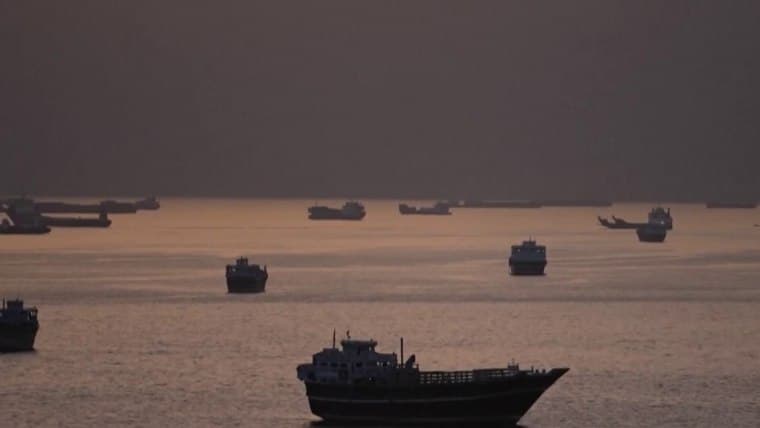
President Donald Trump said the United States would begin guiding ships through the Strait of Hormuz, a move that came as a tanker in the waterway was reported hit by unknown projectiles and the region’s shipping crisis deepened.
The strait is one of the world’s most important energy arteries. In 2025, an average of 20 million barrels a day of crude oil and oil products moved through the narrow passage, which links the Persian Gulf with the Gulf of Oman and the Arabian Sea. At its tightest point, the waterway is only 29 nautical miles wide, with two 2-mile-wide shipping channels and a buffer zone, leaving commercial traffic exposed to any escalation.
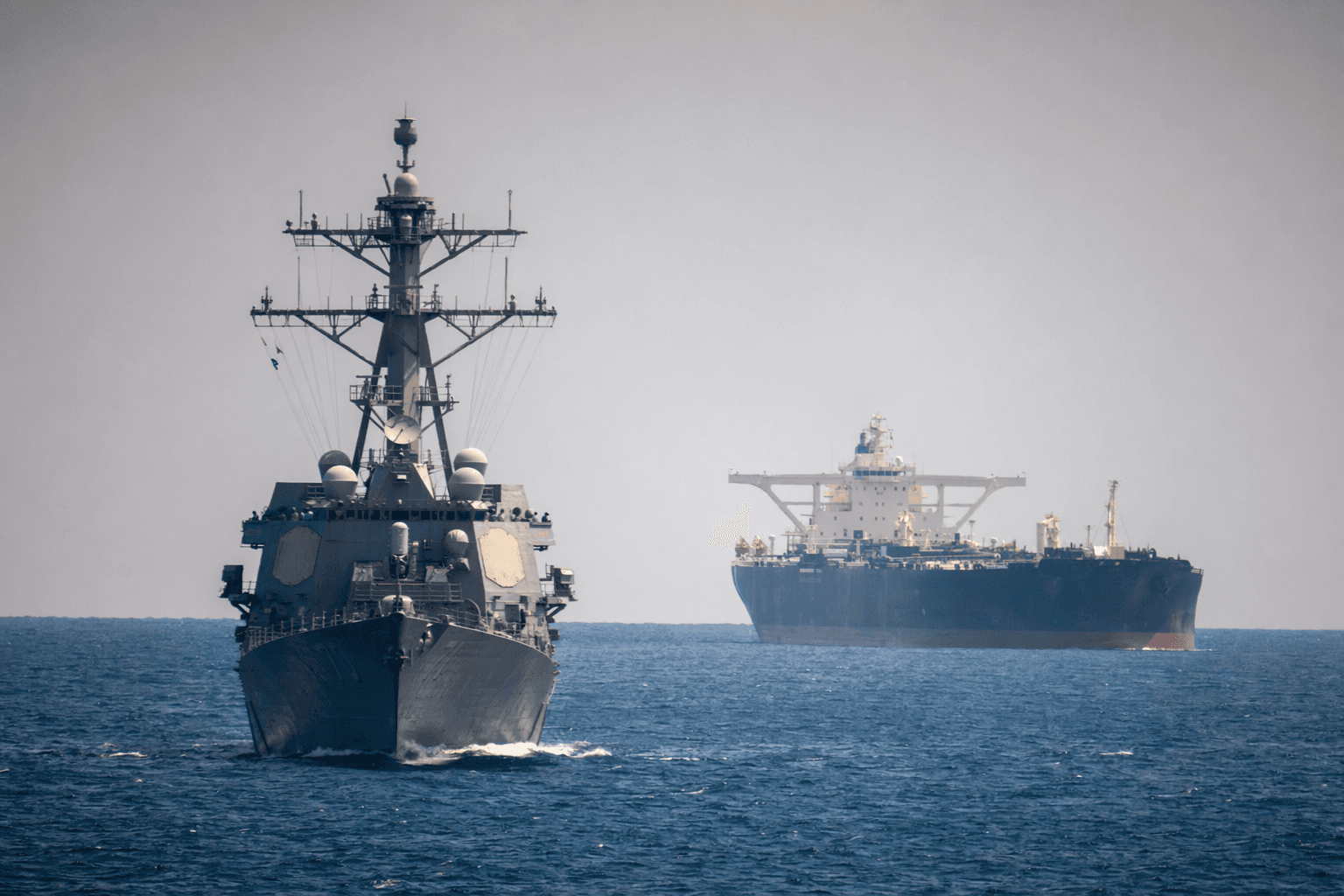
The immediate concern is not only oil flow but the safety of the ships and crews already caught in the standoff. U.S. officials and maritime groups have said hundreds of vessels and as many as 20,000 seafarers have been stranded or unable to transit the strait during the conflict, raising fears about food, supplies and crew welfare. Reuters and AP reported that the American effort was being referred to as Project Freedom, and Trump said the guiding operation would begin Monday.
Iran has responded with a direct warning that U.S. forces could be attacked if they approached or entered the strait. CBS News reported that Iran said it would attack vessels that took up Trump’s offer for the U.S. military to guide them through Hormuz. The clash of signals leaves shipping companies facing a hard question: whether the risk is still rhetorical or whether the chokepoint is becoming actively contested.
The latest strike report pushed the market concern from theory toward disruption. A tanker being hit on Monday suggested that the threat to navigation was no longer limited to statements from Tehran and Washington. If attacks continue, or if enough carriers refuse to sail, the first signs of material damage will be visible in the number of stranded vessels, the length of delays, and any sustained interruption in the two traffic lanes that concentrate global trade through the strait.
The energy backdrop is already fragile. The International Energy Agency has called Hormuz one of the world’s most critical oil transit chokepoints, and the U.S. Energy Information Administration said volumes of crude oil and condensate transiting the strait fell by 1.6 million barrels a day between 2022 and 2024. With global oil supply still dependent on this narrow passage, any escalation could quickly move from maritime security to higher prices for consumers far beyond the Gulf.
Know something we missed? Have a correction or additional information?
Submit a Tip