Iran escalates Gulf attacks after new U.S. strikes, oil prices jump
Iran struck U.S. facilities across the Gulf after fresh American raids, as Brent neared $80 and the Strait of Hormuz dispute shut down diplomacy.
Iran widened its attacks on U.S. facilities across the Persian Gulf after another round of American strikes, pulling the region deeper into a confrontation that has pushed crude higher and left the Strait of Hormuz at the center of the crisis. The exchanges ran through a second week, with U.S. forces carrying out new strikes in multiple waves and Iran responding with heavy missile and drone assaults against American targets in Bahrain, Kuwait, Qatar, Oman and Jordan.
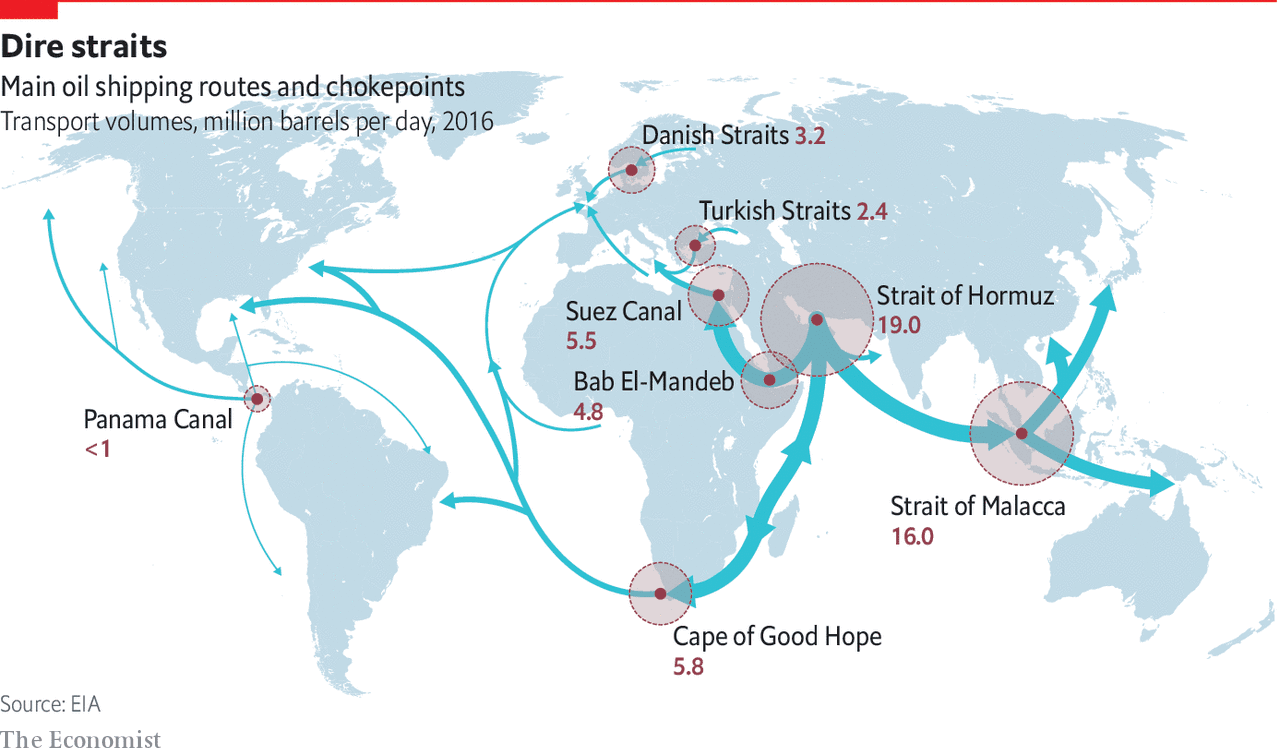
Tehran said it had again closed the Strait of Hormuz, the narrow waterway through which a large share of the world’s oil shipments passes. Washington rejected that claim and said Iran did not control the shipping lane. The U.S. Energy Information Administration said the conflict had already disrupted global oil flows and noted that the Strait of Hormuz had been effectively closed since February 28 before a June 18 memorandum of understanding sought to reopen it. That agreement now looks increasingly fragile as the military exchanges intensify.
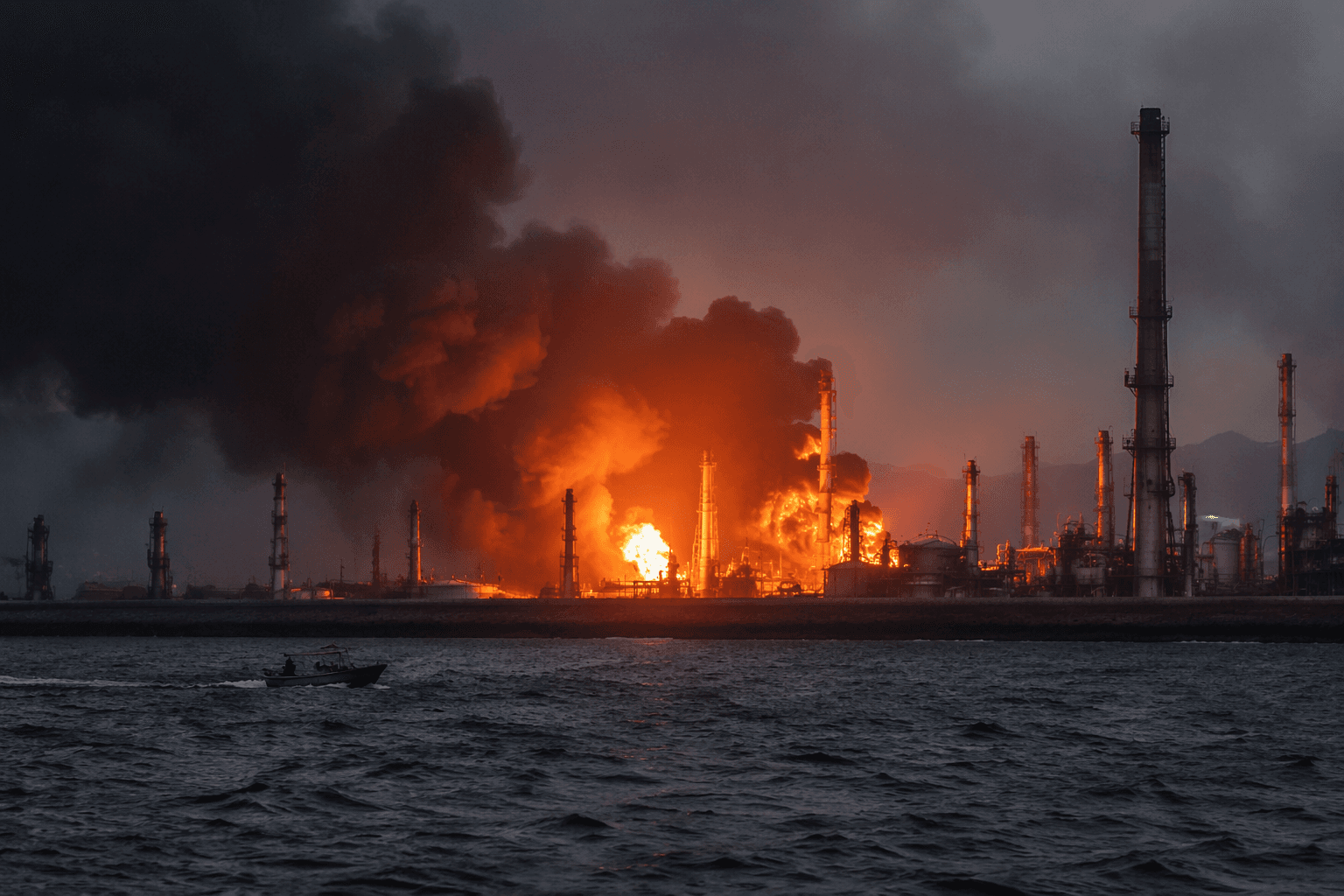
The economic impact was immediate. Brent crude rose about 4% after the weekend strikes, reaching $79.59 a barrel in one market reading, before later trading at $77.82 on July 13, 2026. West Texas Intermediate was quoted at $74.85 in the earlier move. For energy markets, the concern is not only the latest price spike but the possibility that repeated attacks could force shipping insurers, tanker operators and refiners to treat the Gulf route as a prolonged risk zone rather than a temporary shock.
Diplomatically, the space for talks narrowed further. Iran’s foreign ministry said the latest U.S. attacks had “rendered futile” diplomatic efforts, while the conflict cast fresh doubt on the future of an interim U.S.-Iranian agreement. The United Nations said renewed strikes and counterstrikes in the Gulf raised fears of a return to all-out war, and the UN Security Council held emergency discussions earlier in the escalation after attacks in Bahrain and Kuwait. UN officials urged Iran and the United States to urgently resume negotiations.
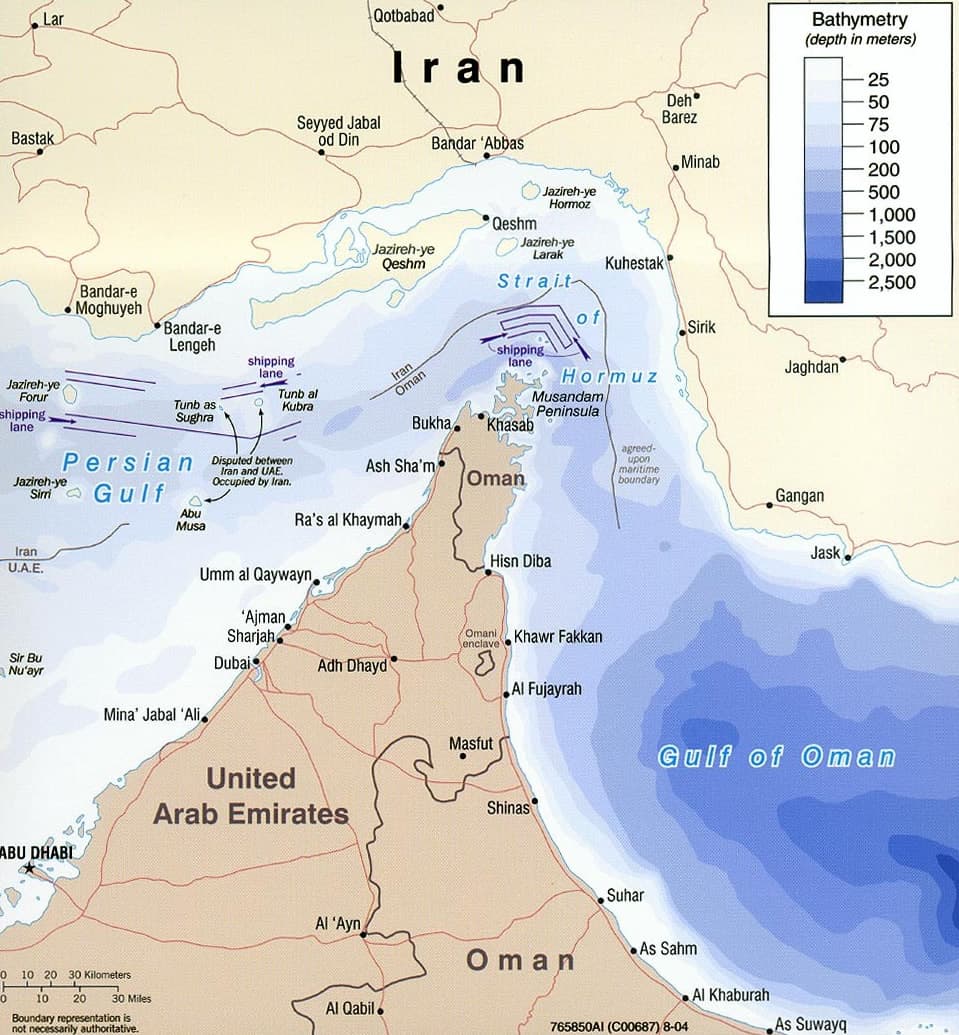
The fallout was already visible on the ground. Reports said three people, including one child, were injured by falling shrapnel in Qatar, and the Jordanian military said it intercepted Iranian missiles over its territory. As the strikes spread and each side hardened its position, the prospect of a broader regional war moved closer while the shipping lane at the heart of global energy trade remained under threat.
This article was produced by Prism’s automated news system from verified source data, official records, and press releases, then run through automated quality and moderation checks before publishing. The system is built and supervised by the people who set the standards it runs under. Read our full AI policy.
Did this article answer your question?