Iran fires missiles at Israel, raising ceasefire collapse fears
Iran’s missile launch toward Israel was intercepted, but it marked the first such attack since the April ceasefire and deepened fears of another escalation cycle.
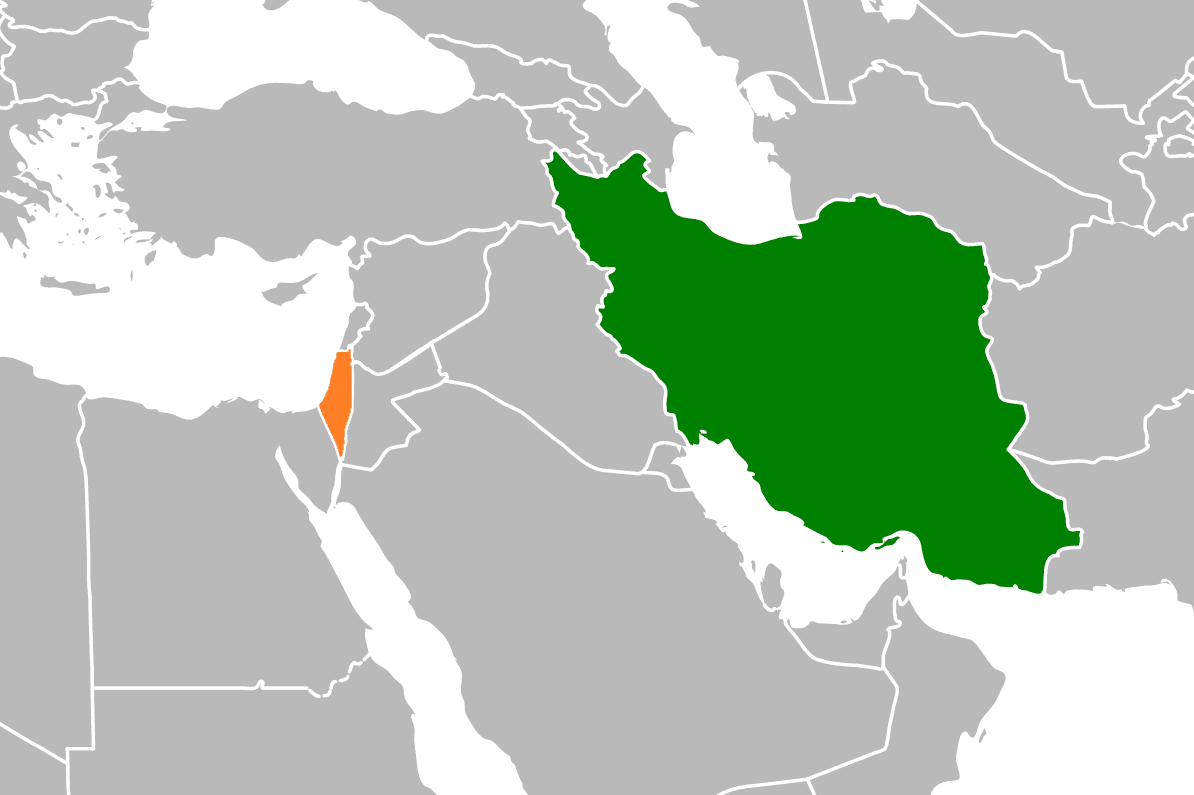
Missiles launched from Iran toward Israel on Saturday forced Israeli air defenses into action as Tehran said it was retaliating for Israeli strikes on Lebanon earlier in the day. The exchange pushed an already fragile ceasefire and U.S.-backed diplomacy closer to collapse, while airspace restrictions spread across Iran, Iraq, Syria, Jordan and Israel.
The Islamic Revolutionary Guard Corps said it had fired the missiles toward Israel, and Israeli officials said the incoming fire was detected as defensive systems worked to intercept the threat. Reports said the missiles were aimed at northern Israel, and some accounts said all incoming missiles had been intercepted so far, with no immediate reports of casualties or damage. In operational terms, interception means the attack was detected, tracked and met in flight before it could hit its target, but it does not mean the threat was trivial. Every launch still forces Israel and regional militaries to burn interceptor stocks, keep aircraft and air-defense crews on alert, and manage the risk that one missile slips through.
That is what makes this strike more dangerous than a one-off retaliation. Multiple outlets described it as the first Iranian missile attack on Israel since the April 2026 ceasefire, a sign that direct fire between the two countries has begun to look less exceptional and more like a recurring feature of the conflict. The pattern matters because repeated exchanges can normalize crisis behavior, narrow diplomatic room and make each side more willing to assume the next round is inevitable.
The precedent for that risk is clear. Iran’s April 13-14, 2024 assault on Israel involved about 170 drones, more than 30 cruise missiles and more than 120 ballistic missiles, most of them intercepted with help from the United States, Britain, France and Jordan. A later exchange in June 2025 again showed how quickly the confrontation could widen after strikes on Iranian nuclear and military sites. Each episode taught both sides that direct attacks were possible, but also that air defenses, allied assistance and warning time could blunt the damage.
Saturday’s escalation also came amid a separate Israeli strike on Beirut earlier in the day, which Tehran cited as the trigger for retaliation. Israel said that strike was itself retaliation for Hezbollah fire toward northern Israel, underscoring how quickly the conflict now moves through a chain of reprisals involving Iran, Israel and Hezbollah. With Donald Trump’s ceasefire effort already under strain, the latest missile launch suggested outside powers still have leverage, but far less than they did when the region was trying to lock in the April truce. Every new exchange makes the next diplomatic reset harder.
This article was produced by Prism’s automated news system from verified source data, official records, and press releases, then run through automated quality and moderation checks before publishing. The system is built and supervised by the people who set the standards it runs under. Read our full AI policy.
Know something we missed? Have a correction or additional information?
Submit a Tip