Ukraine appoints military ombudsman to protect soldiers from abuse
Ukraine’s military ombudsman logged 7,981 complaints in four months, exposing wartime abuse cases from medical treatment to pay and discipline.
Ukraine has given its soldiers a new place to turn when the threat comes from inside the chain of command. The military ombudsman office, created as the full-scale war has dragged into its fourth year, is meant to confront complaints about abuse, medical treatment, pay, and discipline that many troops have long had no safe way to raise.
Olha Reshetylova, a human rights defender appointed by President Volodymyr Zelenskyy on Dec. 30, 2024, became the Presidential Commissioner for the Protection of the Rights of Servicemen and Members of Military Families. Parliament then made the post official, approving the military ombudsman bill in a first reading on June 3, 2025, and adopting it in second reading on Sept. 17, 2025. The law gives the office power to consider complaints, conduct inspections, and issue recommendations to commanders, military authorities, and other state bodies.
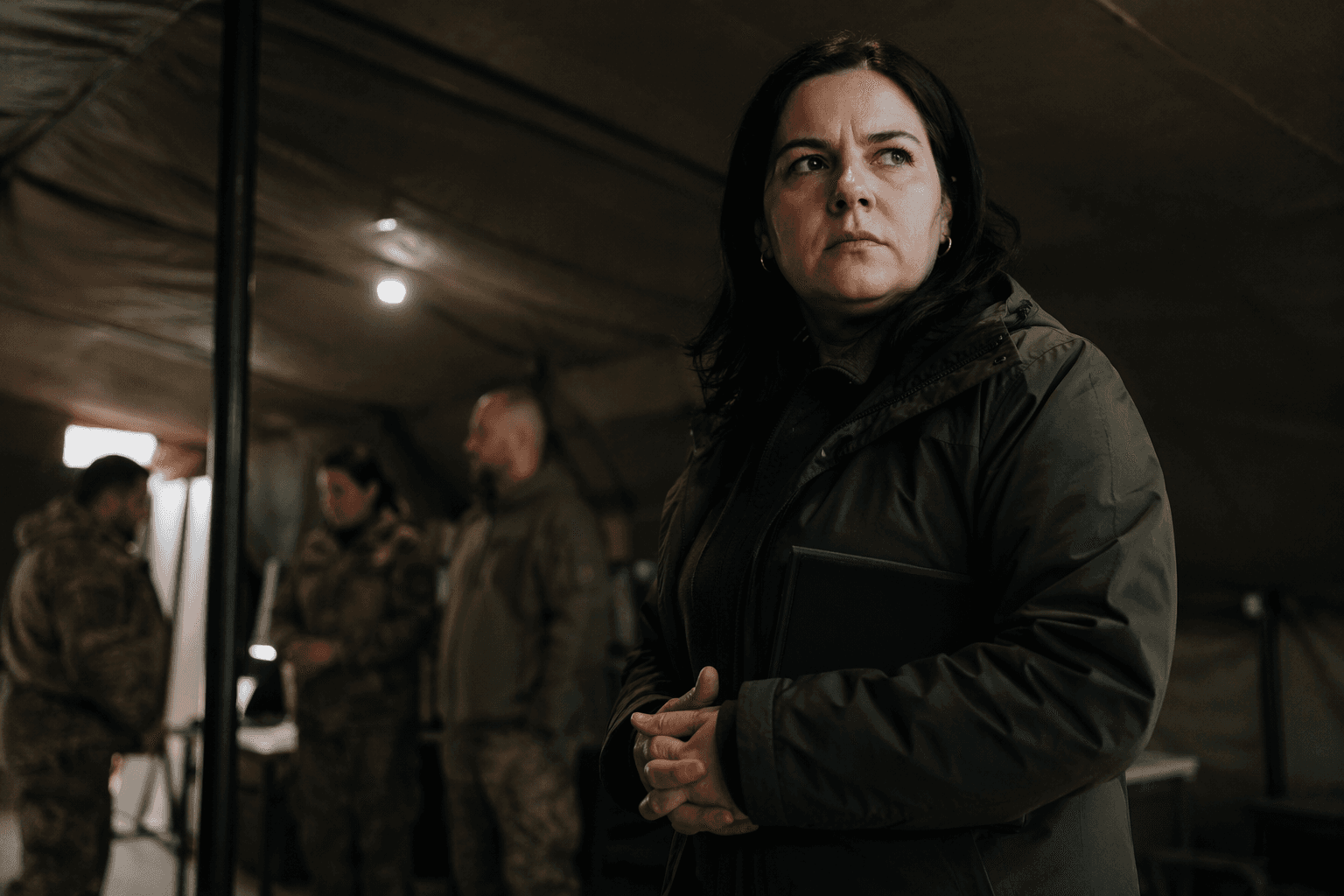
The office formally launched on Jan. 27, 2026, with Reshetylova and first deputy Ruslan Tsyhankov at the helm. By June 1, 2026, it had received 7,981 complaints, and Reshetylova said the first four months brought more than 8,000 cases. The largest share involved treatment and referrals to military medical commissions, a sign of how closely health care, fitness determinations, and service status shape daily life for troops on a long and punishing front.
That workload reflects why the office was created in the first place. Ukraine unveiled plans for a military ombudsman in April 2024 after concerns grew over exhaustion, rotations, pay, and abuse inside the Armed Forces of Ukraine. Public allegations in 2024 and 2025 described bullying, extortion, nepotism, and beatings in some units, including the 211th Brigade, pushing soldiers’ rights into the open as a wartime governance issue rather than a private grievance.
Reshetylova has argued that the office is meant to modernize personnel management and strengthen the armed forces, not weaken them. The office is building an analytical center to study why rights violations happen and pass the findings to military command, and Zelenskyy has approved plans for the first international forum of military ombudsmen in Kyiv. The office has also widened its focus to foreign citizens and stateless people serving in Ukraine’s military, while reporting monitoring in combat units, complaints from military hospitals, and visits in eastern Ukraine involving commanders from corps to battalion level.
The model is being watched beyond Ukraine’s borders, including in Norway, where parliamentary oversight of the armed forces has long been part of military accountability. In Ukraine, the test is sharper: whether an office with inspection powers and public visibility can change military culture in the middle of war, or whether it becomes another layer of oversight with too little force behind it.
This article was produced by Prism’s automated news system from verified source data, official records, and press releases, then run through automated quality and moderation checks before publishing. The system is built and supervised by the people who set the standards it runs under. Read our full AI policy.
Know something we missed? Have a correction or additional information?
Submit a Tip