Iran hard-liners fight talks as U.S. deal on war nears
Hard-liners in Tehran are trying to narrow Iran’s options as U.S.-mediated talks near a deal that could reopen the Strait of Hormuz and reshape the war.

Iran’s hard-line camp is trying to keep negotiators boxed in just as U.S. and Iranian officials edge closer to a deal that could halt the war and reopen the Strait of Hormuz, the chokepoint that carries about 20% of the world’s oil. President Donald Trump said the talks were “proceeding nicely” on May 25, but warned that fighting would resume if no agreement emerged. Secretary of State Marco Rubio went further, saying an accord could be finalized “today,” even as Iranian officials insisted no deal was imminent and accused Washington of shifting its position.
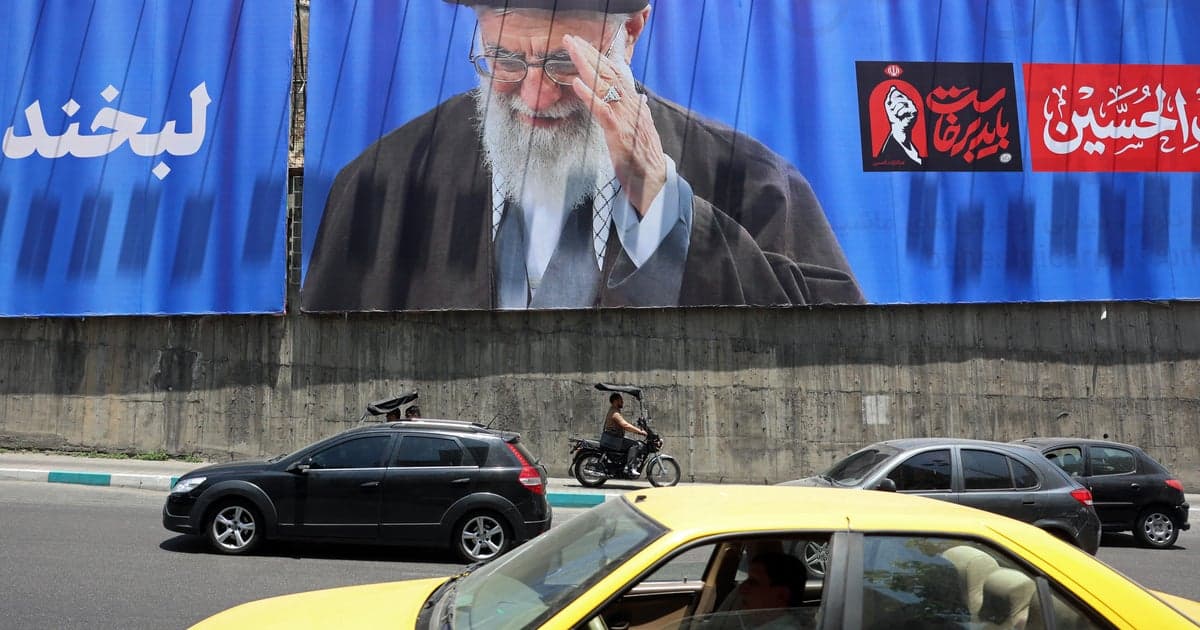
That gap has become the battleground inside Iran. Hard-liners have turned to rallies, state media and public warnings to argue that the ceasefire itself was a strategic mistake and that any compromise would bring only more sanctions and pressure. At state-backed demonstrations in Tehran on April 29 and May 20, 2026, protesters and allied figures framed defiance as loyalty, while some conservatives declared that the Strait of Hormuz was “not negotiable” and that Iran alone would define and enforce its “new rules.”

The fight is especially sharp because it touches the core of Tehran’s bargaining position. Iranian sources told Reuters that Ayatollah Mojtaba Khamenei had ordered the country’s near-weapons-grade uranium not be sent abroad, hardening Iran’s stance on one of Washington’s central demands. The reported framework under discussion would start with a memorandum of understanding, then move to broader negotiations 30 to 60 days later. That sequence suggests both sides are still trying to secure a political pause before the more difficult issues, including uranium, follow-on verification and the future of the war itself.
The internal struggle also reflects the damage the war has done to Iran’s leadership. Mohammad Baqer Qalibaf, the parliament speaker and a former Revolutionary Guards commander, police chief, Tehran mayor and presidential candidate, traveled to Qatar on May 25 as part of the talks and has emerged as a key intermediary. Analysts describe him as a pragmatic hard-liner who can speak to both security and political elites, but he has also been one of the public faces of defiance toward the United States and Israel. Conservative figures tied to the Islamic Revolutionary Guard Corps and factions in parliament have used criticism and warnings to pressure the negotiating team.
The stakes extend beyond Tehran. AP reported that the draft deal could include an end to the war between Israel and Hezbollah and a pledge not to interfere in regional states’ domestic affairs, while U.S. officials have said any agreement must still preserve Israel’s right to respond to imminent threats in self-defense. In Washington, hard-line Republicans including Sen. Ted Cruz have called the emerging deal a “disastrous mistake,” arguing it could leave Iran stronger, preserve uranium enrichment and cement Iranian influence over the Strait of Hormuz. The parallel pressure campaigns in Tehran and Washington show how fragile any deal will be, and how quickly either side’s hard-liners could still try to blow it up.
This article was produced by Prism’s automated news system from verified source data, official records, and press releases, then run through automated quality and moderation checks before publishing. The system is built and supervised by the people who set the standards it runs under. Read our full AI policy.
Did this article answer your question?