Iran leaves heartfelt note after Belgium draw at World Cup
After a 0-0 draw with Belgium, Iran left a locker-room note praising Los Angeles and declaring that its spirit, from “ancient Persia” to modern Iran, remained steadfast.

Iran’s players turned a scoreless draw into something larger than a result sheet, leaving a handwritten note in their SoFi Stadium locker room that thanked Los Angeles for its hospitality and cast the team’s performance as a statement of national endurance. After the 0-0 result against Belgium in Inglewood, California, the message said the spirit of Iran remained alive and steadfast, linking “ancient Persia” and “civilized Iran” in language that carried clear patriotic weight.
The note said the team had come to Los Angeles with pride, competed with honor and left with dignity. It also called for peace, respect and friendship among nations, a carefully chosen appeal that made the locker room message feel like both a sporting gesture and a public one. In a tournament where every word can be read through politics as well as football, the phrasing showed how Iranian athletes are asked to speak for something far beyond the pitch.
The draw kept Iran’s hopes of reaching the knockout stage alive in Group G. FIFA’s match report described Belgium versus Iran as a scoreless draw played on June 21, 2026, at Los Angeles Stadium, the official competition name for SoFi Stadium. Iran had already played its first two World Cup matches in Los Angeles and was set to travel to Seattle, Washington, for its final group match against Egypt.
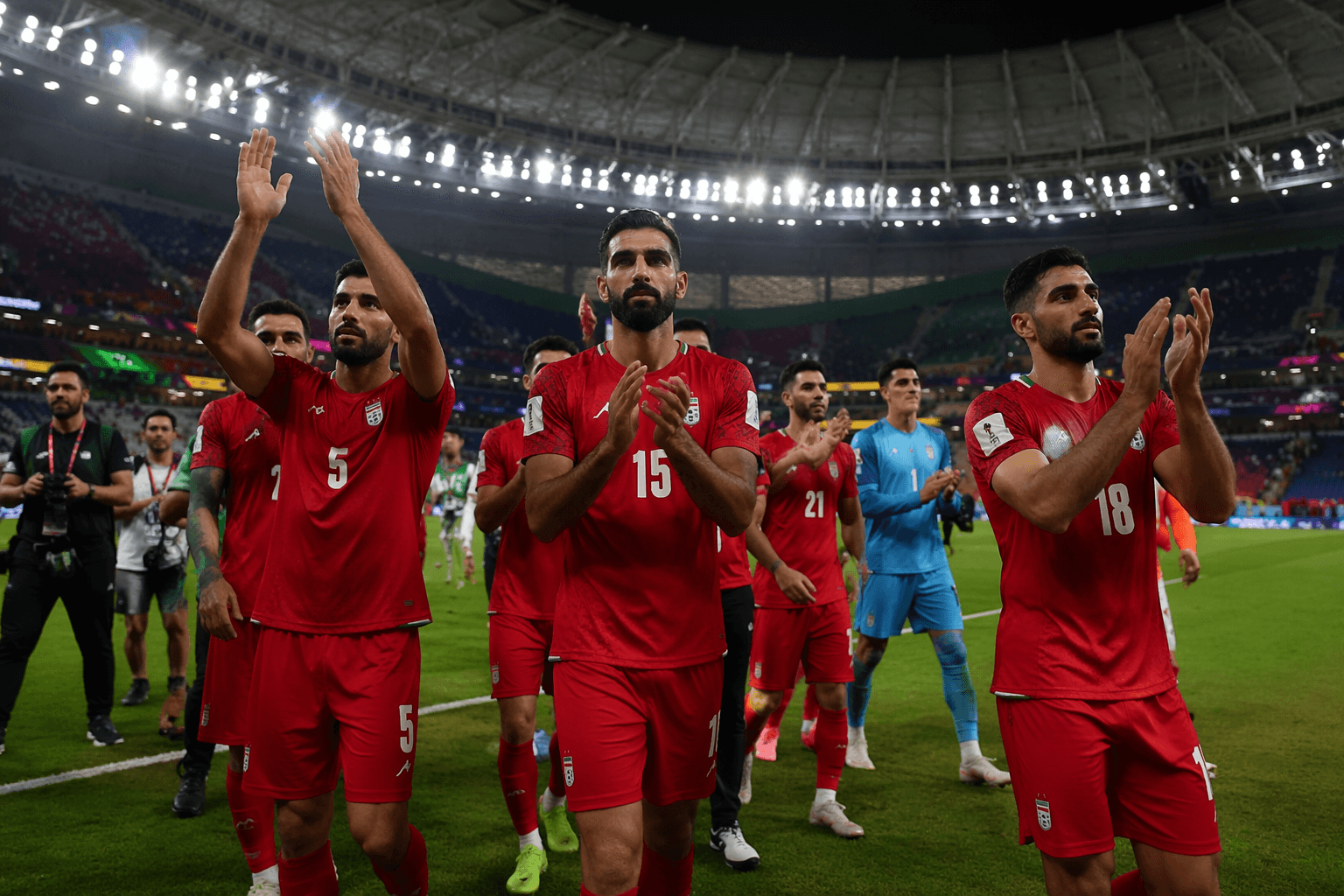
The backdrop made the note even more revealing. Reuters reported that Iran was based in Tijuana, Mexico, between matches, while coach Amir Ghalenoei had criticized the team’s travel arrangements and conditions. That combination of difficult logistics, international attention and political symbolism helped turn a simple dressing-room message into a global talking point.
For Iran, the note offered gratitude and defiance in the same breath. It was a reminder that, under scrutiny at home and abroad, the national team’s words can travel almost as far as its results, carrying the burden of identity, pressure and pride into every stadium it enters.
This article was produced by Prism’s automated news system from verified source data, official records, and press releases, then run through automated quality and moderation checks before publishing. The system is built and supervised by the people who set the standards it runs under. Read our full AI policy.
Know something we missed? Have a correction or additional information?
Submit a Tip