Iran offers Strait of Hormuz reopening, if U.S. ends blockade
Iran is tying safer passage through Hormuz to U.S. concessions, turning the world’s most vital oil chokepoint into leverage in a fight over war and nuclear limits.
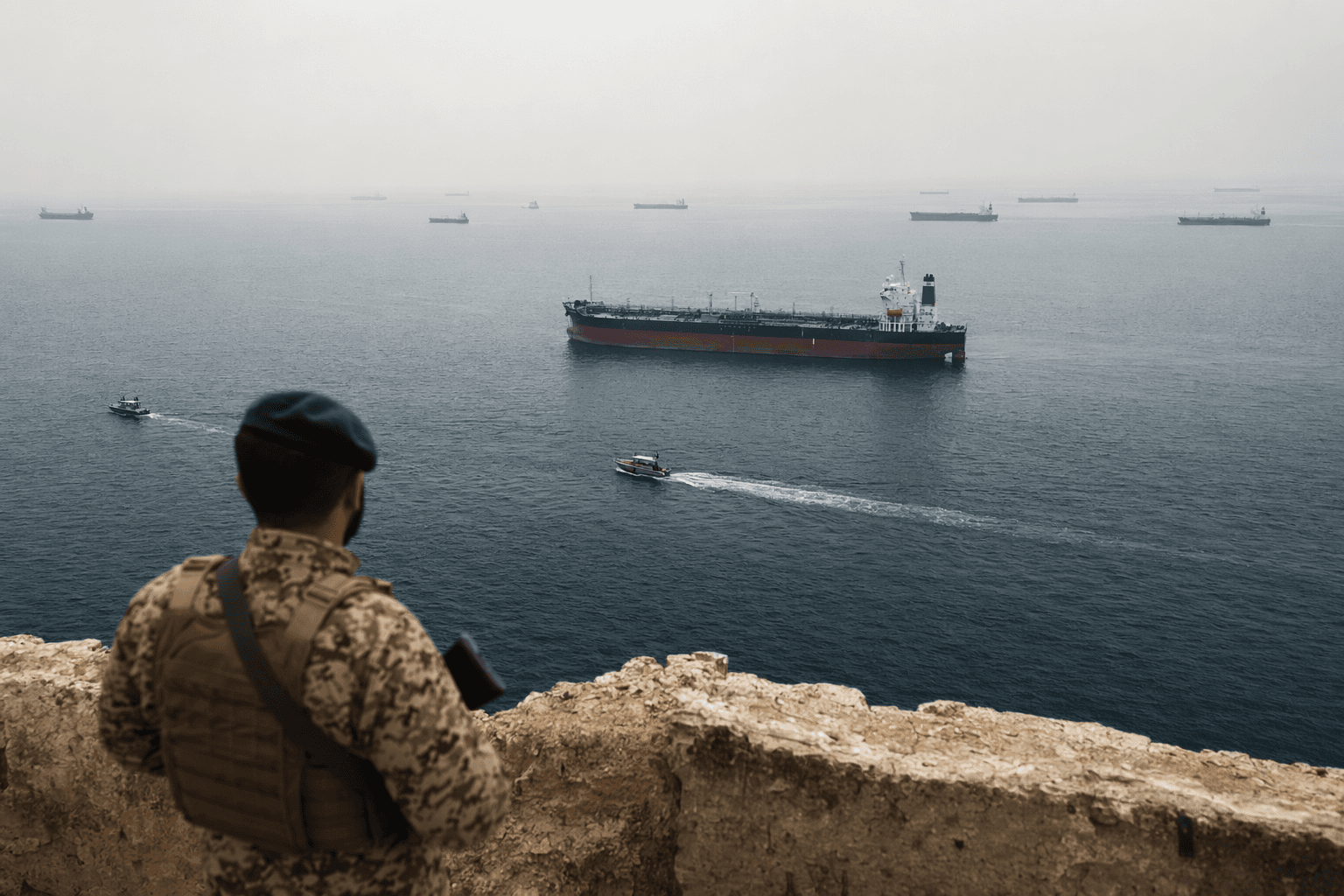
Iran has offered to reopen the Strait of Hormuz if Washington lifts its blockade and ends the war, but only by postponing nuclear talks to a later phase, a swap that puts the world’s most important energy artery at the center of a wider diplomatic gamble. The proposal hands Tehran immediate leverage over shipping security and global fuel prices, while asking the White House to accept short-term relief without settling the nuclear question that drove the conflict.
Abbas Araghchi, Iran’s foreign minister, delivered the proposal to Pakistan on Sunday, and Donald Trump reviewed it with advisers on Monday. Trump had already rejected another Iranian proposal last week and canceled a round of peace talks in Islamabad over the weekend, leaving the new offer to hang on whether the administration is willing to trade pressure on Tehran for calmer tanker traffic through the Persian Gulf.
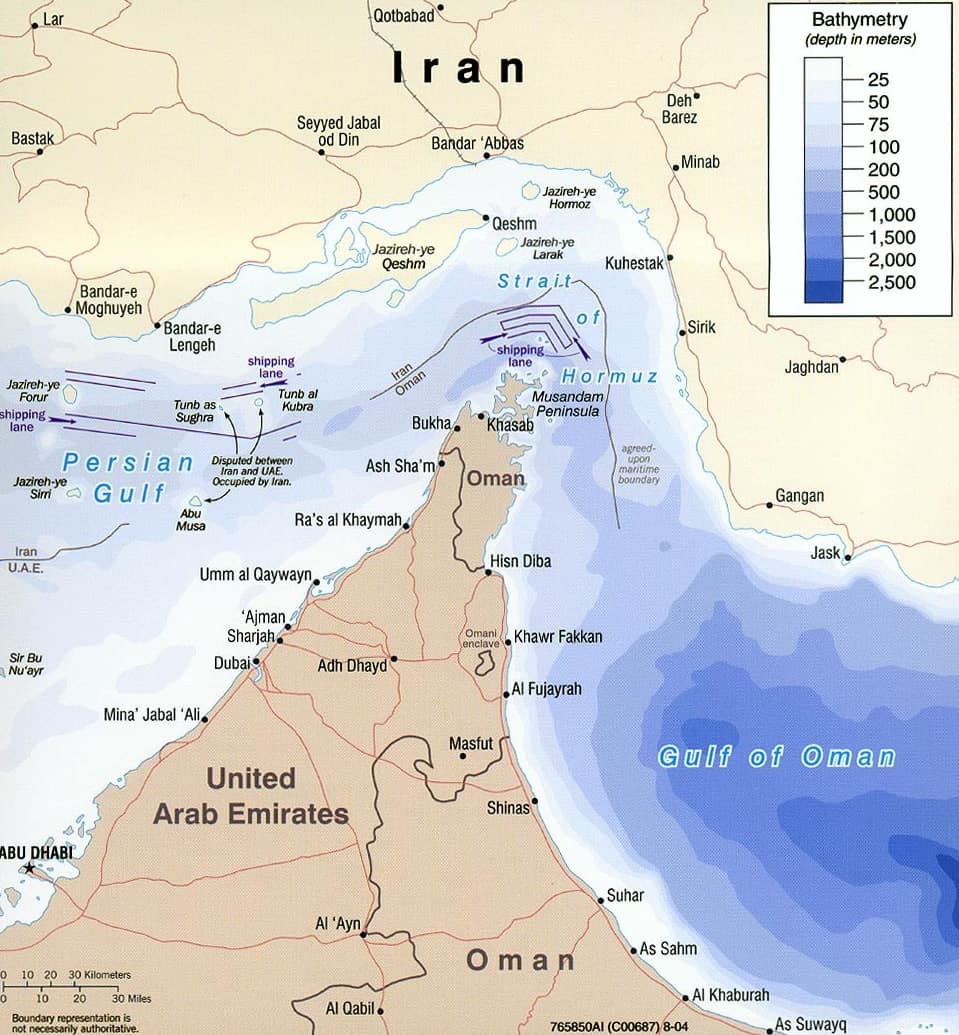
The stakes are enormous. The Strait of Hormuz is the sole sea exit from the Persian Gulf, and in 2024 about 20 million barrels a day of oil flowed through it, equal to roughly 20% of global petroleum liquids consumption. Around one-fifth of global LNG trade also moved through the waterway in 2023, according to U.S. energy data. With so much of the world’s oil and gas crossing a narrow channel between Oman and Iran, even a temporary closure can rattle shipping, strain energy markets and push costs higher for households and businesses far beyond the region.
U.S. officials have long described the strait as critical to international navigation, and the U.S. Energy Information Administration says few alternative routes exist if it is shut. That helps explain why the proposal is being read less as a peace plan than as a pressure tactic: Iran would restore passage, but only after the United States gives up the blockade and accepts that the nuclear file can wait.
Trump appears unlikely to accept the offer because it leaves the core dispute unresolved. The war’s commercial consequences have already been visible. After a ceasefire agreement on April 17, 2026, both the United States and Iran said the strait was open to commercial traffic, but questions remained over how quickly shipping would return to prewar levels. Earlier rounds of brinkmanship showed the same pattern, with Iran tying any reopening to broader concessions from Washington rather than addressing the nuclear issue first.
That makes Hormuz more than a shipping lane. It is a bargaining chip with consequences for energy security, diplomatic credibility and the price of relief. If the strait stays open, markets may breathe easier; if nuclear constraints weaken in the bargain, the cost could arrive later, in a more dangerous form.
This article was produced by Prism’s automated news system from verified source data, official records, and press releases, then run through automated quality and moderation checks before publishing. The system is built and supervised by the people who set the standards it runs under. Read our full AI policy.
Did this article answer your question?


