Sanctioned Russian billionaire’s superyacht crosses Strait of Hormuz amid blockade
A $500 million yacht tied to Alexey Mordashov slipped through Hormuz as most traffic stayed blocked, exposing how sanctions can bend at sea.
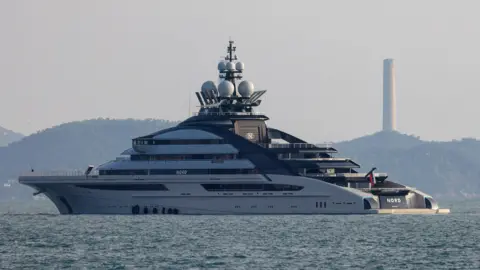
Nord, the 142-meter superyacht linked to sanctioned Russian billionaire Alexey Mordashov, crossed the Strait of Hormuz and reached Muscat even as traffic through the chokepoint remained tightly restricted. MarineTraffic data showed the vessel left a Dubai marina at about 1400 GMT on Friday, passed through the strait on Saturday morning and arrived in Oman early on Sunday.
The passage stands out because the Strait of Hormuz sits at the center of the U.S.-Iran confrontation and normally carries about one-fifth of the world’s oil supply, along with a major share of global LNG trade. Since February, Iran has severely restricted movement through the waterway, turning one of the world’s most important energy corridors into a highly controlled passage where commercial traffic has been sharply reduced.
Nord’s transit highlighted the gap between sanctions policy and enforcement at sea. The yacht, valued at more than $500 million, is a floating asset tied to Mordashov, a Putin ally who has long been among the most visible Russian oligarchs affected by Western pressure. It was not clear how the multi-deck vessel gained permission to use the route, a question that underscores how difficult it can be to police individual vessels even in a heavily monitored shipping lane.
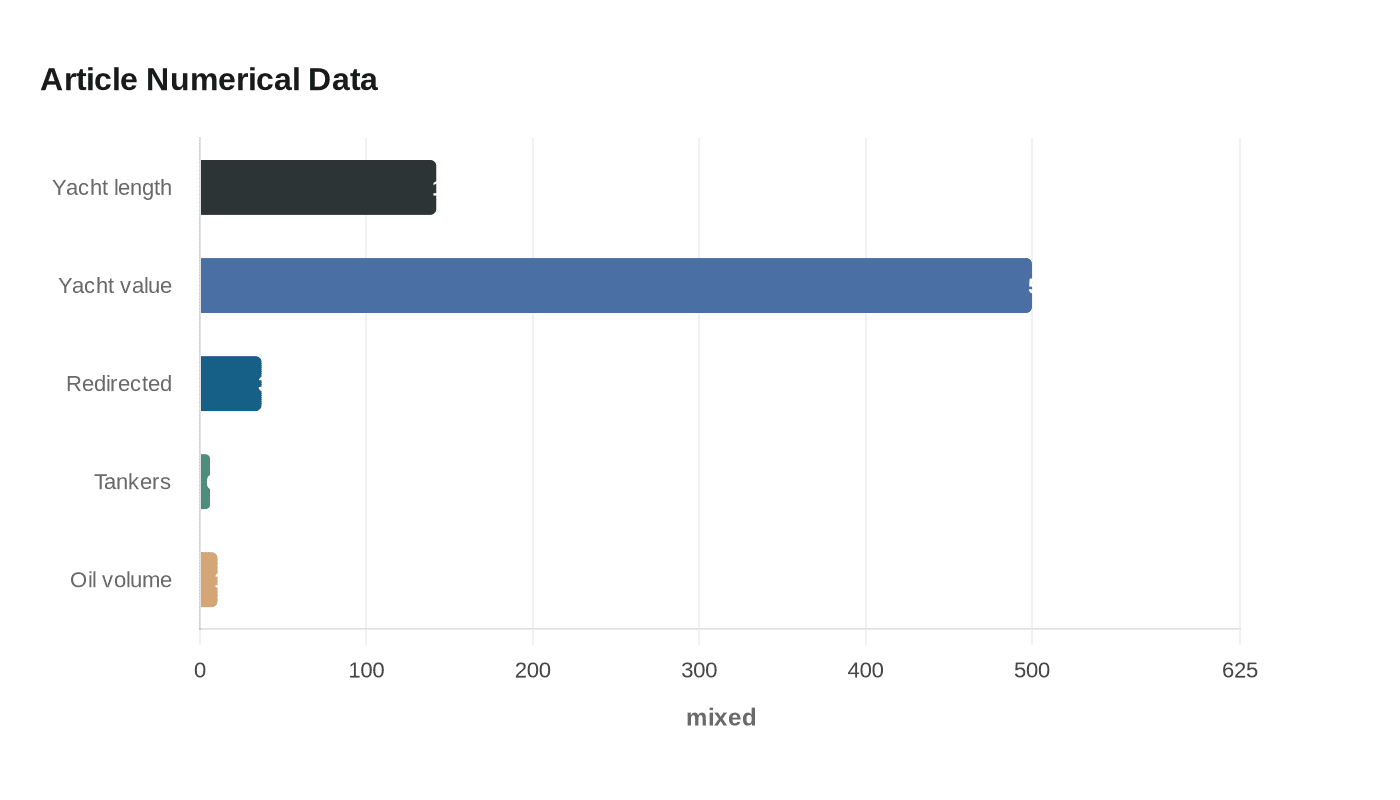
The broader shipping picture shows a route still under strain. U.S. Central Command said on April 25 that it had redirected 37 vessels since the blockade was imposed on April 13. Other traffic has been muted, with reports that only a handful of ships have been able to pass. In recent days, six Iranian tankers also returned to Iranian ports and sailed back through Hormuz carrying about 10.5 million barrels of oil, according to satellite analysis from TankerTrackers.com.
That combination of blocked commercial movement, redirected cargoes and an elite yacht slipping through points to the practical limits of maritime pressure campaigns. Hormuz remains a strategic choke point, but Nord’s crossing showed that access can still be negotiated, delayed or selectively granted even when the strait is being used as a lever in a wider geopolitical fight.
This article was produced by Prism’s automated news system from verified source data, official records, and press releases, then run through automated quality and moderation checks before publishing. The system is built and supervised by the people who set the standards it runs under. Read our full AI policy.
Did this article answer your question?


