Iran plans three-day Khamenei funeral as Tehran braces for millions
Tehran will stretch Khamenei’s farewell across three days, with a 24-hour procession and officials bracing for as many as 20 million mourners.
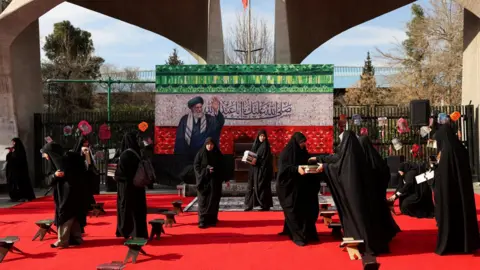
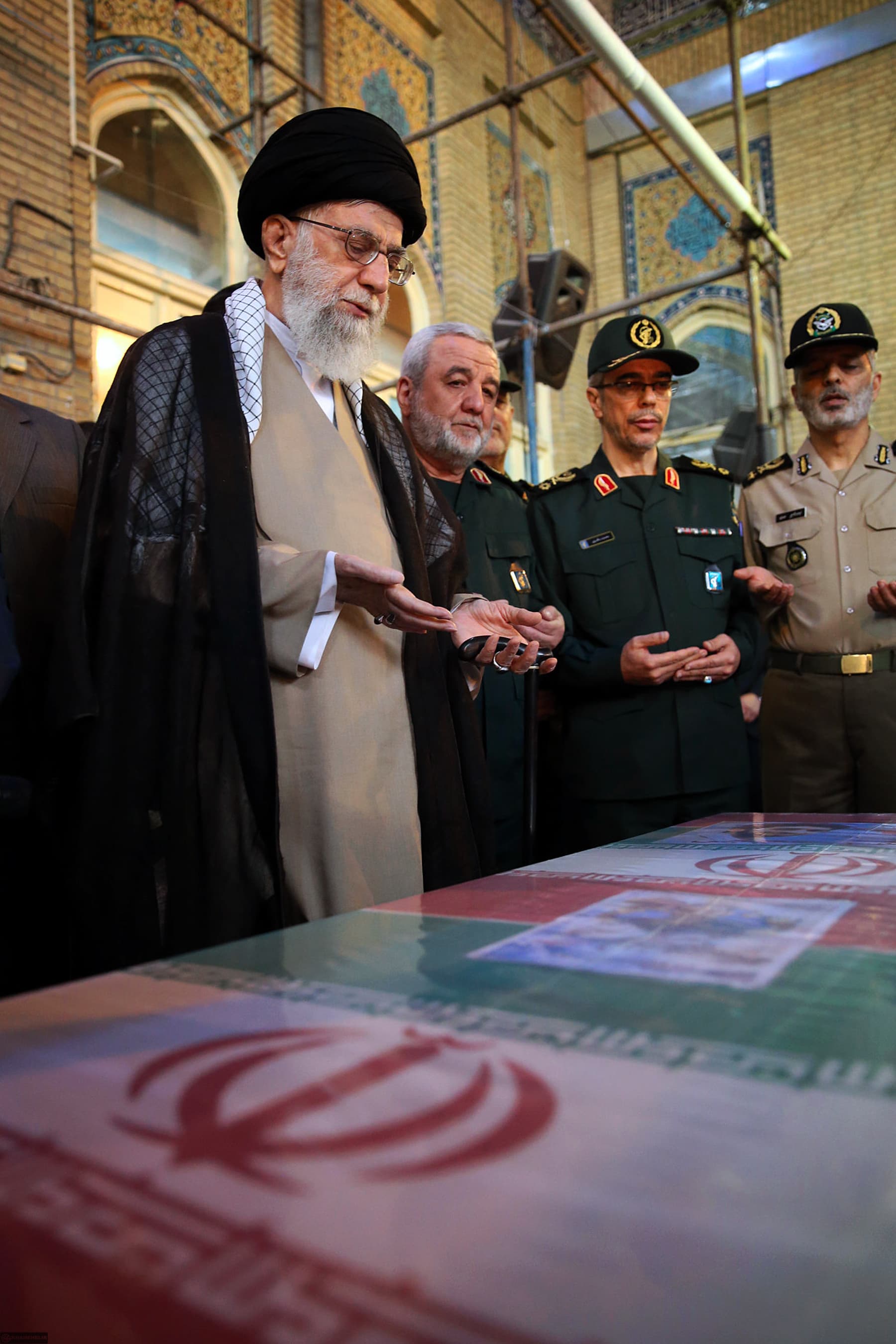
Tehran has turned Ayatollah Ali Khamenei’s funeral into a test of state control as much as a public farewell, with officials saying the ceremonies will last three days and include a 24-hour procession in the capital. Iranian state media has said as many as 20 million people could gather in Tehran, a scale that underscores both Khamenei’s weight in the system and the political message authorities want the mourning to send.
The plan has been revised repeatedly since Khamenei was killed on February 28, 2026, in what Iranian media described as the first day of the US-Israeli war against Iran. Authorities first scheduled a Tehran ceremony for March 4 at the Imam Khomeini Mosalla prayer ground, then postponed it as they prepared for what state television called an unprecedented turnout. The repeated delays have reflected more than logistics. They have signaled security fears, uncertainty over who will attend from abroad, and the unresolved questions surrounding succession after decades of Khamenei’s rule.
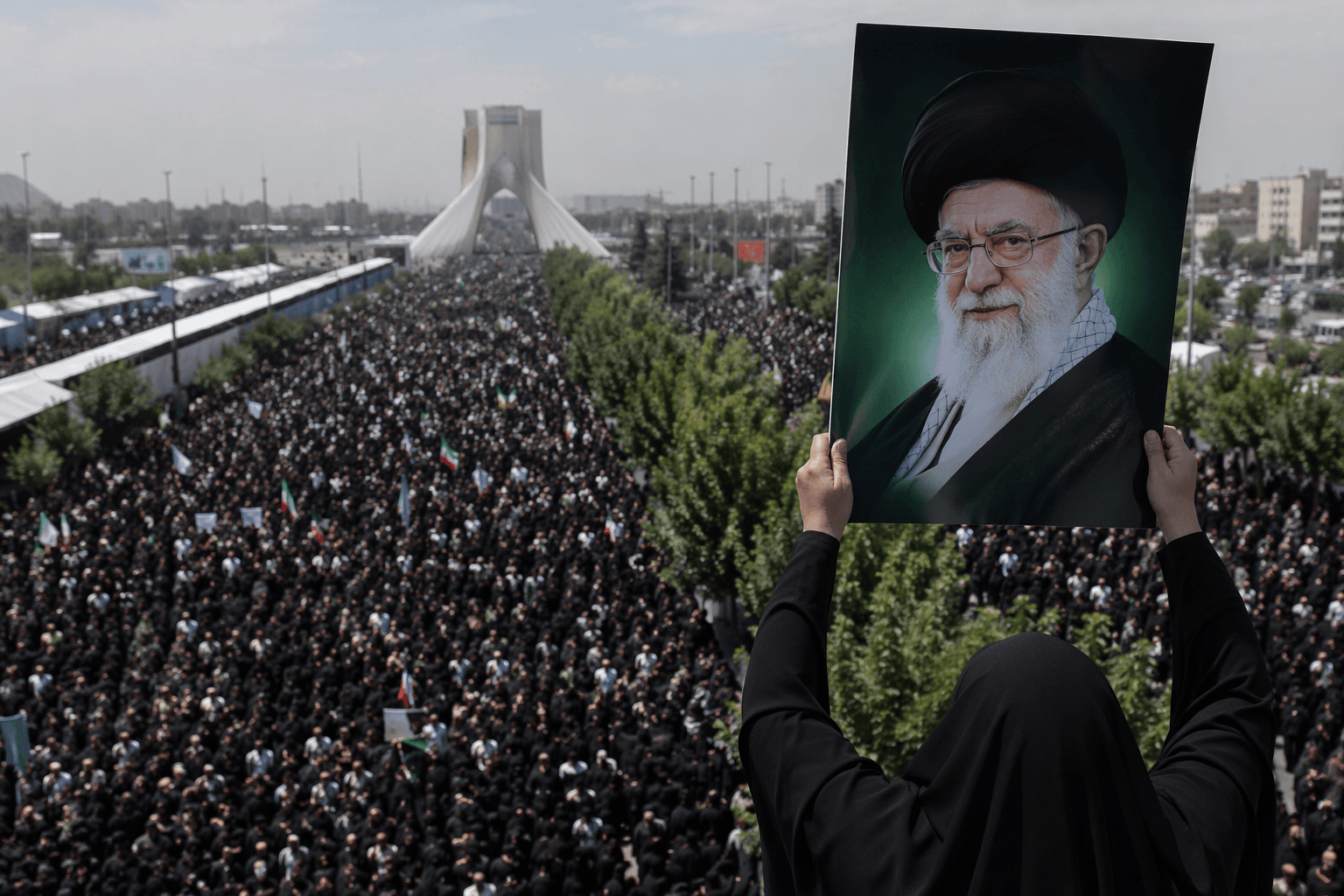
Tehran officials now say the farewell will span three days, with the capital as the center of gravity. The original burial concept reportedly envisioned a multi-stage procession through Tehran, Qom and Mashhad before burial, but that plan was later altered. The revisions point to a leadership trying to choreograph grief at a moment when public emotion, elite continuity and security planning are all tightly intertwined.
Mashhad has emerged as another key site in the state’s preparations. Astan Quds Razavi and the Islamic Revolutionary Guards Corps in Khorasan Razavi Province have arranged special measures to host pilgrims and carry out the burial ceremony. That emphasis on Mashhad places one of Iran’s most important religious cities at the center of the state’s effort to frame the burial as both sacred rite and political transition.
The scale of the event has also brought an information battle. AFP fact checks documented misinformation and recycled footage falsely linked to the funeral, a reminder that the surrounding narrative is as contested as the procession itself. For Iranian authorities, the public mourning is now doing double duty: honoring a supreme leader who dominated the system for decades while projecting that the state remains intact, disciplined and in command at a fragile moment.
This article was produced by Prism’s automated news system from verified source data, official records, and press releases, then run through automated quality and moderation checks before publishing. The system is built and supervised by the people who set the standards it runs under. Read our full AI policy.
Did this article answer your question?