Iran presents 14-point counterproposal to U.S. on ending war, reports say
Iran’s 14-point counterproposal would compress the timetable to 30 days and demand U.S. troop withdrawals, sanctions relief and a new Strait of Hormuz regime.

Iran has put forward a 14-point counterproposal that would force the war onto a far shorter clock than Washington appears to prefer, while demanding a rollback of U.S. military pressure around the country. The plan, carried through Pakistani mediators and reported by Iranian outlets including Tasnim, Fars and Press TV, called for all issues to be resolved within 30 days rather than a two-month ceasefire.
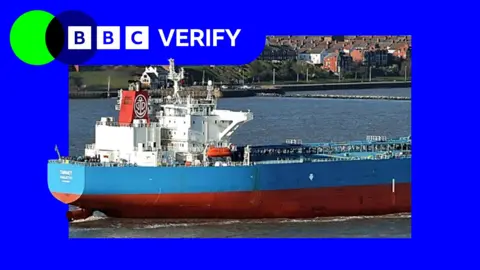
The Iranian terms go well beyond a pause in fighting. They call for guarantees against future military aggression, the withdrawal of U.S. forces from areas surrounding Iran, an end to the naval blockade, the release of frozen Iranian assets, compensation, lifting sanctions and an end to the war on all fronts, including Lebanon. The proposal also seeks a new mechanism governing the Strait of Hormuz, the narrow waterway through which about one-fifth of the world’s oil and liquefied natural gas moves in peacetime, a fact that makes the dispute a global energy issue as much as a regional one.

Taken against the earlier U.S. framework, the Iranian response reads less like a concession than a mirror image of Washington’s demands. The U.S. proposal reportedly pressed for a ceasefire over two months and, in one account, a 15-point framework that included reopening the Strait of Hormuz and ending Iran’s nuclear program. Iran’s counterproposal shifts the emphasis away from nuclear containment and toward sanctions relief, asset recovery and an end to the military and maritime measures Washington has used to pressure Tehran.
The hard lines are visible on both sides. For Tehran, no settlement appears possible without troop withdrawals, an end to the blockade and some form of compensation. For Washington, a deal would have to show that Iran is prepared to accept a durable halt in regional escalation. That is why the latest exchange looks like both movement and deadlock at once: Iran has put a structure on the table, but it is one built around demands the U.S. is unlikely to accept without major concessions.
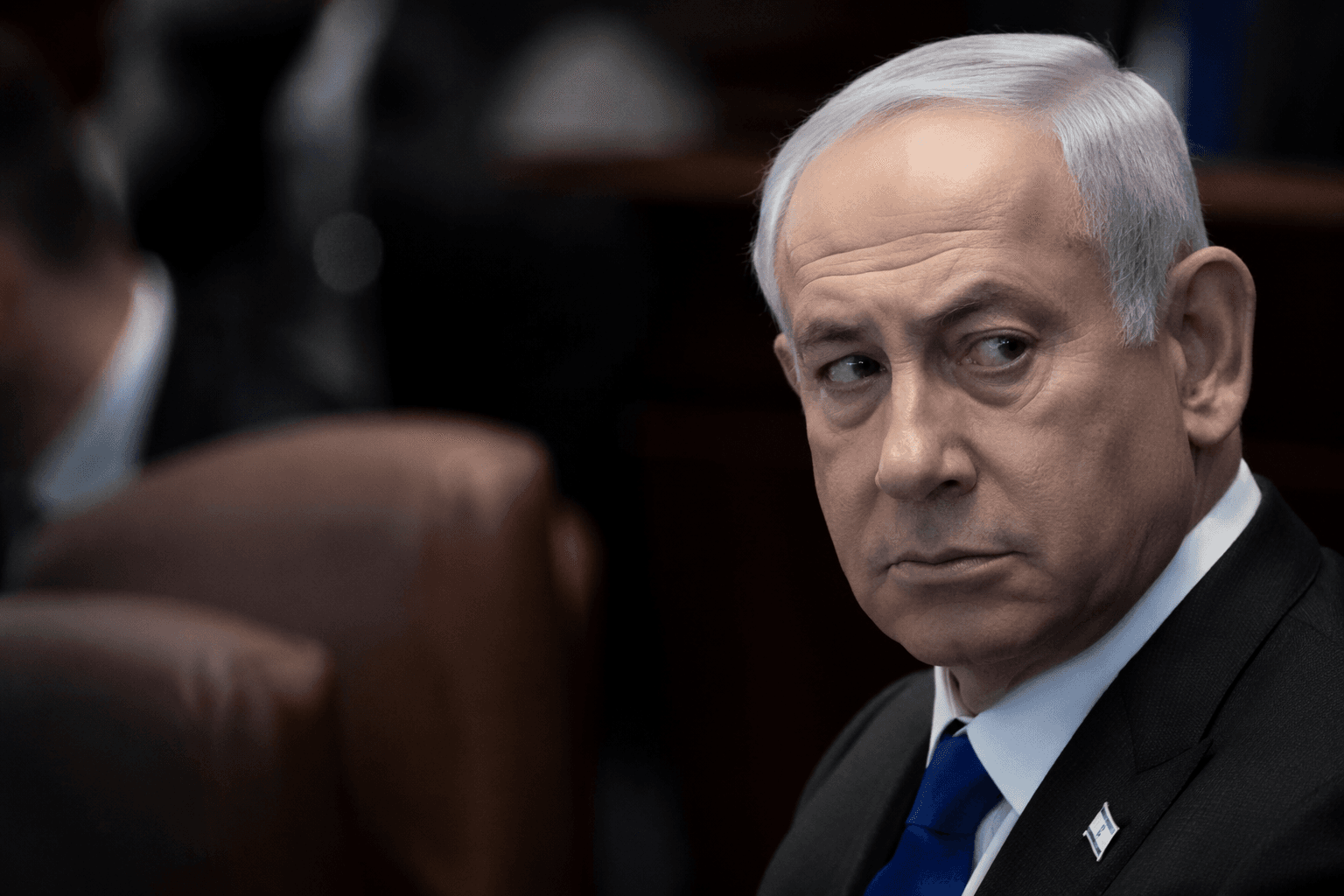
Donald Trump said on May 2 that he was reviewing the proposal, but that he could not imagine it being acceptable. He said Iran had not yet “paid a big enough price” for its actions over the past 47 years and left open the possibility of resuming strikes if Iran misbehaves. NPR said it could not independently verify the contents of the Iranian proposal. The result is a negotiating track that may be opening, but not yet narrowing the distance between war-ending language and the entrenched positions that still define it.
This article was produced by Prism’s automated news system from verified source data, official records, and press releases, then run through automated quality and moderation checks before publishing. The system is built and supervised by the people who set the standards it runs under. Read our full AI policy.
Know something we missed? Have a correction or additional information?
Submit a Tip