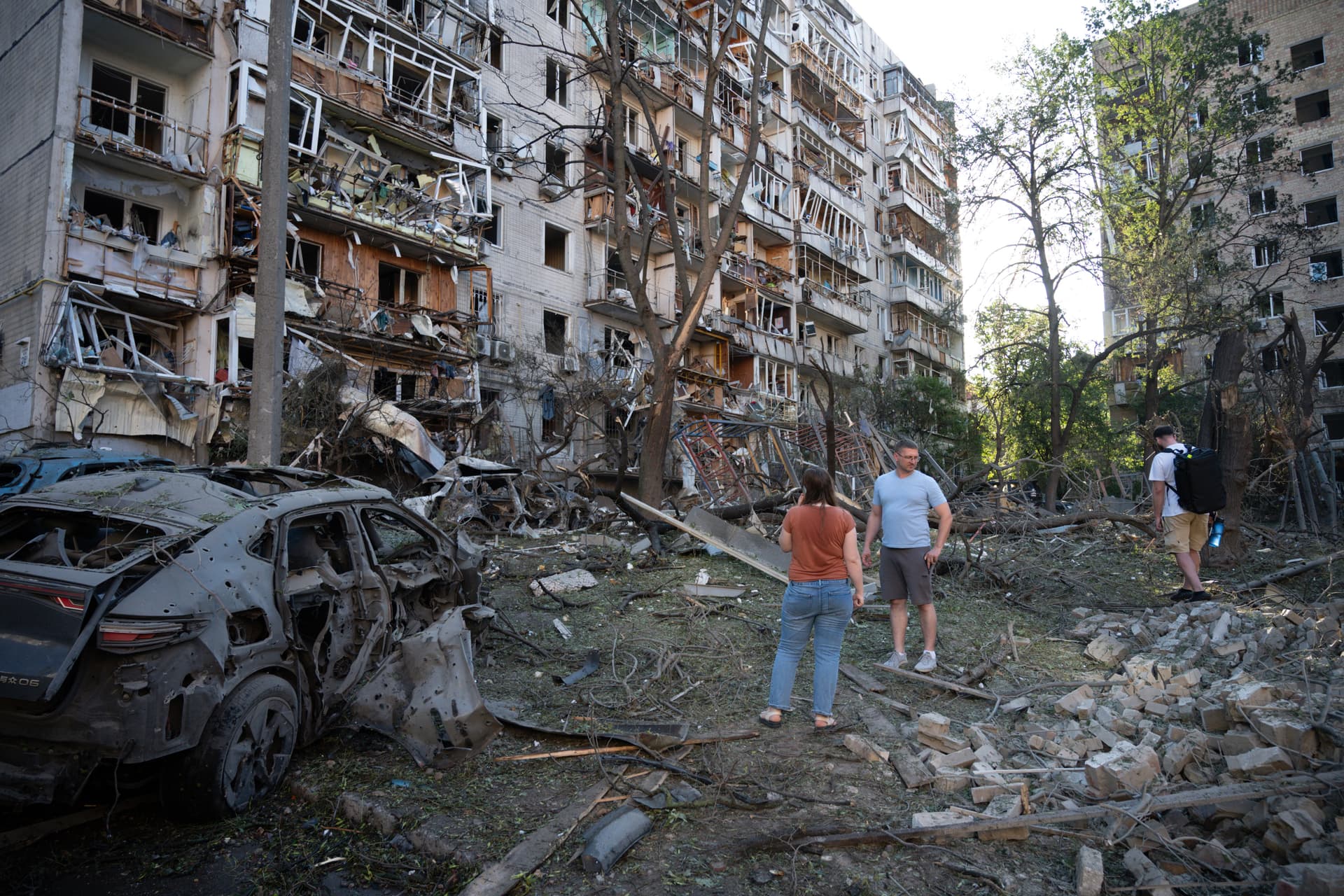
Iran quietly prepares for U.S. talks as Trump threatens renewed strikes
Iran is denying new talks with Washington in public while privately preparing to attend, as Trump warns the ceasefire could end in renewed bombing.
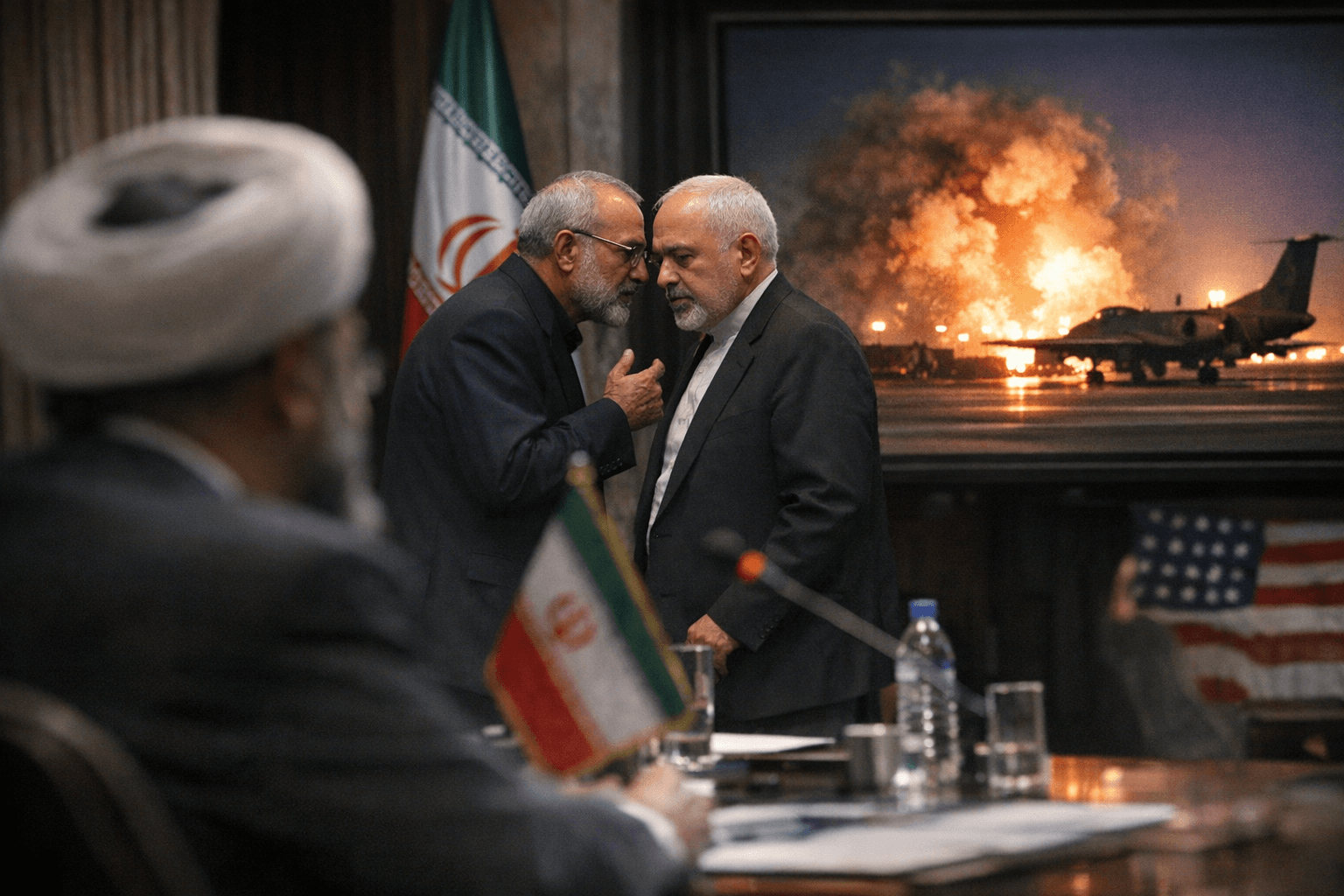
Iran is publicly refusing to confirm a second round of talks with the United States even as it quietly makes plans to show up, a split that has exposed how fragile the diplomacy has become as Donald Trump threatens to resume bombing if the ceasefire fails. The mixed signals have turned the follow-on negotiations into a test of whether pressure can force a deal, or push both sides back toward escalation.
Pakistan has been working to keep the process alive and said it had received a positive signal from Tehran, with officials in Islamabad confident they could bring Iranian negotiators to the table. U.S. officials had been preparing for Vice President JD Vance to travel to Islamabad for the next round, underscoring how far the talks have advanced despite the public denials coming out of Tehran. Trump said he did not want to extend the ceasefire and warned that the United States could resume bombing if the talks failed.
The first round of high-level U.S.-Iran talks took place in Islamabad on April 11 and 12, and the stakes were immediately clear. Those sessions were described as the most significant direct engagement between the two countries in decades, but they left key issues unresolved. Iran’s deputy foreign minister said no date had been set for the next round and that a framework of understanding had to be agreed first, with sanctions and other commitments still on the table.
Iran’s public silence reflects the pressure of hard-line politics at home, where concessions to Washington remain deeply unpopular. Iranian state media said Tehran did not plan to participate in the new round of talks, citing the U.S. blockade of Iranian ports, even as other reporting said Iranian negotiators were privately planning to attend. That gap between public defiance and private preparation has become central to the diplomacy, which depends on both sides signaling strength while still leaving room for compromise.
The Strait of Hormuz has made the crisis even more combustible. Shipping disruptions and the seizure of an Iranian-flagged cargo ship have intensified tensions in a waterway critical to global oil flows, and the talks are already affecting markets and maritime traffic. For Trump, the choice is to strike harder or claim a deal quickly. For Tehran, the choice is whether to keep rejecting talks under threat or risk being seen at home as giving in. The result is a negotiation in which each side is trying to project resolve while quietly preparing for the opposite.
This article was produced by Prism’s automated news system from verified source data, official records, and press releases, then run through automated quality and moderation checks before publishing. The system is built and supervised by the people who set the standards it runs under. Read our full AI policy.
Did this article answer your question?