British Counter-Terrorism Police Arrest Eight Over Suspected London Arson Plot
Eight arrests followed a counter-terrorism probe into arson attacks that police believe targeted a venue linked to London’s Jewish community.
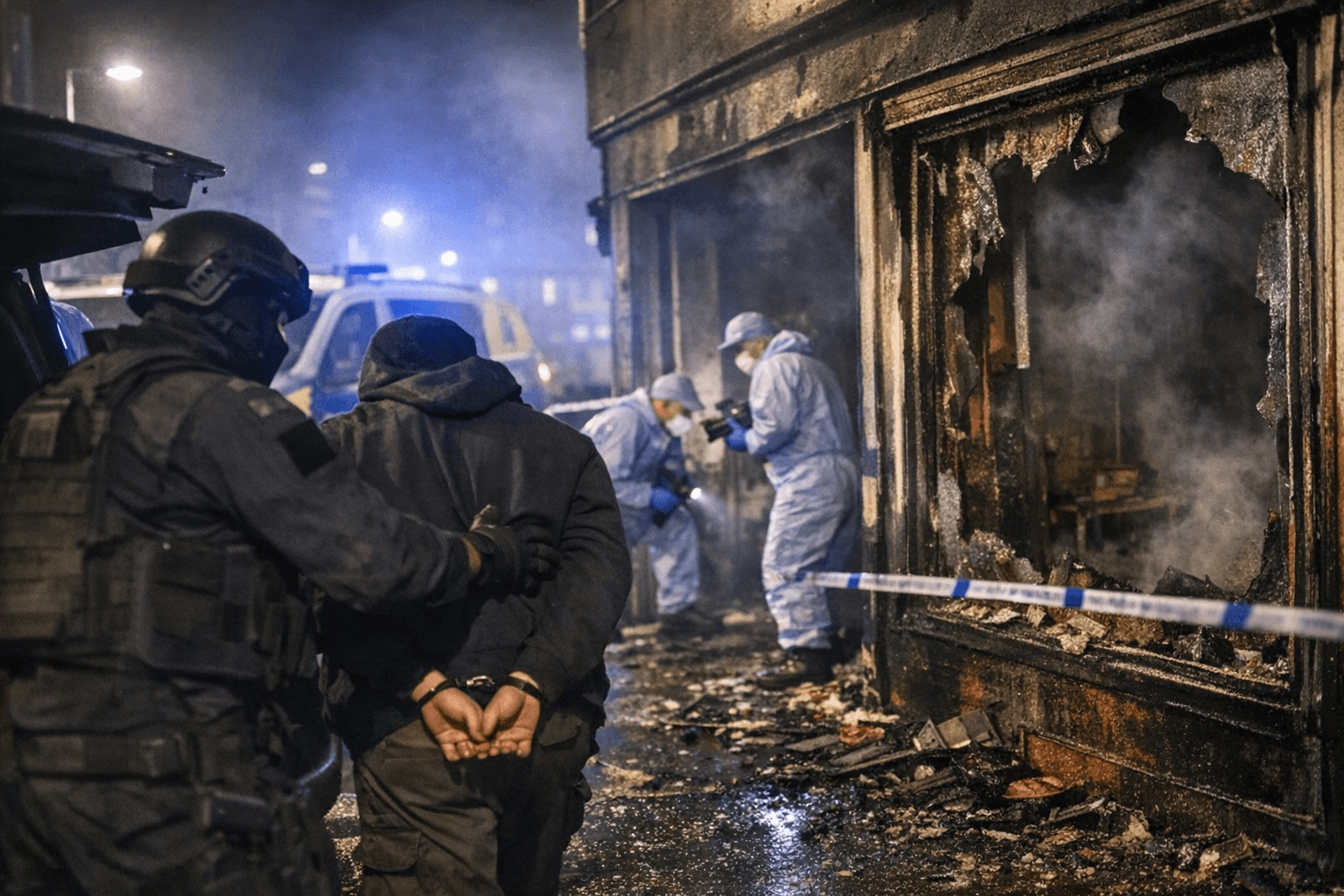
British counter-terrorism police said eight people had been arrested in connection with suspected arson attacks in London, in a case now being treated as a serious threat to both public safety and Jewish communal life. Officers said they believed the intended target of the alleged conspiracy was a venue related to the Jewish community, though the specific site had not been identified. Seven of the arrests were made in the previous 48 hours, and detectives were searching a premises in east London.
The Metropolitan Police described the case as a proactive investigation into alleged conspiracy to commit arson. The force has not publicly identified the suspects, said little about how the alleged plot was organized, and did not say whether any weapons or accelerants were recovered. That restraint is typical of an active counter-terrorism inquiry, but the decision to involve specialist officers signals that investigators see the possibility of a hate-crime or extremist dimension, not just a string of isolated blazes.
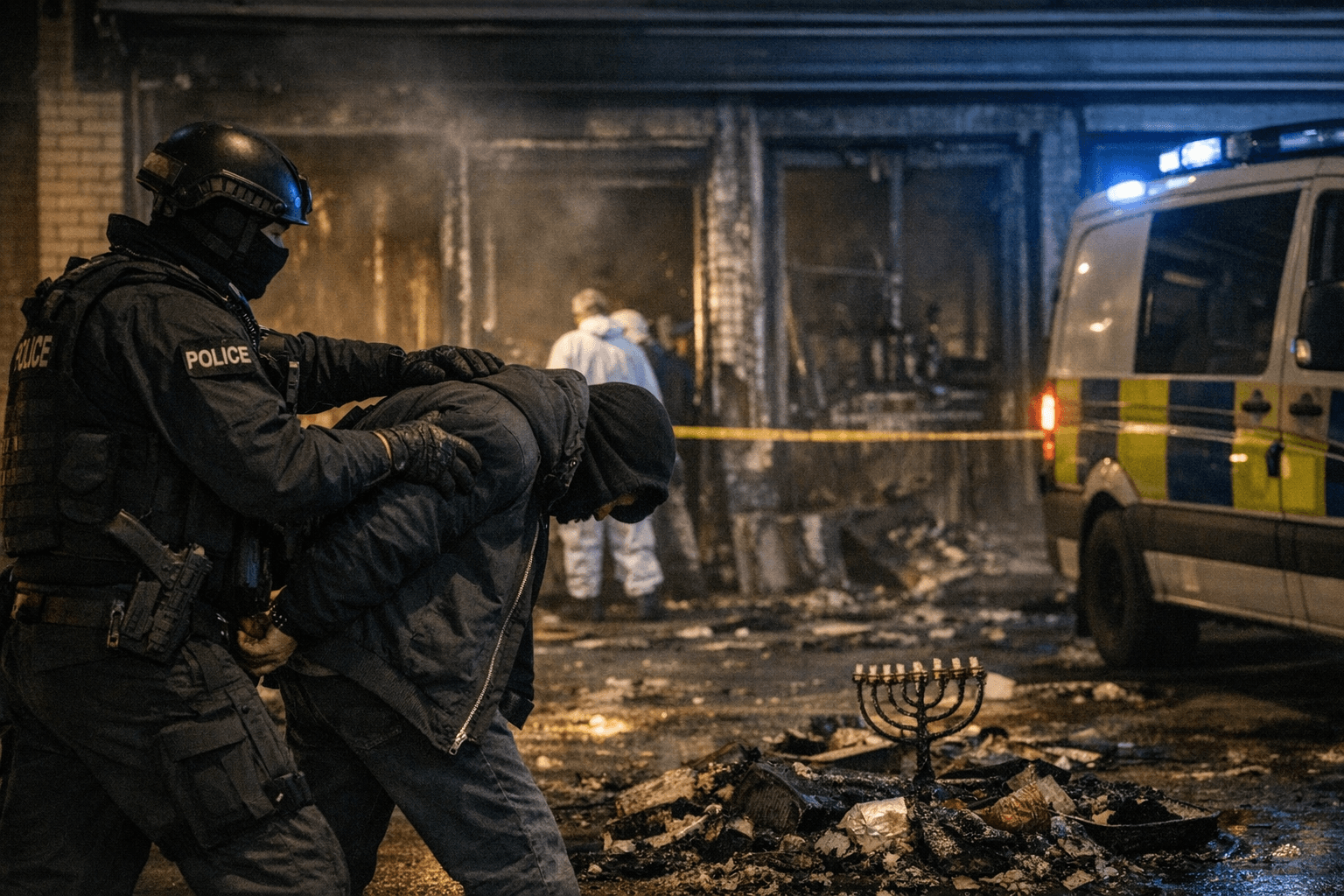
The arrests build on an earlier inquiry into three separate arson attacks in north west London. Police said those incidents included the March 23 attack on four Hatzola ambulances in Golders Green, an attempted arson at a synagogue in Finchley shortly after midnight on April 15, and an arson attack on the offices of a Persian-language media organisation in north west London that same day. The Met said the cases were similar enough in method and location that Counter Terrorism Policing London was leading the investigations.
The broader context is troubling. The Community Security Trust recorded 3,700 antisemitic incidents in the UK in 2025, its second-highest annual total on record after 4,298 in 2023. That pattern has left Jewish institutions across Britain under continued pressure to harden security, balance openness with protection, and rely more heavily on volunteers, guards and rapid reporting systems just to maintain ordinary communal life. Police and community groups have urged people to remain vigilant and report suspicious activity, a message that reflects how quickly fear can spread after attacks on places of worship, charities or community-run services.
Deputy Assistant Commissioner Vicki Evans said some of the incidents had been claimed online by a group calling itself Ashab al-Yamin, or the Islamic Movement of the Companions of the Right, and police said they were alive to the possibility of Iranian state aggression in the UK, although they have not publicly confirmed motive. The UK chief rabbi, Ephraim Mirvis, said British Jews were facing a “sustained campaign of violence and intimidation,” while Prime Minister Keir Starmer said he was appalled and vowed to bring the perpetrators to justice. For London’s Jewish community, the question now is whether arrests will bring reassurance, or merely confirm how exposed communal life has become.
This article was produced by Prism’s automated news system from verified source data, official records, and press releases, then run through automated quality and moderation checks before publishing. The system is built and supervised by the people who set the standards it runs under. Read our full AI policy.
Did this article answer your question?