Iran distrusts Trump in new talks, fearing repeat of nuclear deal betrayal
Iran is treating talks with Trump through the lens of 2018, when he abandoned the nuclear deal and exposed how fragile U.S. promises can be.
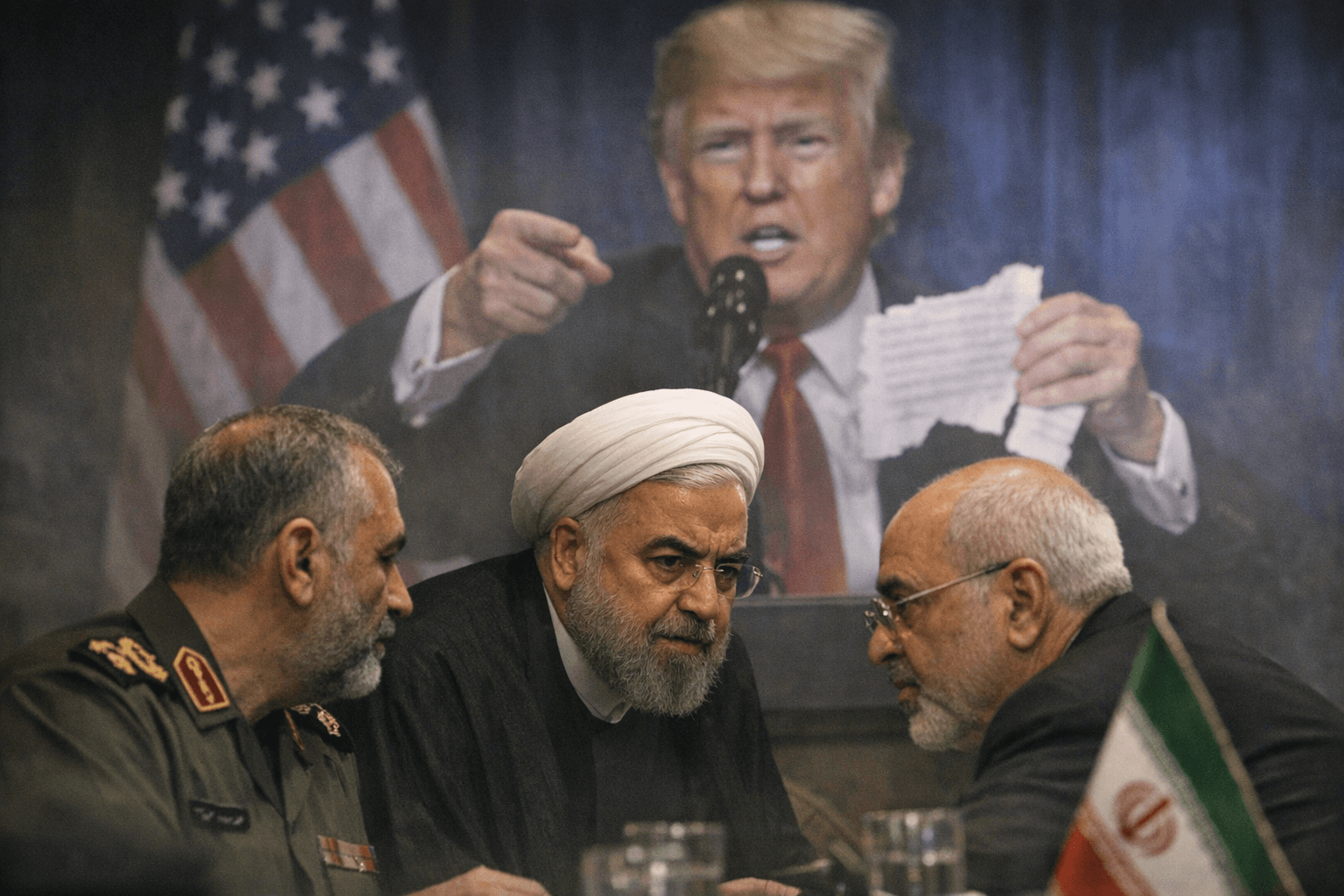
Iranian leaders are entering new nuclear talks with a blunt memory of Donald Trump’s first term: Washington can sign a deal one year and walk away the next. That history, more than any single technical dispute over centrifuges or uranium limits, is shaping Tehran’s posture now and slowing expectations for a quick breakthrough.
The original Joint Comprehensive Plan of Action was reached in July 2015 between Iran, the United States, the other P5+1 powers and the European Union. It took effect on January 16, 2016, after the International Atomic Energy Agency verified that Iran had completed key initial steps, including shipping out about 25,000 pounds of enriched uranium, dismantling about two-thirds of its centrifuges and accepting more intrusive inspections. In return, Iran was supposed to receive sanctions relief, while the deal’s restraints were set to expire over roughly 10 to 25 years.
Trump blew up that structure on May 8, 2018, when the United States announced its withdrawal. He later branded the JCPOA the “worst deal ever,” arguing that it did not go far enough in constraining Iran. For Iranian officials, the exit did more than end one agreement. It weakened confidence that any future U.S. commitment would survive the next election or the next shift in Washington’s political mood.
That institutional doubt remains central now. Trump said in April 2026 that any new agreement would be better than the 2015 accord, but analysts and former negotiators say mutual mistrust makes a fast deal unlikely. The problem is not only whether the parties can settle the terms. It is whether either side believes those terms will still hold when political power changes hands again.
Inside Iran, that credibility gap carries its own domestic consequences. Hardliners have argued that the 2018 withdrawal proved the United States cannot be trusted, leaving Iranian officials such as Abbas Araghchi under pressure as talks continue. Ali Khamenei’s camp knows that any agreement seen as too dependent on Trump’s word could become a liability at home if Washington reverses course again. In that sense, the obstacle is larger than diplomacy. It is the durability of American commitments themselves.
This article was produced by Prism’s automated news system from verified source data, official records, and press releases, then run through automated quality and moderation checks before publishing. The system is built and supervised by the people who set the standards it runs under. Read our full AI policy.
Did this article answer your question?