U.S. to host G20 talks on war-driven food, fertilizer disruptions
U.S. officials will press G20 members to keep fertilizer and food trade open as war shocks threaten prices and food security far beyond the Middle East.
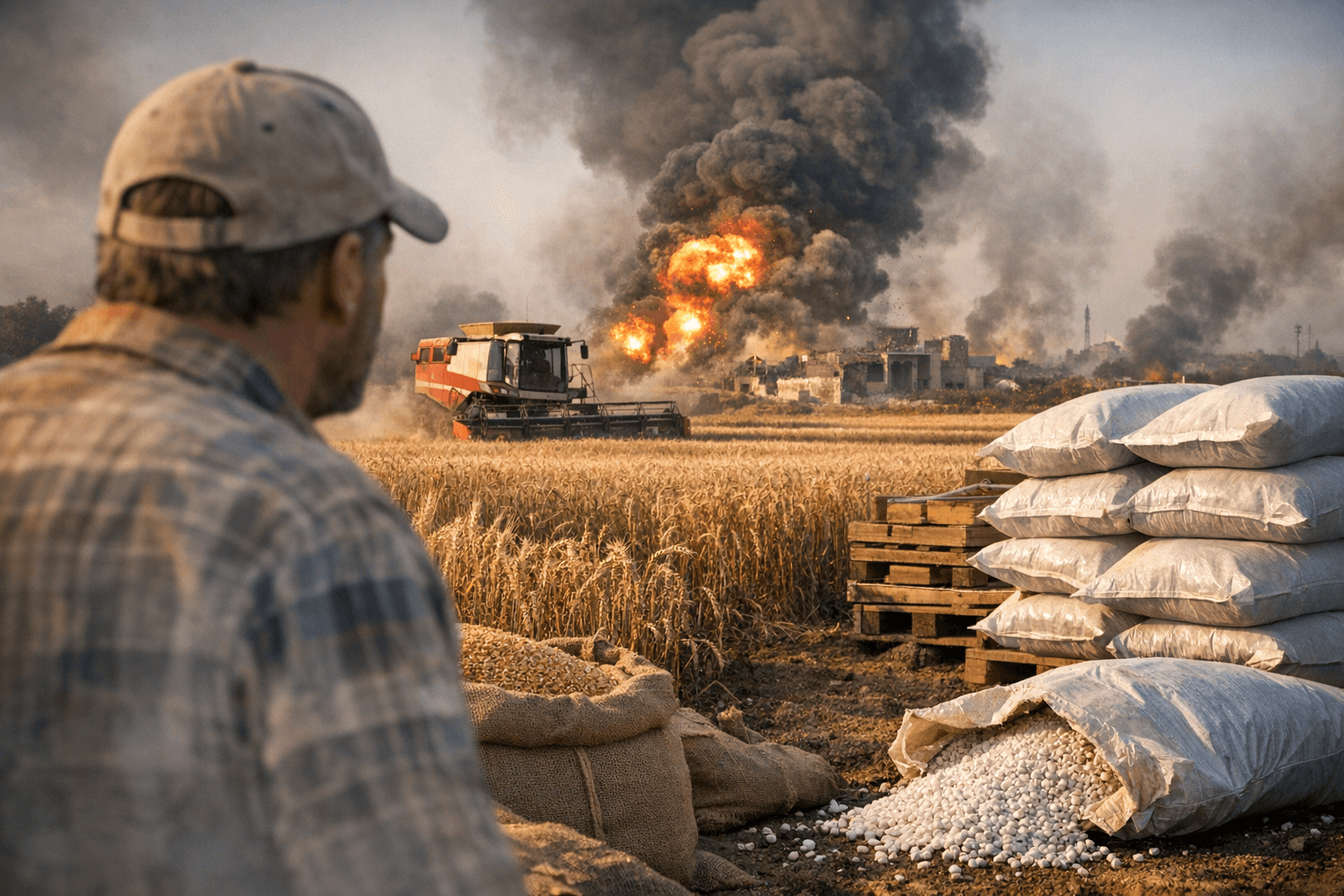
The United States will host fresh G20 talks in the coming weeks as leaders try to contain the war in the Middle East’s growing threat to food and fertilizer supplies, a problem that could hit prices, planting seasons and import-dependent countries well beyond the conflict zone.
The move followed a finance ministers and central bank governors meeting on Thursday, April 16, 2026, in Washington, D.C., alongside the spring gatherings of the International Monetary Fund and the World Bank Group. Because the members could not agree on a full communique, the U.S. used a chair’s statement to lay out the limited consensus: many members backed efforts to keep food and fertilizer supply chains functioning and avoid export prohibitions or restrictions on fertilizers.
The Treasury statement said members discussed the economic effects of the Middle East conflict on agriculture markets, value chains and fertilizer, with particular concern for low-income and vulnerable countries. It also said many members welcomed coordination efforts by the IMF and World Bank Group, while others committed to staying agile in macroeconomic policy and to exploring coordinated action to promote food security and market stability. The U.S. said the G20 presidency would host further discussions on food and fertilizer in the coming weeks.
Treasury Secretary Scott Bessent had already pushed the G20, the IMF and the World Bank to act together, arguing that fertilizer shipment disruptions could undercut planting seasons and deepen food insecurity. Senior officials said a majority of G20 members backed the U.S.-led initiative, though some could not confirm action by the end of the week. Staff-level work is set to continue toward an actionable consensus, a sign that the process has moved beyond crisis messaging and into damage control for the wider economy.
The stakes are broad. Officials estimate that as many as 45 million more people could face food insecurity if fertilizer and shipping problems persist, while the IMF has forecast that at least a dozen countries may seek new programs because of the war. The G20’s composition, which includes Russia, China, Saudi Arabia, the African Union and the European Union, gives the talks unusual geopolitical weight even as it makes agreement harder. The United Nations has also been pressing a separate humanitarian corridor through the Strait of Hormuz to move fertilizer and other goods. Whether the G20 can keep supply chains open may determine how far this conflict spreads into food markets, farm economies and humanitarian planning worldwide.
This article was produced by Prism’s automated news system from verified source data, official records, and press releases, then run through automated quality and moderation checks before publishing. The system is built and supervised by the people who set the standards it runs under. Read our full AI policy.
Did this article answer your question?


