U.S. Demands Iraq Dismantle Iran-Backed Militias After Attacks on Americans
Washington has ordered Baghdad to rein in Iran-backed militias after sanctions on seven commanders and a warning that attacks in central Baghdad could be imminent.
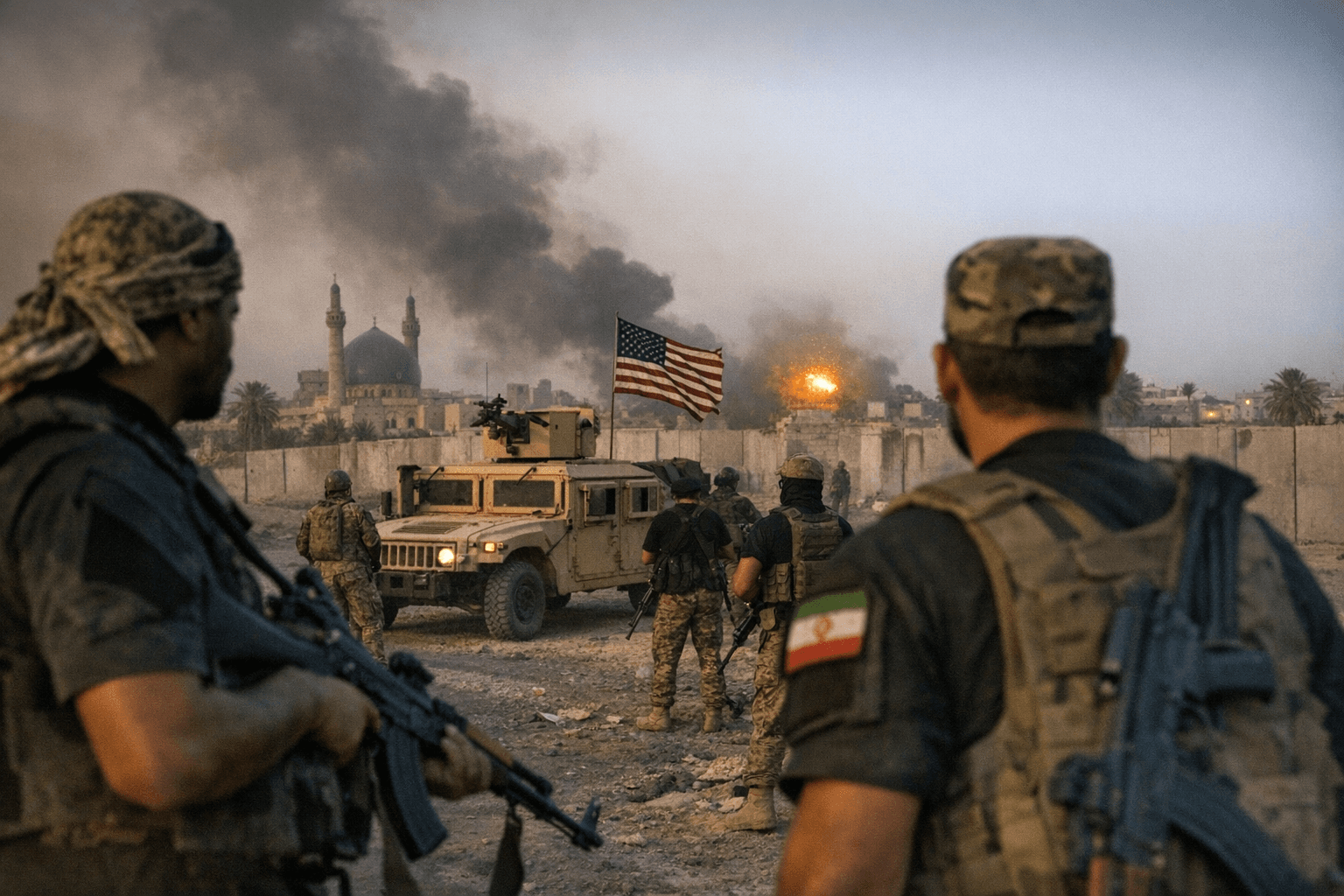
Washington is pressing Baghdad to dismantle Iran-backed militias after attacks on Americans and U.S. sites in Iraq, putting Iraqi sovereignty against the weight of U.S. leverage and the country’s reliance on American support. On April 17, the Treasury sanctioned seven Iraqi militia commanders tied to attacks on U.S. personnel, facilities and interests, naming Kata’ib Hizballah, Kata’ib Sayyid Al-Shuhada, Harakat Al-Nujaba and Asa’ib Ahl Al-Haqq.
The pressure intensified after U.S. officials warned Americans in Iraq on April 2 to leave immediately. They said Iran-aligned militia groups may have been preparing attacks in central Baghdad within 24 to 48 hours and could try to disguise themselves as affiliated with the Iraqi government. The warning said the groups could target businesses, universities, diplomatic facilities, energy infrastructure, hotels and airports, a sign that the threat had widened beyond military sites to the civilian economy and daily life.
For Baghdad, the problem is structural as much as political. Many of the Iran-backed militias are funded through Iraq’s state budget and embedded in the security apparatus, making them part of the state they are also accused of undermining. The Popular Mobilization Forces were formed in 2014 to fight the Islamic State, but they now include several factions Washington designates as terrorist organizations. That leaves Prime Minister Mohammed Shia al-Sudani squeezed between domestic armed power centers and U.S. demands, even as Marco Rubio and Pete Hegseth press Baghdad to reduce Iran’s influence and ensure only state institutions control weapons.
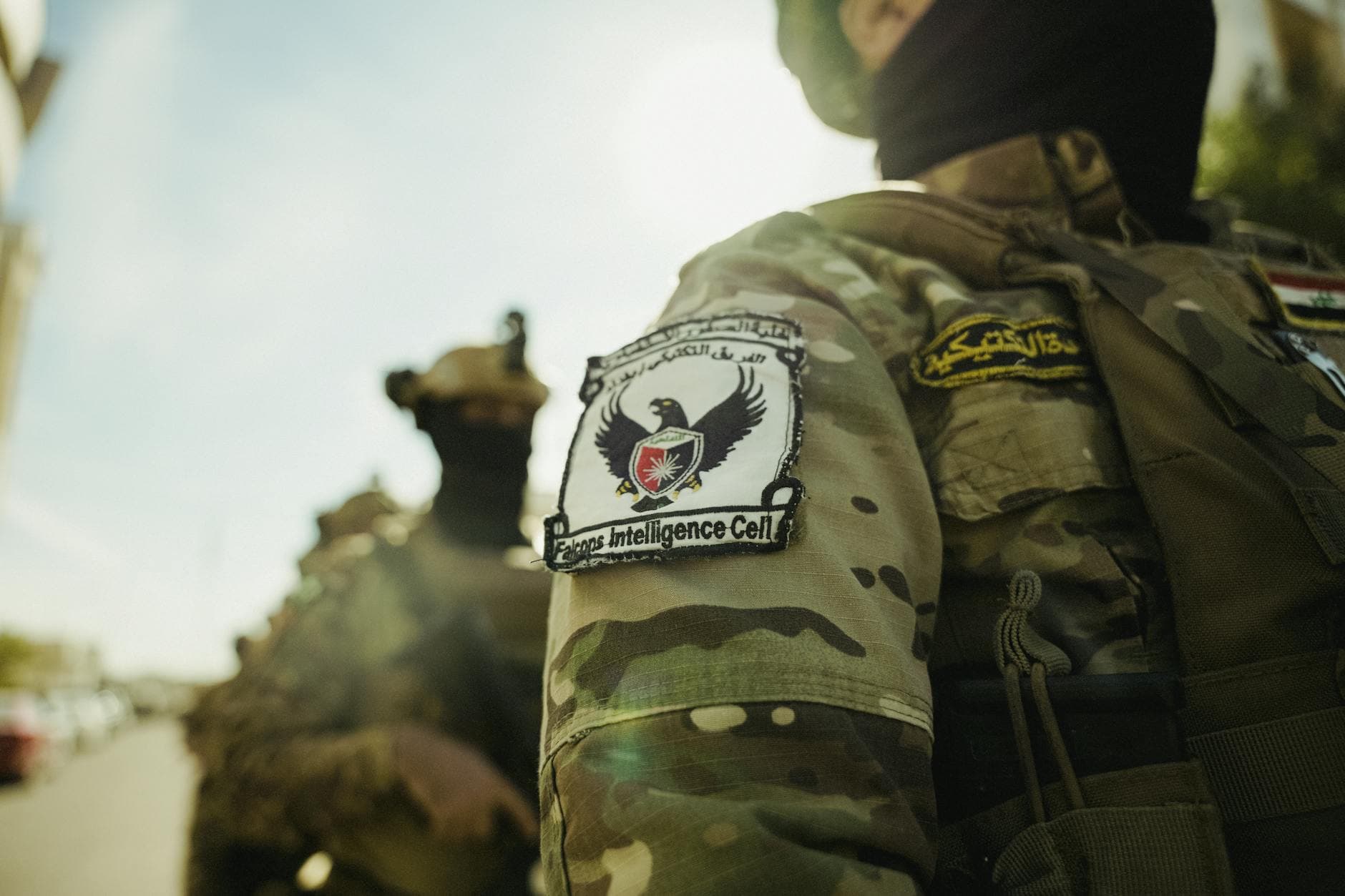
The violence has already moved from rhetoric to repeated attacks. In March, militia strikes targeted the U.S. Embassy in Baghdad and the U.S. Diplomatic Support Center at Baghdad International Airport. The Kurdistan Region had been hit by almost 300 drone and missile attacks by March 13, underscoring how far the campaign had spread beyond the capital. On March 18, Kata’ib Hezbollah said it might halt attacks for five days if certain conditions were met, while other groups said they would continue, exposing a fractured landscape rather than a disciplined command.
That fragmentation now matters even more because Iran has granted its commanders greater autonomy over militias in Iraq, allowing some groups to act without Tehran’s approval. The shift could make the armed factions harder for Baghdad to control and harder for Iran itself to rein in. For Iraq, the danger is that a domestic struggle over armed groups becomes a wider U.S.-Iran confrontation fought on Iraqi soil, with the state’s institutions, security forces and civilians trapped in the middle.
This article was produced by Prism’s automated news system from verified source data, official records, and press releases, then run through automated quality and moderation checks before publishing. The system is built and supervised by the people who set the standards it runs under. Read our full AI policy.
Did this article answer your question?


