Iran Rejects Trump Deadline as Both F-15 Crew Members Are Rescued
A CIA-pinpointed colonel was pulled from Iran's mountains as IRGC forces raced to reach him first, while Tehran dismissed Trump's 48-hour deadline as "helpless and stupid."
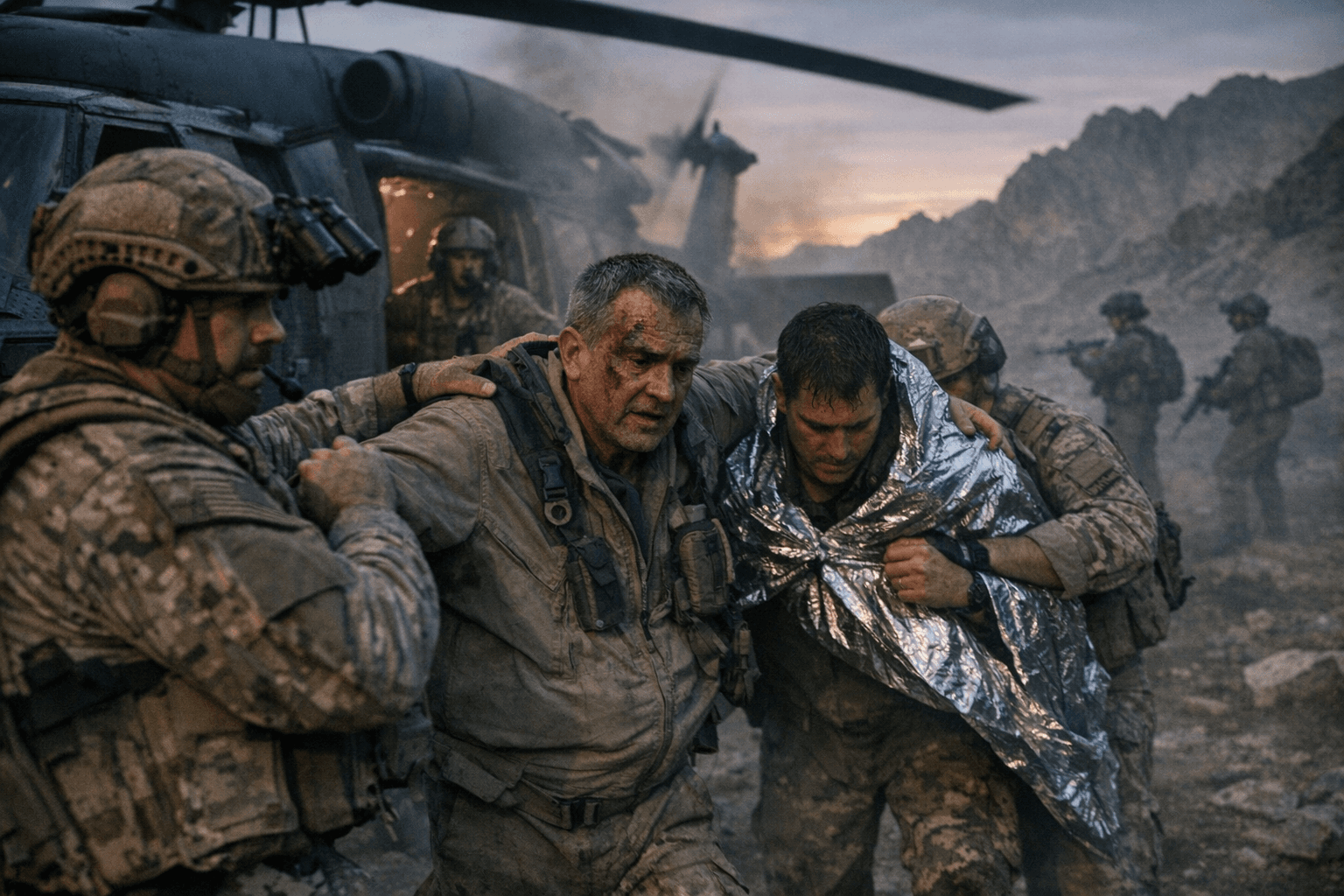
Both crew members from the downed F-15E Strike Eagle were rescued from Iranian territory on Saturday, capping a nearly 48-hour operation that drew in CIA intelligence, Air Force strike aircraft, and a direct order from President Trump in the White House Situation Room. The achievement did nothing to cool the broader standoff: Iran flatly rejected Trump's 48-hour ultimatum to open the Strait of Hormuz or face military consequences, with a senior Iranian military official describing the threat as "a helpless, nervous, unbalanced and stupid action."
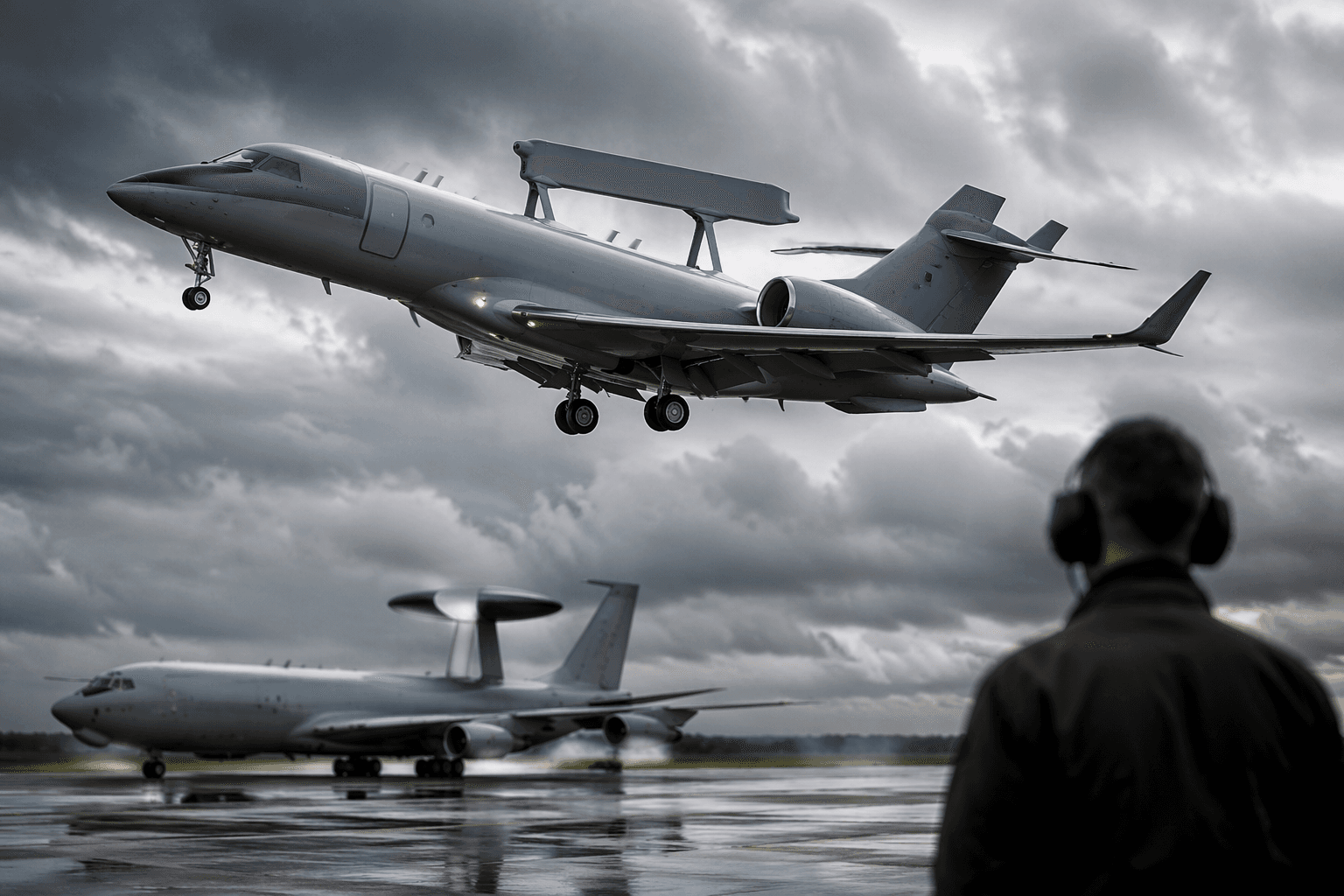
The F-15E was shot down by Iranian forces on Friday, April 3, and a second U.S. aircraft, an A-10 Warthog, went down near the Strait of Hormuz while supporting the rescue operation. The Warthog's pilot safely ejected over Kuwait. The F-15E's pilot was located and recovered shortly after the initial crash. The second crew member, a weapons systems officer, remained unaccounted for as Iranian provincial authorities offered roughly $66,000 to any citizen who could capture him alive and Iranian tribesmen reportedly fired on U.S. search helicopters.
The breakthrough came when the CIA pinpointed the officer's precise location in the mountains of Iran and shared coordinates with the Pentagon and the White House. Trump ordered an immediate extraction. The Islamic Revolutionary Guard Corps had already dispatched forces to intercept the airman, and the U.S. Air Force conducted strikes against those IRGC units to prevent them from closing in. Trump and senior members of his national security team watched the operation unfold from the Situation Room.
On Truth Social, Trump confirmed the officer, a colonel, had been pulled out: "This brave warrior was behind enemy lines in the treacherous mountains of Iran, being hunted down by our enemies, who were getting closer and closer by the hour." Trump called it "one of the most daring search and rescue operations in U.S. History" and said the colonel "sustained injuries but will be just fine."
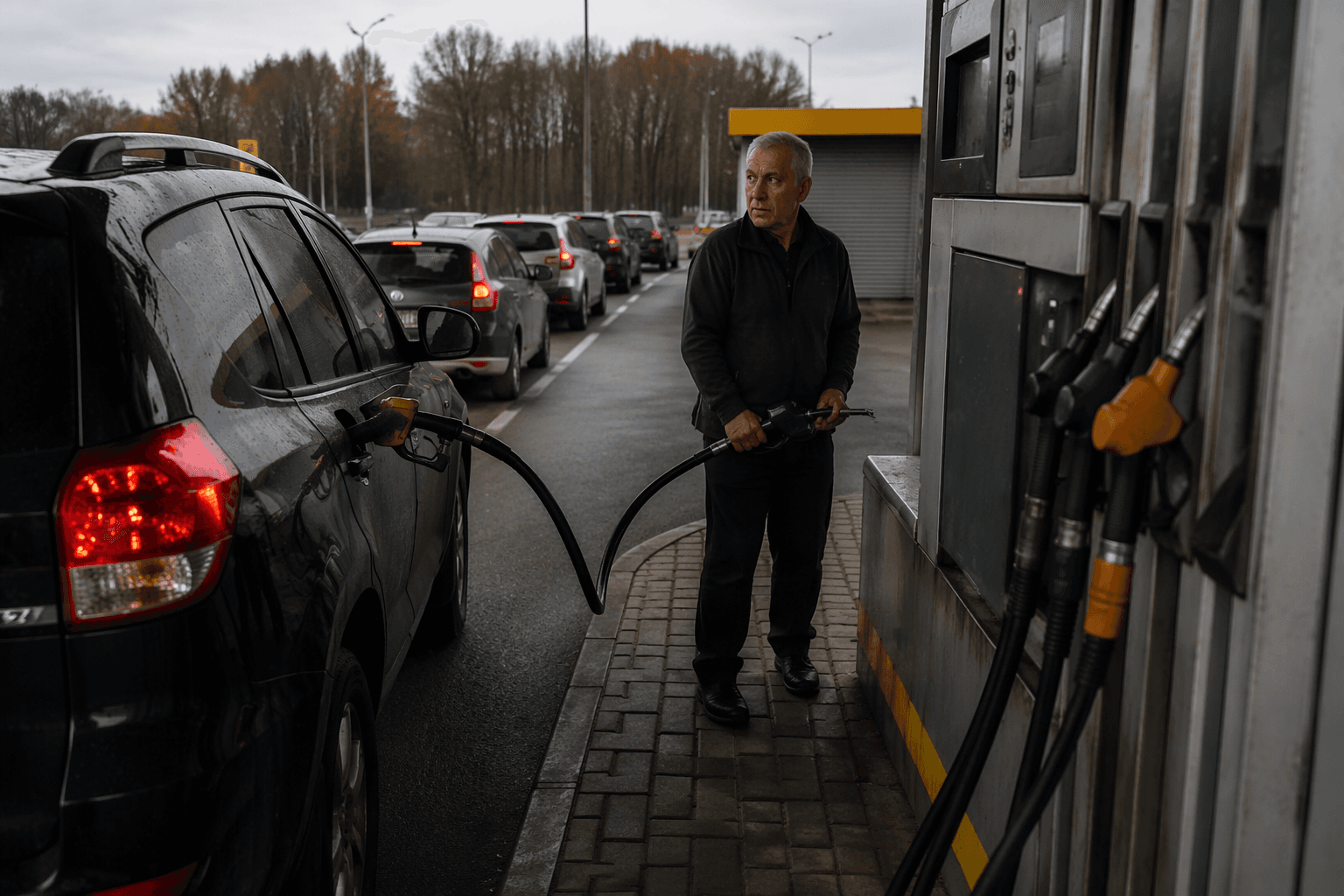
The rescue unfolded against a backdrop of intensifying pressure over the Strait of Hormuz, the narrow waterway through which roughly 20 percent of the world's daily oil supply passes. The IRGC formally closed the strait on March 27 to vessels bound to or from ports of the U.S., Israel, and their allies, triggering an energy crisis that pushed average U.S. gas prices to $4.10 per gallon. The U.S. and allied nations responded by releasing 400 million barrels of oil from strategic reserves, the largest such release on record.
Trump announced the 48-hour deadline Saturday, re-upping a 10-day demand he had first issued on March 26. A warning on March 30 threatened to destroy Iran's energy plants if no deal was reached by April 6. Iran responded by offering to allow vessels carrying "essential goods" through the strait but stopped short of providing any specific terms, a formulation that left significant uncertainty about whether traffic could meaningfully resume.
Oman's Foreign Minister Badr al-Busaidi, who had served as a mediator in pre-war U.S.-Iran nuclear talks, said Saturday that "off-ramps are available" and called for an immediate ceasefire, though he offered no details on what those channels look like now. With the clock effectively expiring by Monday and Iran showing no signs of capitulation, the question is whether any intermediary can move fast enough to prevent threatened strikes on Iranian energy infrastructure from becoming the next escalation point in a conflict that has already killed 13 Americans.
This article was produced by Prism’s automated news system from verified source data, official records, and press releases, then run through automated quality and moderation checks before publishing. The system is built and supervised by the people who set the standards it runs under. Read our full AI policy.
Did this article answer your question?