Iran Rejects Trump Demands as Strait of Hormuz Crisis Rattles Markets
Iran refused new U.S.-backed talks after a ship seizure, sending Brent near $98.58 and sharpening fears of wider conflict in the Strait of Hormuz.
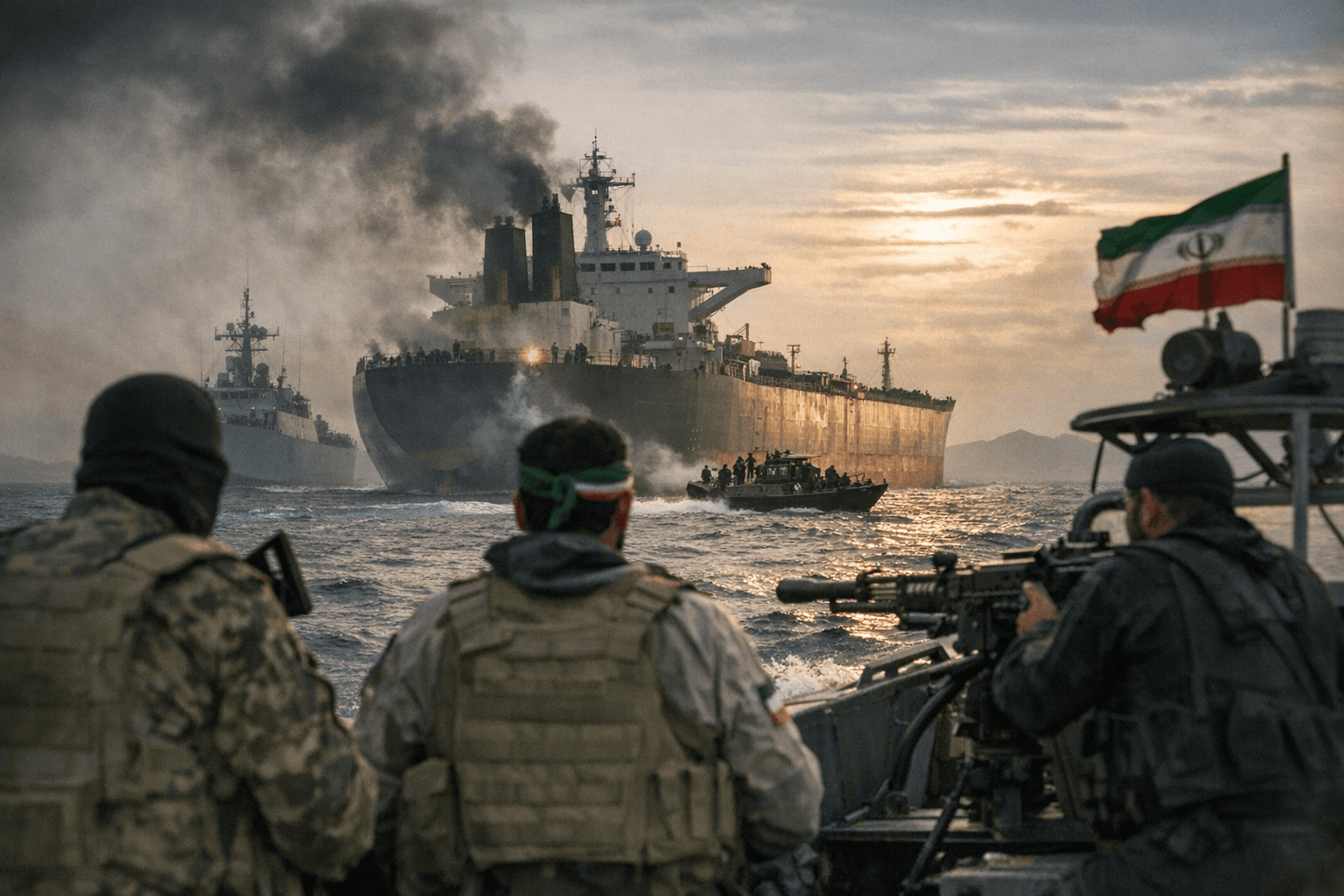
Iran’s refusal to attend new peace talks in Pakistan has turned a fragile ceasefire into a wider market shock, with traders already driving oil higher and watching the Strait of Hormuz for the next escalation. The standoff intensified after the United States seized an Iranian commercial ship in the Gulf of Oman, and Tehran said it saw no reason to join another round of negotiations while Washington kept up what Iranian officials described as “excessive demands” and a naval blockade.
The diplomatic channel had already strained under a 21-hour session in Islamabad on April 11, led by Vice President JD Vance and joined by special envoy Steve Witkoff and Jared Kushner. Those talks ended without agreement. Uranium enrichment and control of the Strait of Hormuz were among the issues on the table, and Vance said Washington wanted an affirmative commitment that Iran would not seek a nuclear weapon. On April 20, Iran said there were no plans to attend the next round of talks, deepening fears that diplomacy was collapsing just as the temporary ceasefire was nearing its scheduled Wednesday expiration.
Markets reacted quickly because the stakes run through one of the world’s most important energy chokepoints. The Strait of Hormuz typically carries about 20% of global oil and liquefied natural gas flows, and Brent crude climbed nearly 4% to $98.58 a barrel in mid-April while West Texas Intermediate rose more than 2% to $93.47. U.S. crude inventories also fell by 913,000 barrels in the week cited, defying expectations for an increase and signaling how the disruption was already affecting supply.
The waterway itself became part of the pressure campaign. Iranian state media said the Strait of Hormuz had been closed again after first being declared open on April 17, and Iran’s Revolutionary Guard navy said passage would remain under strict control until the U.S. blockade was lifted. UK Maritime Trade Operations said three tankers were fired on by Iran, adding to the sense that the maritime front could widen even if formal negotiations stall. Mohammad Bagher Ghalibaf has reiterated Tehran’s intention to restrict shipping traffic through the strait.
The fallout is reaching far beyond the Gulf. Australian Treasurer Jim Chalmers said the economy was “in lots of ways hostage” to decisions made in Washington and Tehran, a warning that captures the broader risk for U.S. households as well, from higher fuel prices to more volatile markets if the ceasefire breaks down completely.
This article was produced by Prism’s automated news system from verified source data, official records, and press releases, then run through automated quality and moderation checks before publishing. The system is built and supervised by the people who set the standards it runs under. Read our full AI policy.
Did this article answer your question?


