Iran Rejects Trump Peace Talks as White House Scrambles for Offramp
Iran rejected Trump’s peace push as talks collapsed in Islamabad, exposing a White House scrambling for leverage while tensions in the Strait of Hormuz threatened wider fallout.
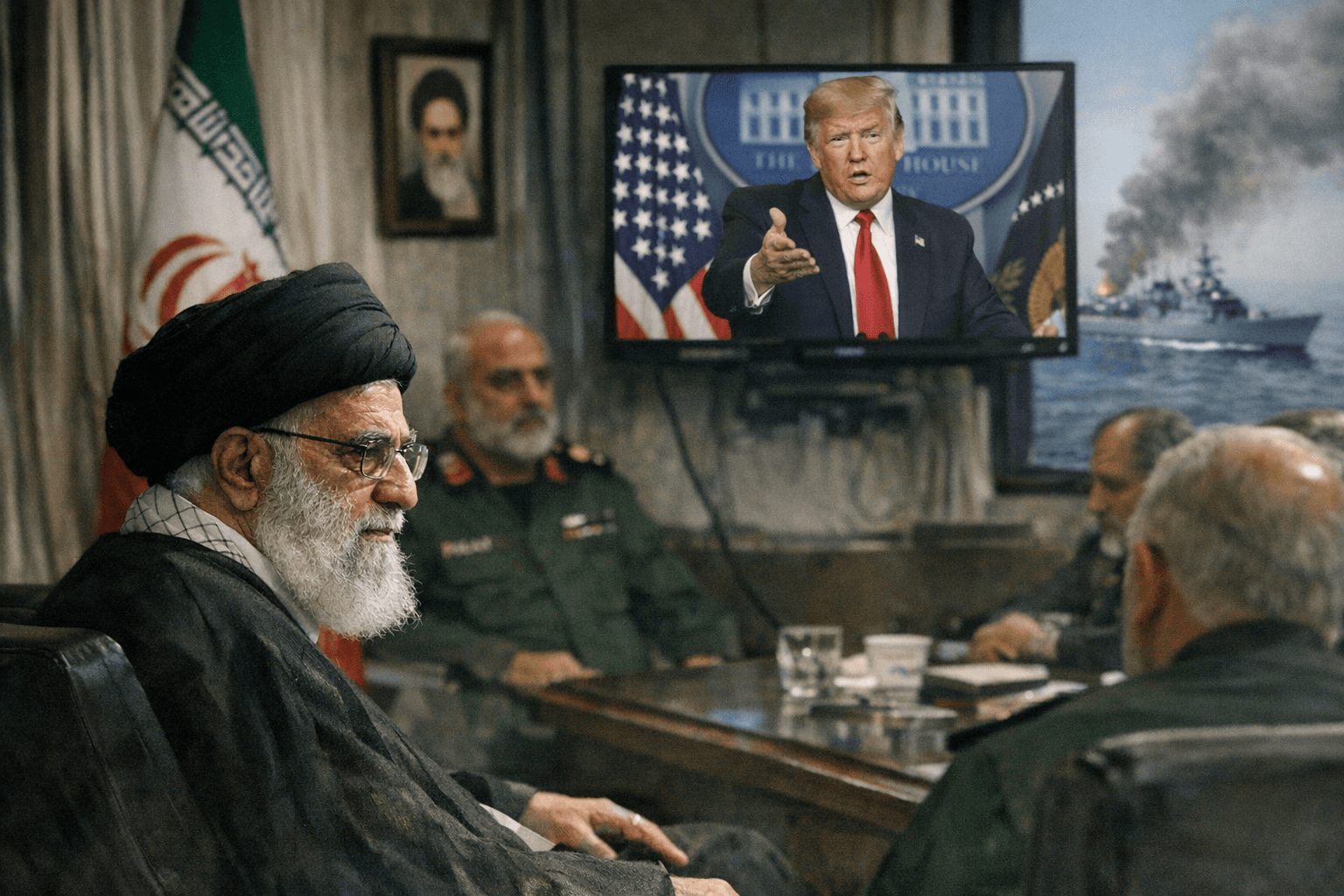
Donald Trump’s Iran diplomacy ran into a public rebuke that cut against his own image of dealmaking. Peace talks collapsed in Islamabad while Trump was photographed smiling at a UFC event in Miami, a split-screen moment that left the White House looking upbeat in public and adrift in policy.
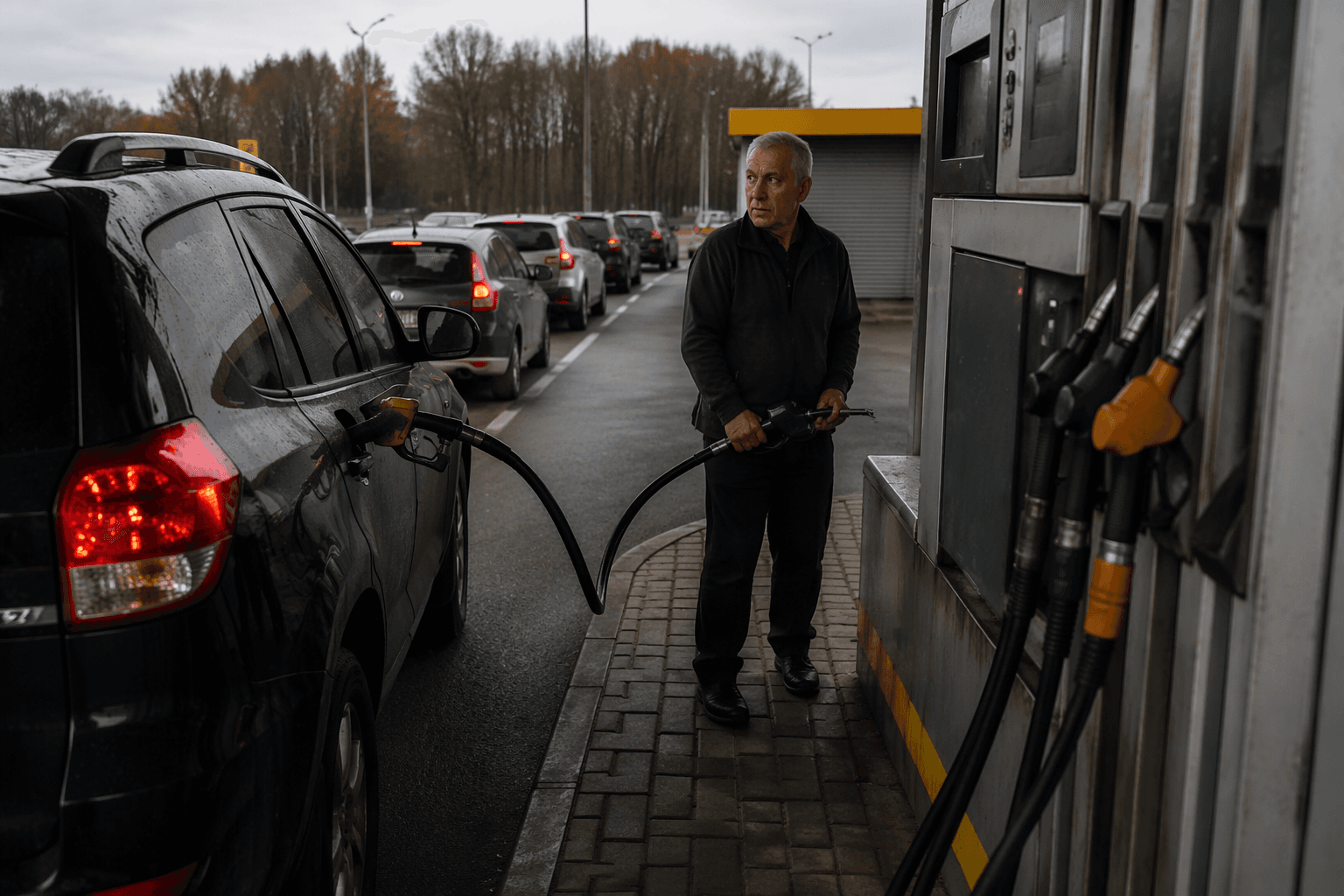
By April 13, the administration was scrambling for a diplomatic offramp as ships continued transiting the Strait of Hormuz during a U.S. blockade. That chokepoint matters far beyond the Gulf: any disruption there can ripple through global oil markets, pushing up costs for consumers and adding pressure on families already strained by energy prices.
The urgency grew when reporting on April 17 said Trump was weighing a de facto $20 billion payment to Iran as part of a possible deal. The idea stood out because Trump spent years attacking Barack Obama’s sanctions relief and the 2015 nuclear agreement, the Joint Comprehensive Plan of Action, which was designed to curb Iran’s nuclear program in exchange for easing economic penalties.
Trump’s current bind is rooted in his own decision to withdraw the United States from that accord in 2018. Since then, Tehran has treated U.S. promises with deep suspicion. In 2021, Iranian Foreign Minister Mohammad Javad Zarif warned that American reentry into the nuclear deal needed to happen quickly, underscoring how narrow the window for repair had become even before the latest collapse.
The White House’s problem is not only that Iran rejected the talks. It is that the rejection highlighted the limits of Trump’s personal-brand foreign policy, which has repeatedly advertised breakthroughs that did not last. His North Korea diplomacy produced no durable settlement, and his earlier efforts to deliver a Middle East peace plan also failed to hold. With the Strait of Hormuz now at the center of the standoff, the stakes extend well beyond Trump’s political standing. A failed outreach effort can weaken America’s negotiating position, unsettle energy markets, and leave regional stability hostage to the gap between presidential messaging and diplomatic reality.
This article was produced by Prism’s automated news system from verified source data, official records, and press releases, then run through automated quality and moderation checks before publishing. The system is built and supervised by the people who set the standards it runs under. Read our full AI policy.
Did this article answer your question?