Iran Rejects US Peace Proposal, Demands Five Conditions Before Any Deal
Iran called Trump's 15-point peace plan "excessive" and fired cruise missiles at the USS Abraham Lincoln as it issued five conditions for ending the war.

Iran has rejected a U.S.-backed 15-point ceasefire proposal, according to its state-run English-language broadcaster Press TV, which cited an anonymous official on Wednesday. The rejection, delivered as fighting continues across the region, was paired with Tehran's own five-point counterproposal that the White House is likely to find deeply unpalatable.
President Donald Trump announced "major combat operations" against Iran on Feb. 28, with massive joint U.S.-Israeli strikes targeting military and government sites. Ayatollah Ali Khamenei was among those killed in Tehran on the first day of strikes, with his son Mojtaba Khamenei later chosen to succeed him. Iran has responded with missile and drone attacks targeting Israel, regional U.S. bases and multiple Gulf nations, and is also attempting to block some shipping traffic through the Strait of Hormuz.
The United States sent Iran a 15-point plan to end the war, according to two regional sources and a U.S. official; the proposal was delivered to Iranian officials through Pakistan. Two Pakistani officials described the proposal broadly, saying it addressed sanctions relief, a rollback of Iran's nuclear programme, limits on its missiles, and the reopening of the Strait of Hormuz, through which a fifth of the world's oil and liquefied natural gas supplies are shipped.
Tehran was having none of it. A high-ranking diplomatic source confirmed that Iran received the 15-point plan but described the U.S. proposal as "extremely maximalist and unreasonable." Iran's state television broadcaster Press TV quoted an anonymous official stating Iran had rejected the ceasefire proposal, with the official declaring: "Iran will end the war when it decides to do so and when its own conditions are met."
The official offered Iran's own five-point plan: a halt to killings of its officials, the means to ensure no other war is waged against it, reparations for the war, the end of hostilities, and Iran's "exercise of sovereignty over the Strait of Hormuz." The New York Times reported additional demands from the same Iranian sources, including an end to U.S. and Israeli attacks against Hezbollah in Lebanon and pro-Iranian militias in Iraq. Iran also signaled it would negotiate over its nuclear enrichment program but not its missile program, and that it planned to charge tolls on ships passing through the Strait of Hormuz before any peace deal was secured.
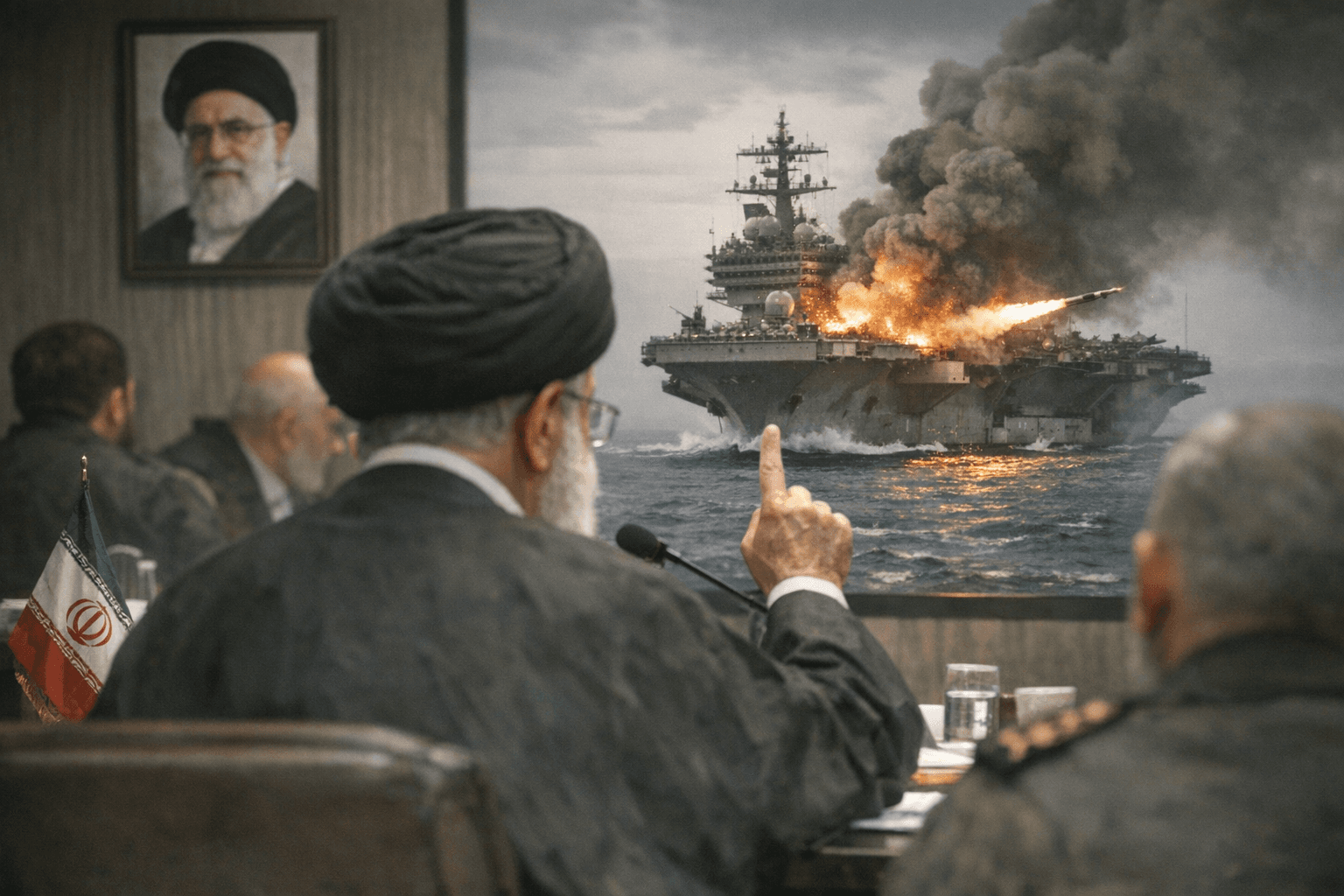
Iran's military underlined the rejection with a new offensive action. Iran's army claimed Wednesday that it targeted the USS Abraham Lincoln aircraft carrier with coastal cruise missiles, according to state media. According to IRNA, the commander of the Iranian Navy, Rear Admiral Shahram Irani, said the movements of the "enemy" aircraft carrier Abraham Lincoln are under continuous monitoring and would be targeted once it enters the range of Iran's missile systems. There was no immediate confirmation from U.S. Central Command, which in the past has used social media to refute Iranian claims regarding strikes on U.S. naval assets. Trump had previously revealed that American naval forces intercepted large-scale missile attacks on the Abraham Lincoln, stating Iran fired 101 missiles at the carrier but that "every single one was knocked down on the sea."
The diplomatic picture remained deliberately murky on Iran's side. Iranian Foreign Minister Abbas Araghchi said Iran had no intention to hold talks with the United States, but acknowledged that an exchange of messages between the two countries via mediators "does not mean negotiations with the U.S." Iranian parliament speaker Mohammad Qalibaf told state media flatly that "no talks with the U.S. have taken place," calling reports to the contrary fake news. Yet a day earlier, the New York Times reported that Iranian officials had signaled they would consider meeting U.S. negotiators in Islamabad, Pakistan, over the coming week to discuss the 15-point plan, though they ruled out talks about any temporary ceasefire.
White House press secretary Karoline Leavitt claimed negotiations remain "productive" after Iranian state media reported that Tehran had rejected Trump's plan. The U.S. offer includes many elements Tehran has repeatedly opposed, and rejecting it outright could increase the risk of a major escalation, including the possibility Trump will revive his threat to destroy Iranian power plants.
On the military posture side, Trump has also approved the deployment of more than 1,000 soldiers from the 82nd Airborne Division to the Middle East. Iran's reparations demand and continued chokehold on the Strait of Hormuz will likely be unacceptable to the White House as energy supplies worldwide remain affected by the war. The Strait's status as a chokepoint for roughly a fifth of global oil flows means that Iran's insistence on sovereignty there is not merely a diplomatic demand; it is the central economic pressure point of the entire conflict.
This article was produced by Prism’s automated news system from verified source data, official records, and press releases, then run through automated quality and moderation checks before publishing. The system is built and supervised by the people who set the standards it runs under. Read our full AI policy.
Did this article answer your question?