Iran reportedly agrees to reopen nuclear inspections in Switzerland talks
Vance said Iran will let U.N. inspectors back in, but Tehran called the talks only a brief discussion, making verification the real test.
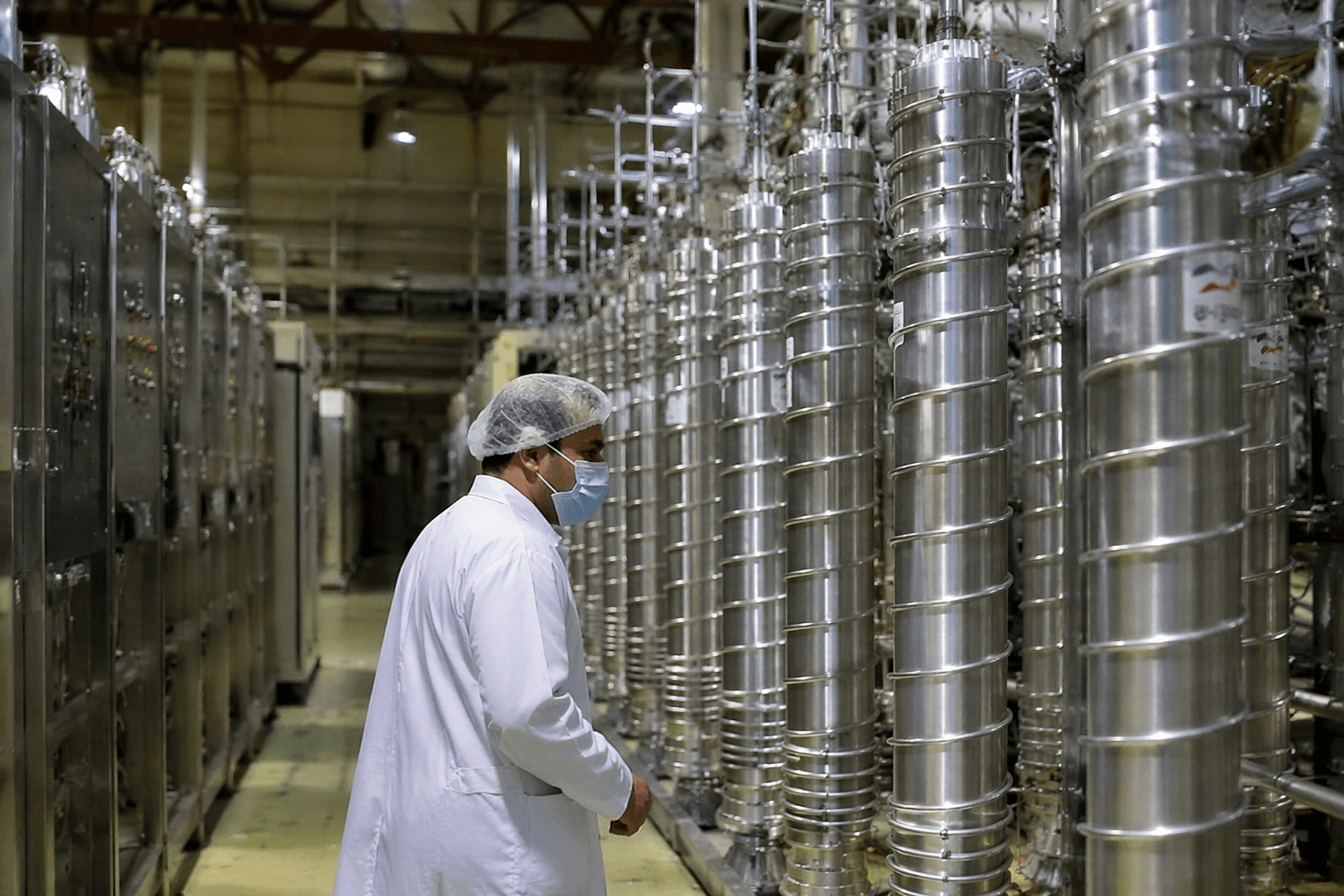
The first test of the Switzerland talks is not whether JD Vance declared victory, but whether Iran actually opens its nuclear sites to outside eyes. Vance said Iran had agreed to invite International Atomic Energy Agency inspectors back into the country and said the round laid a "very good foundation" for a final deal, calling the day "very, very good." Iran offered a sharply different account, saying it held only a "brief discussion" on its nuclear program and that negotiations on the nuclear question had not begun.
The first round ended early Monday in Switzerland, with mediators saying technical discussions would follow. That sequencing matters because the inspections fight is the difference between a political framework and something that can be checked on the ground. If inspectors return, the next phase can begin to move from broad promises to verification, access and stockpile accounting. If they do not, the talks risk repeating earlier U.S.-Iran openings that generated headlines but stalled before the hard details were settled.
The stakes are heightened by the International Atomic Energy Agency's own pressure campaign. On June 10, 2026, the IAEA Board of Governors adopted a U.S.-backed resolution by 21 votes to 3, with 10 abstentions, demanding that Iran declare its remaining enriched uranium stocks and allow inspectors to verify them. The resolution, backed by the United States, Britain, France and Germany, underscored how central the verification question has become to any deal.
A week earlier, in a June 4 report, the IAEA said it still could not verify Iran's nuclear stockpile after months of limited access. That gap is the core obstacle in the talks. Iran's reported willingness to let inspectors return would be significant because the last such visits were before the war, and without them neither Washington nor the agency can independently check what Iran has produced, stored or moved.
The talks in Switzerland also unfolded against broader war-ending diplomacy, with mediators pressing both sides to keep technical channels open. For now, the gap between Vance's optimism and Tehran's denial shows how fragile the process remains. The next round will be judged not by language about foundations, but by whether Iran lets inspectors in and lets them verify what is inside.
This article was produced by Prism’s automated news system from verified source data, official records, and press releases, then run through automated quality and moderation checks before publishing. The system is built and supervised by the people who set the standards it runs under. Read our full AI policy.
Did this article answer your question?


