Iran responds to U.S. war proposal, seeks ceasefire and Gulf security
Tehran sent its reply through Pakistan, pressing for a ceasefire and Gulf shipping security while leaving Iran's nuclear program and Hormuz control unresolved.
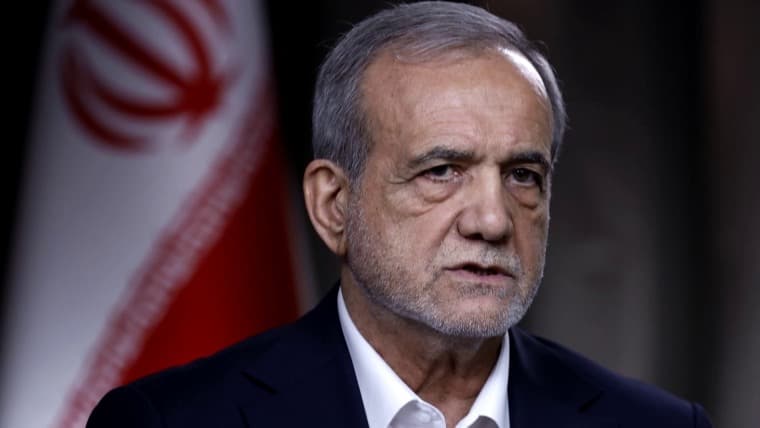
Tehran has answered the latest U.S. war proposal by putting a ceasefire and maritime security first, signaling that Iran wants relief from open conflict but is not yet conceding on the issues that would define any enforceable settlement. Iranian state media said the response was delivered through Pakistan and centered on ending the war, securing the Persian Gulf and the Strait of Hormuz, and stopping the fighting in Lebanon.
That reply matters because it narrows the political opening without resolving the hardest questions. Iran had been reviewing a U.S. proposal that would have aimed to formally end the war, but the core disputes remained unchanged: Iran's nuclear program and the future of the Strait of Hormuz. Mohammad Baqer Qalibaf's parliament and other hard-line voices had already treated the American text with suspicion, with one lawmaker dismissing it as more of an American wish list than a realistic framework.
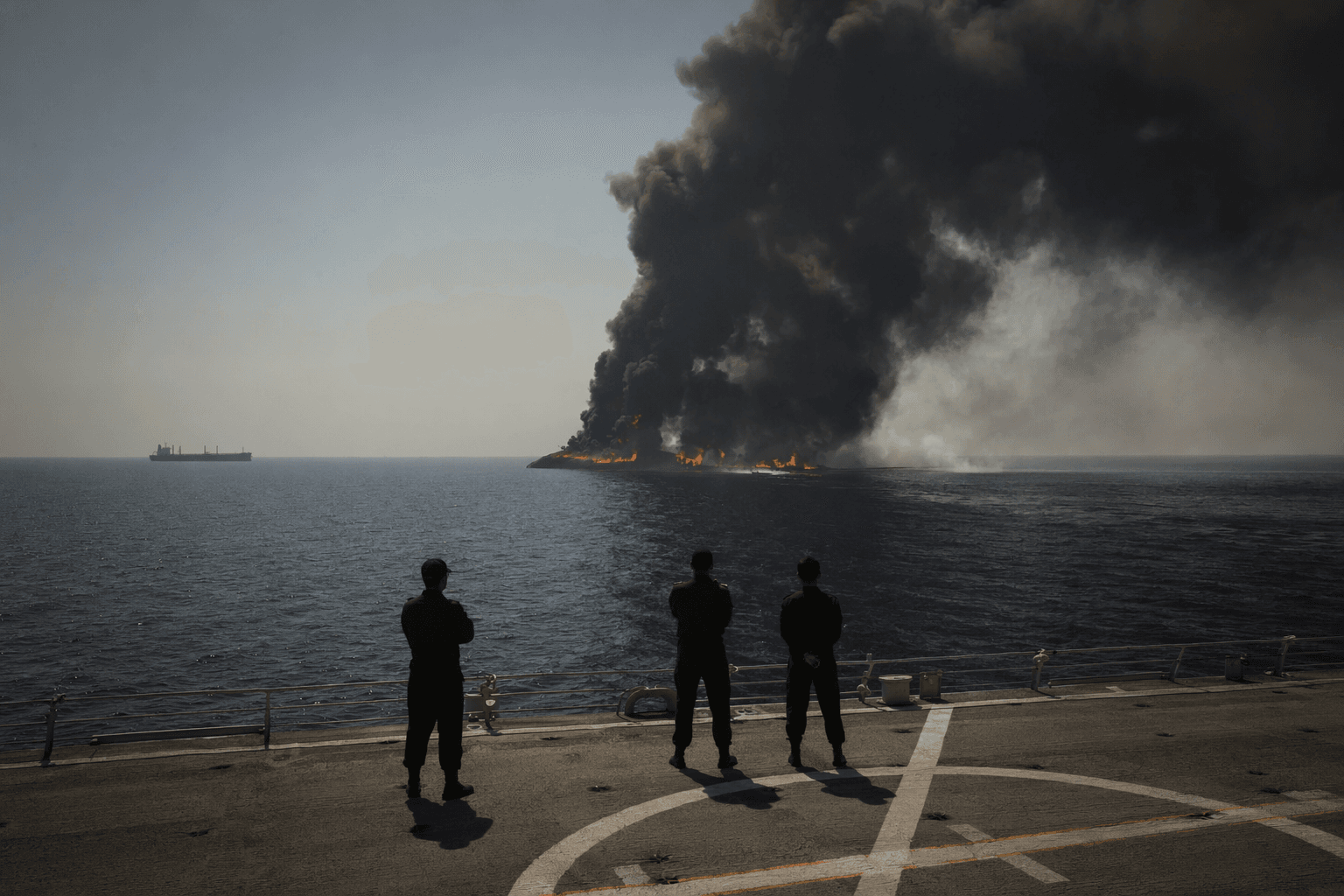
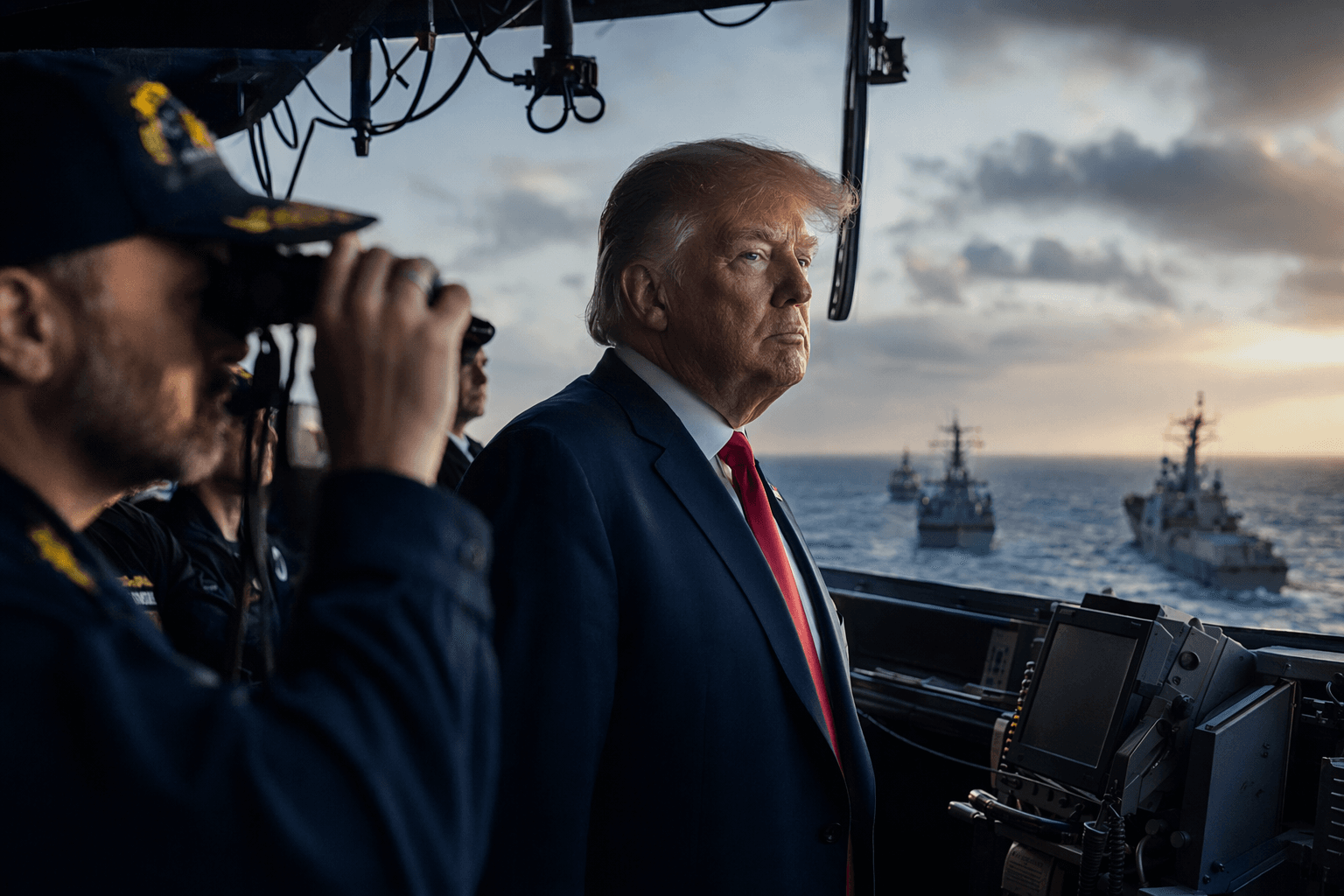
The diplomatic exchange comes after a week of sharply mixed signals from Washington. Donald Trump said talks over the previous 24 hours had been very good and that a deal was possible, while also warning that the United States could resume bombing if Iran rejected the proposal. That combination of pressure and conditional flexibility suggests Washington is still trying to force a bargain, not simply pause the conflict. The war itself began on February 28, 2026, and has repeatedly widened the stakes beyond the battlefield into Gulf shipping and regional deterrence.
The Strait of Hormuz remains the central red line. Before the war, the narrow waterway carried one-fifth of the world's oil and gas supply, making any threat to reopen or close it a global energy issue, not just a regional one. Reports that a deal might be coming had already pushed Brent crude down to around $98 a barrel before it climbed back above $100, a reminder that even speculation about a breakthrough can move markets.
For now, Iran is signaling that it wants the shooting to stop and the Gulf to stay open, but without surrendering leverage over its nuclear program or maritime posture. The IRGC has warned that any attack on Iranian oil tankers or commercial ships would be answered by strikes on U.S. bases and enemy ships in the region, while Qatar's prime minister has warned that using the Strait of Hormuz as a pressure tool would deepen the crisis. The response through Pakistan may buy time, but it has not yet produced the kind of binding terms that would turn a war proposal into a durable settlement.
Know something we missed? Have a correction or additional information?
Submit a Tip