Iran says it ended strikes on Israel, warns over Lebanon
Iran said it stopped strikes on Israel, but tied any restraint to Lebanon, where fresh Israeli attacks could bring a harsher response.

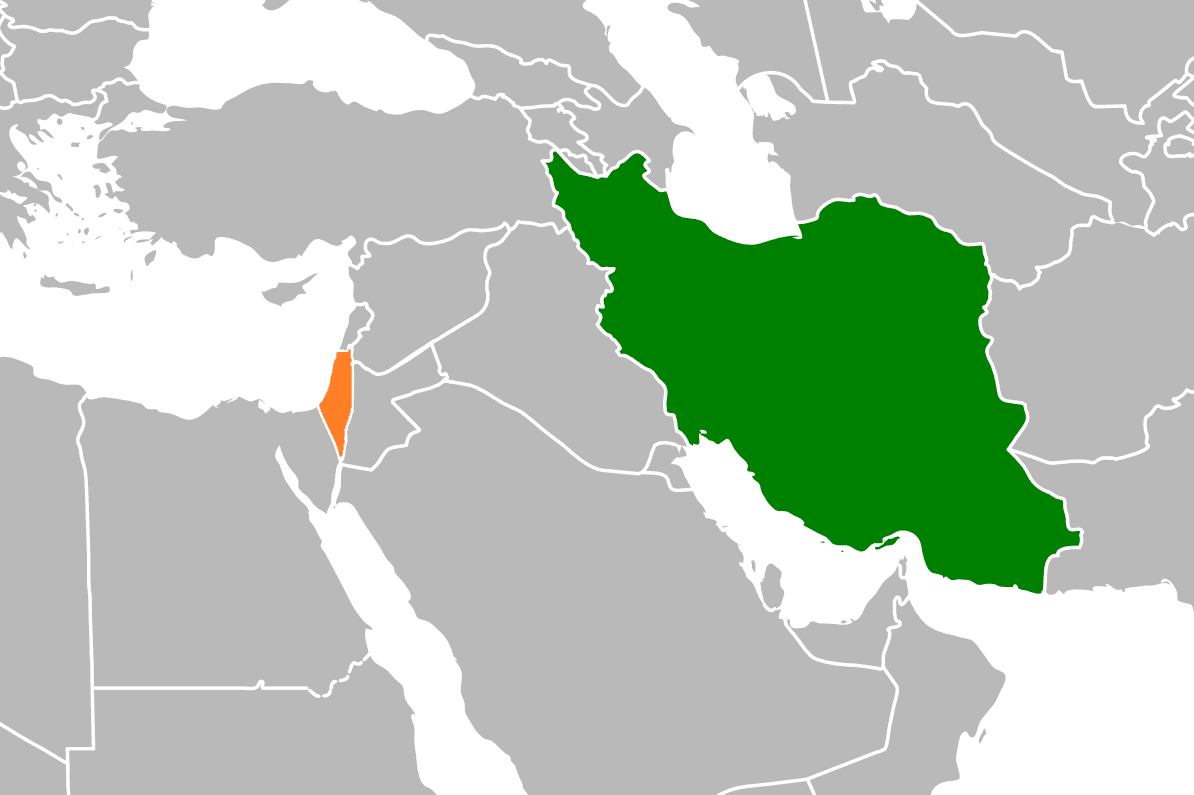
Iran said it had halted strikes on Israel after launching ballistic missiles on June 7, but the pause was conditional, not final. Tehran warned that if the Israel Defense Forces continued operations in Lebanon, it would resume hostilities, putting Lebanon at the center of a confrontation that has now pushed the fragile April ceasefire to the edge.
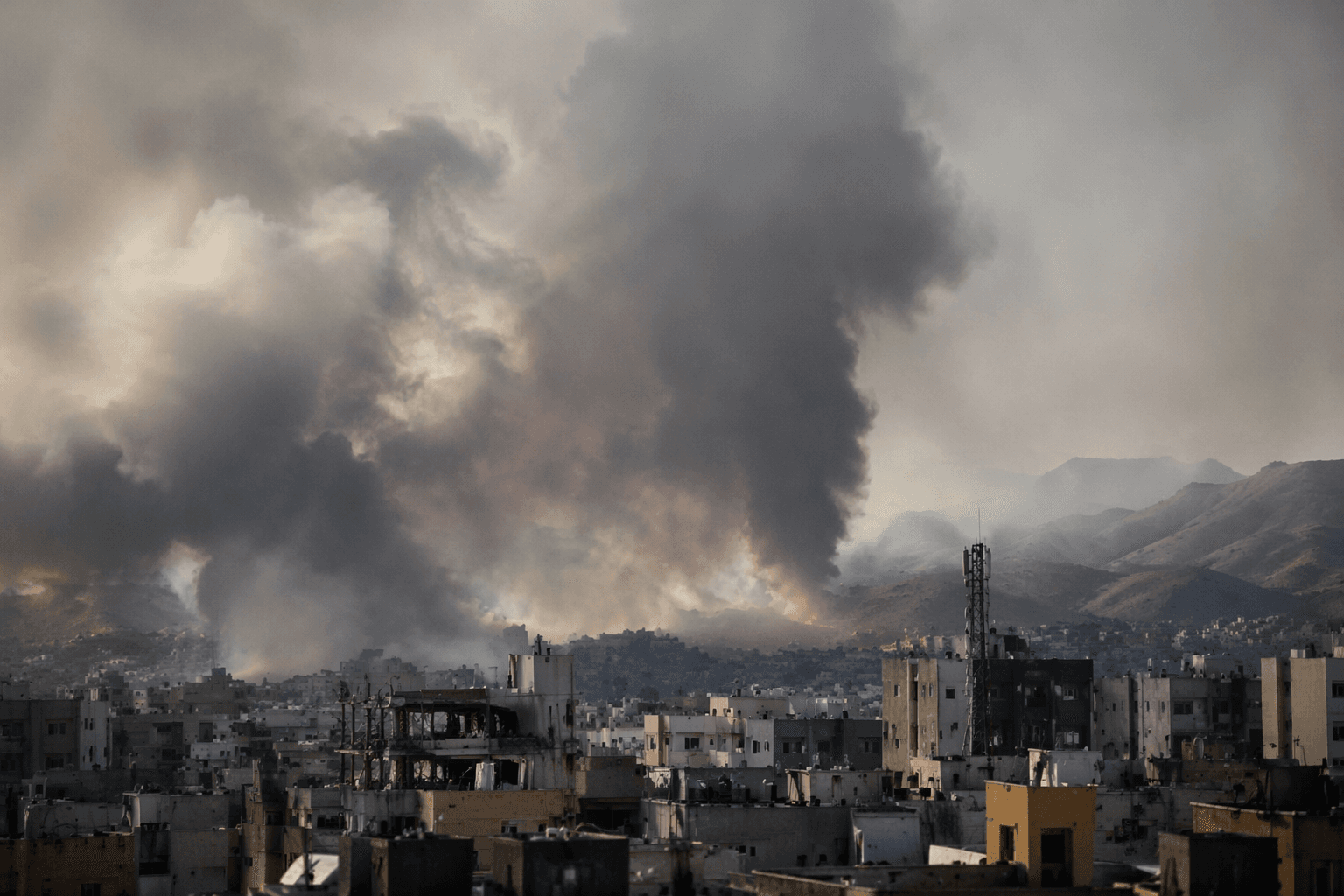
Iran’s military said it had delivered a “painful response” before announcing a cessation of operations. The wording mattered: officials described the move as an end to the current strike wave, not a peace deal or a broader political breakthrough. That distinction leaves the confrontation highly vulnerable to renewed attacks, especially because the latest round was tied directly to Israeli strikes in Lebanon, including on Beirut and its southern suburbs.
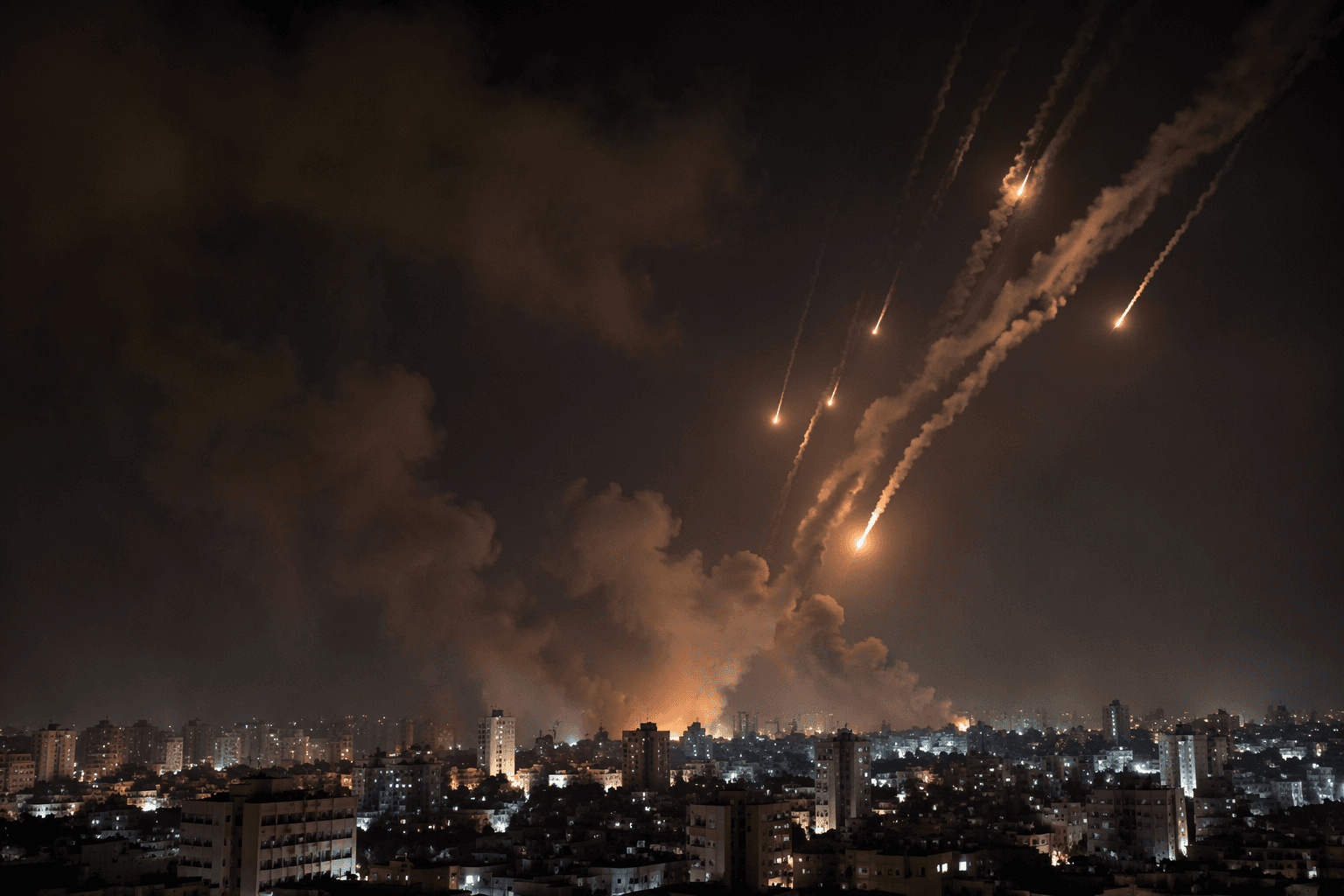
The exchange marked the first Iranian missile attack on Israel since the April ceasefire, and it came after months of uneasy restraint collapsed into direct fire. Israel responded on June 8 with airstrikes on military targets in central and western Iran, deepening the risk of a wider regional war. Live coverage described the violence as the biggest direct escalation since the ceasefire took effect, with the Lebanon front now the most likely place for the conflict to spread further.
The warning from Tehran focused squarely on Hezbollah, the Iran-backed militant group that Israel says it is targeting in Lebanon. That makes cross-border moves in Lebanon more important than the ceasefire rhetoric itself. If Israeli strikes there intensify, Iran has signaled it could answer again, turning Lebanon into the trigger for another round of direct attacks between Iran and Israel.
President Donald Trump urged both sides to “immediately stop” the attacks, and reports said he pressed Israeli Prime Minister Benjamin Netanyahu not to retaliate further. Even so, the battlefield logic remains unchanged: Israel is still striking targets it links to Hezbollah, Iran is tying its response to the Lebanon campaign, and the truce that briefly lowered the temperature in April now looks increasingly fragile. The next move in Lebanon could decide whether the latest pause lasts or the region slides back into open escalation.
This article was produced by Prism’s automated news system from verified source data, official records, and press releases, then run through automated quality and moderation checks before publishing. The system is built and supervised by the people who set the standards it runs under. Read our full AI policy.
Know something we missed? Have a correction or additional information?
Submit a Tip