Iran says it is closing Strait of Hormuz again as ships pass through
Iran renewed its threat to close the Strait of Hormuz even as 55 merchant ships moved through, carrying more than 17 million barrels of oil.
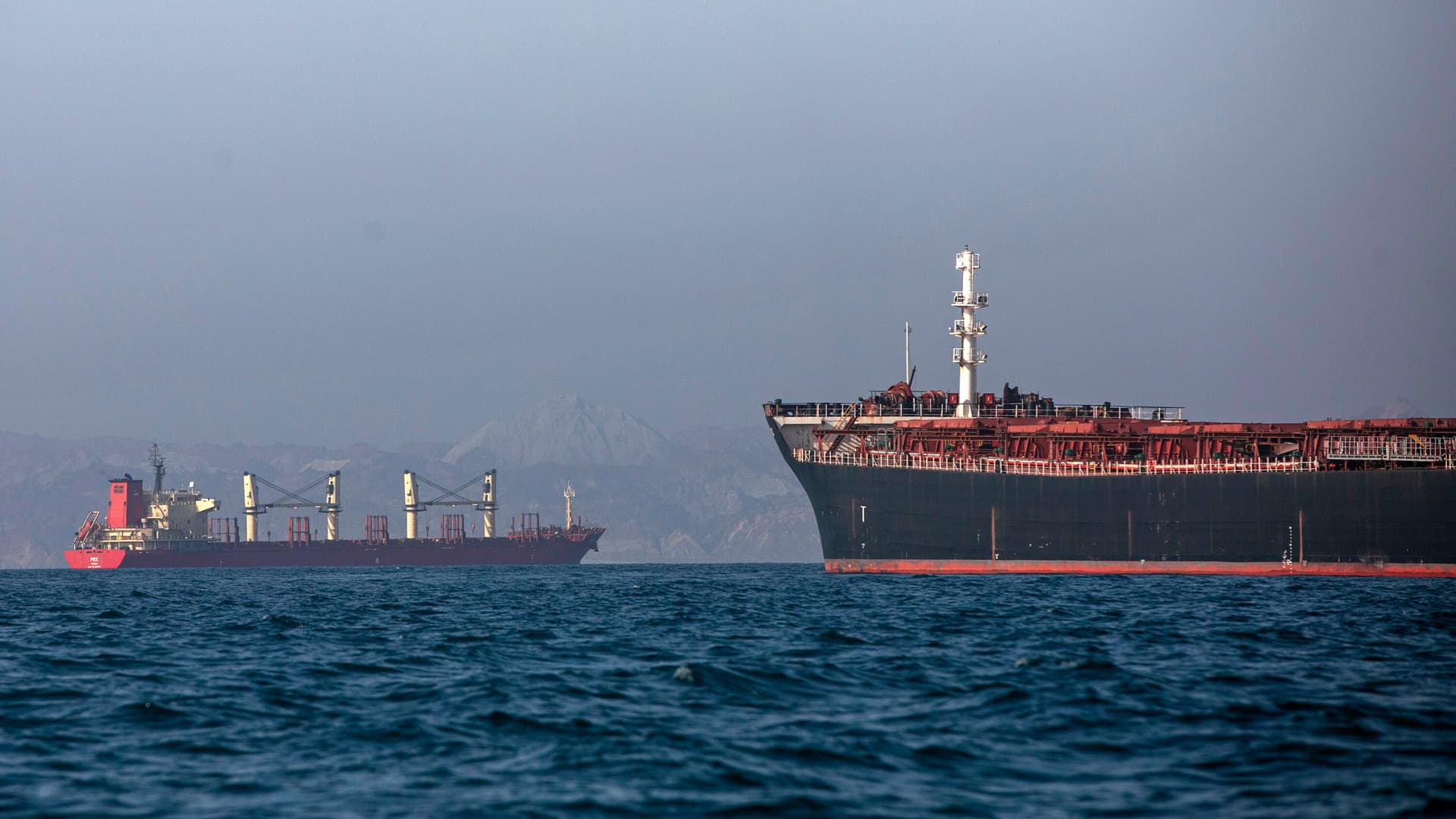
A fresh threat to close the Strait of Hormuz sent a new risk premium through the world’s most important oil chokepoint, where even a short disruption can lift crude prices, raise shipping insurance costs and force tankers onto longer routes that ultimately reach consumers. The warning landed while 55 merchant ships were still transiting the strait and moving more than 17 million barrels of oil to global markets, underscoring the gap between military claims and the flow of trade.
U.S. Central Command said commercial ship traffic through the strait increased on June 20 and that safe passage remained intact. CENTCOM said U.S. forces remained present and vigilant in the area to support freedom of navigation, signaling that American military pressure was still in place even as traders and insurers assessed the chance of wider disruption.

Iran’s Islamic Revolutionary Guard Corps, through its Khatam al-Anbiya Central Headquarters, said it was closing the waterway again. Tehran tied the move to Israeli strikes in Lebanon and what it described as a U.S. failure to uphold commitments in a fragile ceasefire agreement. The announcement raised immediate concern because the Strait of Hormuz is a vital conduit for global oil and gas supplies, and any sustained threat there can reverberate far beyond the Middle East.
The market backdrop made the warning more sensitive. Maritime tracking firms said traffic through the strait had risen to its busiest level in two months just before Iran’s latest claim, a sign that shipping had been flowing despite the political escalation. If the threat were to become a real closure, the immediate effect would likely be higher freight premiums and more expensive tankers, with refiners, airlines and drivers feeling the pressure later through fuel and transport costs.
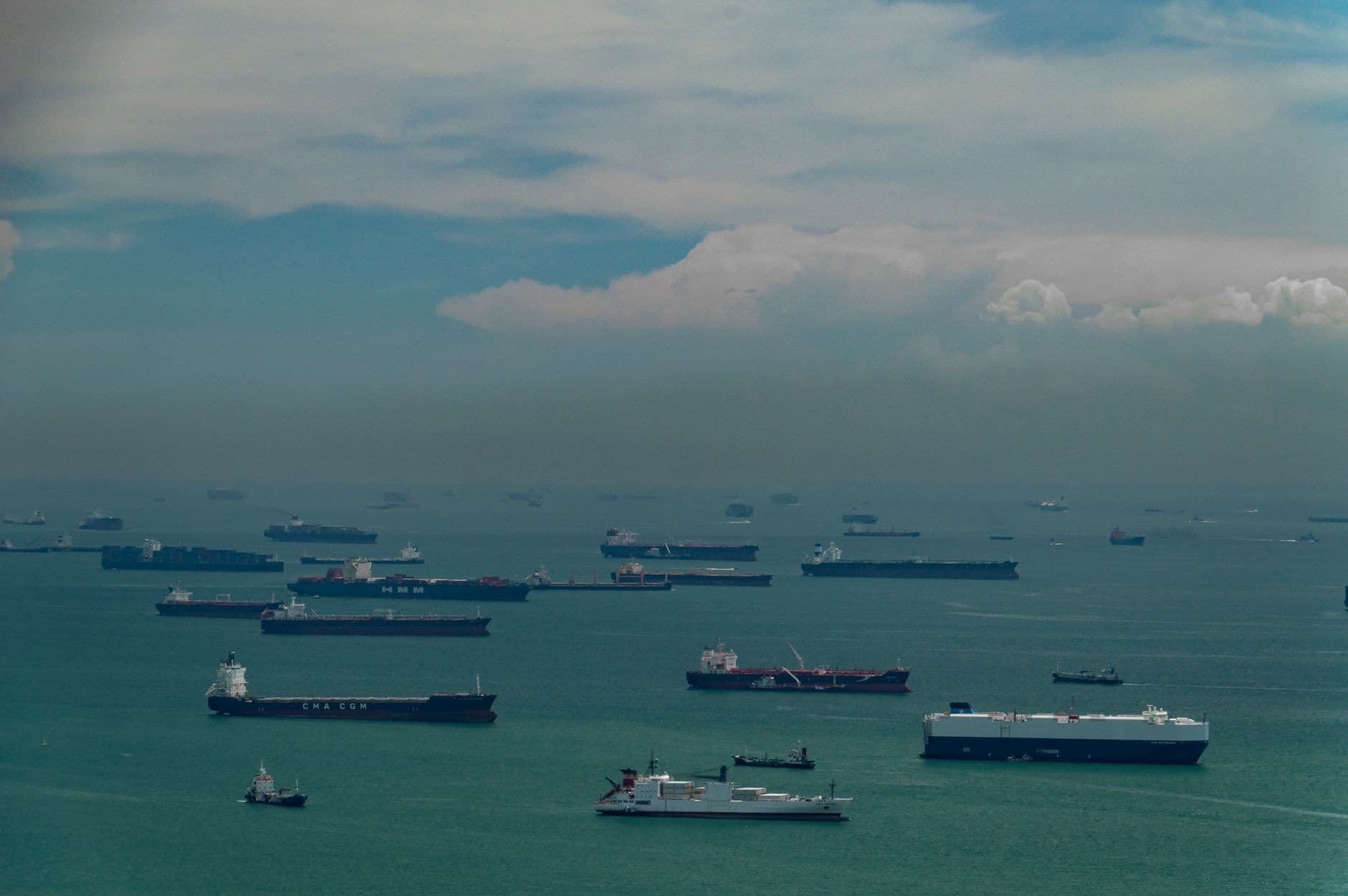
The dispute unfolded as U.S. and Iranian negotiators headed to Switzerland for follow-on talks. Iranian state media said the delegation included Mohammad Baqer Qalibaf and Foreign Minister Abbas Araqchi, alongside senior security, central bank and oil officials. JD Vance said he expected to travel there within days and said he had seen no evidence the strait had actually been shut.

The latest standoff sits inside a fragile U.S.-Iran understanding brokered by Pakistan and signed on Wednesday by Donald Trump and Masoud Pezeshkian to end their nearly four-month war. For now, ships are still moving, but the latest closure threat has put the market on alert for any sign that the world’s narrowest and most consequential oil route could be turned into a lever of diplomacy and coercion.
This article was produced by Prism’s automated news system from verified source data, official records, and press releases, then run through automated quality and moderation checks before publishing. The system is built and supervised by the people who set the standards it runs under. Read our full AI policy.
Did this article answer your question?


