Iran Says Progress Made in US Talks, But Deal Still Far Away
Tehran and Washington said talks moved forward, but no next round is set and the nuclear gap still blocks any deal.
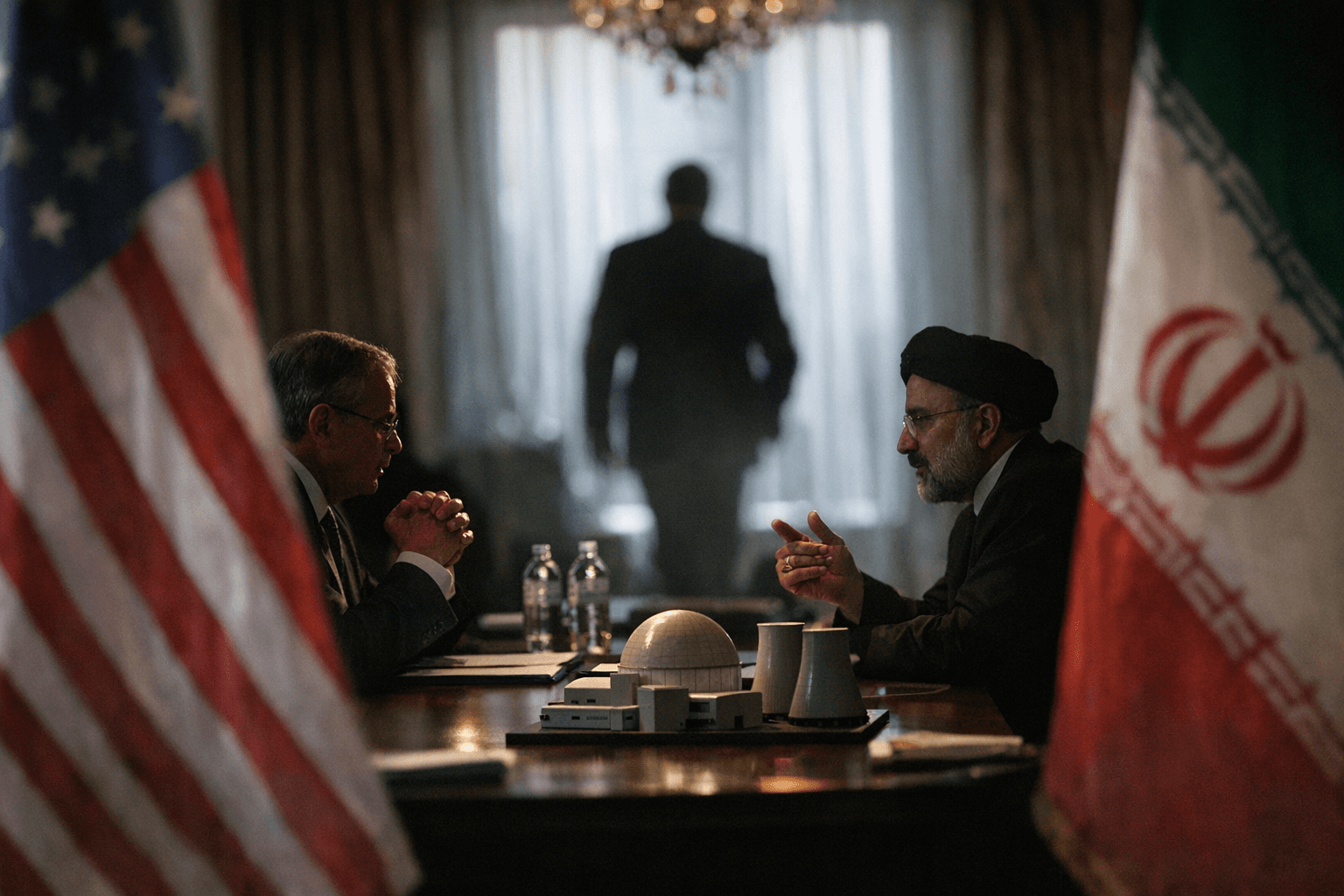
Iran said its talks with the United States had made progress, but the diplomacy was still far from a breakthrough. Iran’s deputy foreign minister said no date had been set for the next round of negotiations and that a framework of understanding had to be agreed first, underscoring how little is settled even as both sides try to keep the channel open.
The gap is now narrower in ambition but still wide in substance. U.S. and Iranian negotiators have scaled back from seeking a comprehensive peace deal and are instead trying to draft a temporary memorandum meant to prevent a return to conflict. That shift reflects the pressure of the central dispute: according to Iranian sources cited by Reuters, Washington has proposed a 20-year suspension of Iranian nuclear activity, while Tehran has countered with a pause of three to five years. A Western diplomat said the nuclear file remained the core obstacle.
The pace of diplomacy is also part of the problem. Reuters reported that if a memorandum is reached, the two sides would then have 60 days to negotiate a final deal with experts and the International Atomic Energy Agency involved. That timeline would still leave open the most politically sensitive issues, including enrichment, verification, and what happens to Iran’s stockpile of enriched uranium. On April 17, Donald Trump said the United States would work with Iran to recover that enriched uranium and bring it back to the United States, while rejecting claims of a $20 billion cash-for-uranium arrangement.
The stalled talks matter well beyond the negotiating table. Reuters said efforts were under way to arrange more discussions in Pakistan after the last high-level round in Islamabad lasted about 21 hours and ended without agreement, and AP said back channels were being used after Washington’s blockade of Iranian shipping. That leaves the nuclear standoff tied to broader security risks in the region, including the Strait of Hormuz, where Tehran has been reasserting leverage. Any delay also keeps pressure on energy markets, which remain vulnerable to disruptions in one of the world’s most important oil chokepoints.
History suggests no quick finish. Reuters noted that the 2015 nuclear agreement, which curtailed Iran’s nuclear work in exchange for sanctions relief, took almost two years to negotiate. Even if an interim memorandum emerges, the hardest decisions still lie ahead.
This article was produced by Prism’s automated news system from verified source data, official records, and press releases, then run through automated quality and moderation checks before publishing. The system is built and supervised by the people who set the standards it runs under. Read our full AI policy.
Did this article answer your question?